وصف المنتج
Production Process
| 1, Raw material: | use ESR ingot. ESR need to melt twice, secondary refining process.Non metallic inclusions in steel are absorbed by slag. |
| 2, Heat | Natural gas heating furnaces are monitored and controlled by computer programs to ensure precise heating within set time and temperature range as required. |
| 3, Forging | Calculate the appropriate forging ratio based on the shape to avoid material waste. Select appropriate equipment for forging. Make the product undergo complete forging and pressing. |
| 4, Normalized: | can improve the toughness of steel |
| 5, Aligning | For shaft, roller, round bar |
| 6, Pre-machining | Remove surface oxide scale and inspect for defects. More conducive to complete immersion during tempering. |
| 7, Make UT | Qualified technicians shall conduct ultrasonic testing operations. Ensure that the product is 100% inspected and qualified. Magnetic particle testing and penetration testing can also be performed. |
| 8, Heat treatment: | Quenching&Tempering, to meet mechanical performance requirements.We will manufacture samples and continuously adjust the CZPT temperature to meet the required performance requirements. Ensure 100% success data is obtained before mass production. |
| 9,Mechanical performance inspection and twice UP inspection | Hardness,Tensile strength,Yield Strength,Percentage elongation,Impact |
| 10,Precision machining, to achieve dimenssion on drawings. | We will pay attention to the tolerance requirements for each dimension. Surface smoothness requirements. The depth and type of drilling. Geometric tolerances, parallelism, perpendicularity, runout tolerances, concentricity, etc. |
| 11,Packing and delivery. | We will choose packaging methods that can protect the product and are suitable for sea transportation. With a complete supply chain, products can be transported to your factory by sea or rail. |
The materials we can forging
| Stainless Steel: | SS201,SS301, SS303, SS304, SS316, SS316L,SS416 ,AISI 440C,17-4PH etc. |
| Steel/Alloy: | mild steel, Carbon steel, 4140, 4340,65Mn,60Si2Mn, Q235, Q345B, 1571steel, 1045steel,A106,A105, A570-50,CR-MO4130,Astm A487 grade 9A, 52100 Bearing steel ,S45c, Sm490A, AVP/S235JRG2,DD14, 1.0037 ,etc, ASTM 1197-47, 25CRMO4V,SCM435, 11SMNPB30,1. 0571 ,.A36 |
| Brass: | HPb63, HPb62, HPb61, HPb59, H59, H62, H68, H80 ,Bronze 660, C93200,Bronze CDA873 or 956,CDA873,C95600,MAILEABLE IRON ASTM A47-77, etc. |
| Copper: | C11000,C12000,C12000 C36000,C100 etc. |
| الألومنيوم: | AL1100,AL6061, Al6063-T6, AL6082, AL7075, AL5052, A380 etc. |
| Titanium: | CP Ti,Ti-6Al-4V, Ti-6Al-4V Eli,Ti-3Al-2.5V,Ti-5Al-2.5Sn, Ti-5Al-2.5Sn Eli,Ti-0.05Pd, Ti-0.2Pd, Ti-6Al-7Nb,Ti-13Nb-13Zr,Ti-0.1Ru,Ti-3Al-8V-6Cr-4Mo-4Zr,Ti-6Al-4V-0.1Ru,Etc. |
| The Surface Treatment: | Zinc plating, Chrome plating, Nickel plating, Tin plating, Polishing, Anodizing, Power-coating, Dacromet, Oxide black, Sandblast Anodizing, Electroless nickel, Fe/Zn8/C PER ISO 2081, etc. |
Production capacity
| Design: | We use the most advanced mould design software Auto CAD, Pro/E, Solidworks, UG (dwg, dxf, IGS, STP, X-T) |
| Manufacture: | We use advanced technology, unmatched skill, professional and advanced equipment size range from 10kg -10T, and experienced technicians to fit our customers requirements, like tooling manufacturing,forging CNC machining, Assembling and surface treatment service |
| Process and Capability: | Cnc machining, Threading, Welding, Tapping, Riveting, Grinding, Laser cutting,Metal Fabrication,forming,spinning, CNC Punching, Plasma cutting, Goffered, Stretch forming ,Tig/Mig Welding,Assembling, Shearing, Blanking, CNC Bending………… |
| Price Terms: | Fob HangZhou or ZheJiang or any other port in CHINA. EXW, CIF, DDP, DDU. We have a mature supply chain and can provide door-to-door services. |
| Lead time: | 20-50days based on the different products |
| التغليف: | Wooden package and canton case or as per customers’ requirement |
| شهادة: | ISO9001:2018 , SGS , TS16949,API 8C |
| Industry: | these parts are used in hydraulic presses, press line automation and die handling equipment,Automotive, Electrical, Building, Furniture, Machine assembly, Computer, Air industry , Oil field Equipments, Marine equipments, Mine equipment,Agricultural Machines,Transportation Equipments, OEM/ODM Electronics…… |
/* 22 يناير 2571 19:08:37 */!function(){function s(e,r){var a,o={};try{e&&e.split(“,").forEach(function(e,t){e&&(a=e.match(/(.*?):(.*)$/))&&1
| Processing Object: | معدن |
|---|---|
| Molding Style: | التشكيل |
| Molding Technics: | Pressure Casting |
| طلب: | Machinery Parts |
| مادة: | فُولاَذ |
| Heat Treatment: | Quenching |
| أمثلة: |
US$ قطعة واحدة
قطعة واحدة (الحد الأدنى للطلب) | |
|---|
| التخصيص: |
متاح
| طلب مخصص |
|---|
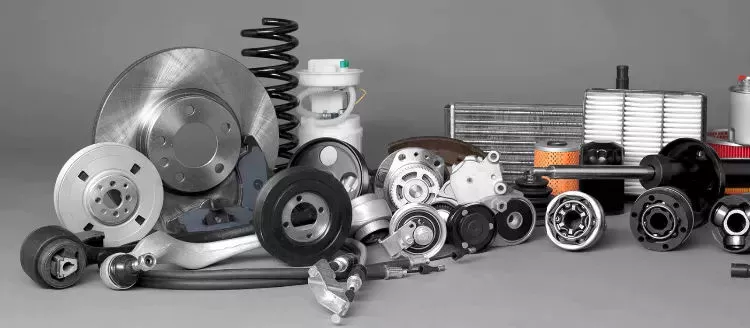
Can drive shafts be adapted for use in both automotive and industrial settings?
Yes, drive shafts can be adapted for use in both automotive and industrial settings. While there may be some differences in design and specifications based on the specific application requirements, the fundamental principles and functions of drive shafts remain applicable in both contexts. Here’s a detailed explanation:
1. Power Transmission:
Drive shafts serve the primary purpose of transmitting rotational power from a power source, such as an engine or motor, to driven components, which can be wheels, machinery, or other mechanical systems. This fundamental function applies to both automotive and industrial settings. Whether it’s delivering power to the wheels of a vehicle or transferring torque to industrial machinery, the basic principle of power transmission remains the same for drive shafts in both contexts.
2. اعتبارات التصميم:
While there may be variations in design based on specific applications, the core design considerations for drive shafts are similar in both automotive and industrial settings. Factors such as torque requirements, operating speeds, length, and material selection are taken into account in both cases. Automotive drive shafts are typically designed to accommodate the dynamic nature of vehicle operation, including variations in speed, angles, and suspension movement. Industrial drive shafts, on the other hand, may be designed for specific machinery and equipment, taking into consideration factors such as load capacity, operating conditions, and alignment requirements. However, the underlying principles of ensuring proper dimensions, strength, and balance are essential in both automotive and industrial drive shaft designs.
3. Material Selection:
The material selection for drive shafts is influenced by the specific requirements of the application, whether in automotive or industrial settings. In automotive applications, drive shafts are commonly made from materials such as steel or aluminum alloys, chosen for their strength, durability, and ability to withstand varying operating conditions. In industrial settings, drive shafts may be made from a broader range of materials, including steel, stainless steel, or even specialized alloys, depending on factors such as load capacity, corrosion resistance, or temperature tolerance. The material selection is tailored to meet the specific needs of the application while ensuring efficient power transfer and durability.
4. Joint Configurations:
Both automotive and industrial drive shafts may incorporate various joint configurations to accommodate the specific requirements of the application. Universal joints (U-joints) are commonly used in both contexts to allow for angular movement and compensate for misalignment between the drive shaft and driven components. Constant velocity (CV) joints are also utilized, particularly in automotive drive shafts, to maintain a constant velocity of rotation and accommodate varying operating angles. These joint configurations are adapted and optimized based on the specific needs of automotive or industrial applications.
5. Maintenance and Service:
While maintenance practices may vary between automotive and industrial settings, the importance of regular inspection, lubrication, and balancing remains crucial in both cases. Both automotive and industrial drive shafts benefit from periodic maintenance to ensure optimal performance, identify potential issues, and prolong the lifespan of the drive shafts. Lubrication of joints, inspection for wear or damage, and balancing procedures are common maintenance tasks for drive shafts in both automotive and industrial applications.
6. Customization and Adaptation:
Drive shafts can be customized and adapted to meet the specific requirements of various automotive and industrial applications. Manufacturers often offer drive shafts with different lengths, diameters, and joint configurations to accommodate a wide range of vehicles or machinery. This flexibility allows for the adaptation of drive shafts to suit the specific torque, speed, and dimensional requirements of different applications, whether in automotive or industrial settings.
In summary, drive shafts can be adapted for use in both automotive and industrial settings by considering the specific requirements of each application. While there may be variations in design, materials, joint configurations, and maintenance practices, the fundamental principles of power transmission, design considerations, and customization options remain applicable in both contexts. Drive shafts play a crucial role in both automotive and industrial applications, enabling efficient power transfer and reliable operation in a wide range of mechanical systems.

كيف تُحسّن أعمدة نقل الحركة أداء السيارات والشاحنات؟
تلعب أعمدة نقل الحركة دورًا هامًا في تحسين أداء السيارات والشاحنات. فهي تُسهم في جوانب متعددة من أداء المركبة، بما في ذلك نقل الطاقة، والجر، والتحكم، والكفاءة العامة. إليكم شرحًا مفصلًا لكيفية تحسين أعمدة نقل الحركة لأداء السيارات والشاحنات:
1. توصيل الطاقة: Drive shafts are responsible for transmitting power from the engine to the wheels, enabling the vehicle to move forward. By efficiently transferring power without significant losses, drive shafts ensure that the engine’s power is effectively utilized, resulting in improved acceleration and overall performance. Well-designed drive shafts with minimal power loss contribute to the vehicle’s ability to deliver power to the wheels efficiently.
2. نقل عزم الدوران: تُسهّل أعمدة نقل الحركة نقل عزم الدوران من المحرك إلى العجلات. عزم الدوران هو القوة الدورانية التي تدفع المركبة للأمام. تضمن أعمدة نقل الحركة عالية الجودة ذات قدرات تحويل عزم الدوران المناسبة نقل عزم الدوران الناتج عن المحرك بكفاءة إلى العجلات. يُحسّن هذا من قدرة المركبة على التسارع السريع، وسحب الأحمال الثقيلة، وصعود المنحدرات الحادة، مما يُحسّن الأداء العام.
3. الجر والثبات: تساهم أعمدة نقل الحركة في قوة الجر وثبات السيارات والشاحنات. فهي تنقل الطاقة إلى العجلات، مما يسمح لها بدفع الطريق. وهذا بدوره يمكّن المركبة من الحفاظ على تماسكها، خاصةً أثناء التسارع أو عند القيادة على الطرق الزلقة أو غير المستوية. كما أن كفاءة نقل الطاقة عبر أعمدة نقل الحركة تعزز ثبات المركبة من خلال ضمان توزيع متوازن للطاقة على جميع العجلات، مما يحسن التحكم بها وثباتها.
4. المناورة والتحكم: تؤثر أعمدة نقل الحركة على تحكم المركبات وقدرتها على المناورة. فهي تُسهم في إنشاء اتصال مباشر بين المحرك والعجلات، مما يسمح بتحكم دقيق واستجابة سريعة. وتُسهم أعمدة نقل الحركة المصممة جيدًا، والتي تتميز بأقل قدر من التذبذب أو الارتداد، في استجابة فورية ومباشرة لتوجيهات السائق، مما يُحسّن من رشاقة المركبة وقدرتها على المناورة.
5. إنقاص الوزن: تساهم أعمدة نقل الحركة في تقليل وزن السيارات والشاحنات. فالأعمدة خفيفة الوزن المصنوعة من مواد مثل الألومنيوم أو المواد المركبة المقواة بألياف الكربون تُقلل الوزن الإجمالي للمركبة. ويُحسّن هذا الوزن المُخفّض نسبة القوة إلى الوزن، مما يُؤدي إلى تحسين التسارع والتحكم وكفاءة استهلاك الوقود. إضافةً إلى ذلك، تُقلل أعمدة نقل الحركة خفيفة الوزن الكتلة الدورانية، مما يسمح للمحرك بالوصول إلى دورات أعلى بسرعة أكبر، وبالتالي تعزيز الأداء.
6. الكفاءة الميكانيكية: تُقلل أعمدة نقل الحركة عالية الكفاءة من فقد الطاقة أثناء نقل الحركة. فمن خلال دمج خصائص مثل المحامل عالية الجودة، وأختام الاحتكاك المنخفض، والتشحيم الأمثل، تُقلل أعمدة نقل الحركة الاحتكاك وتُقلل فقد الطاقة الناتج عن المقاومة الداخلية. وهذا يُحسّن الكفاءة الميكانيكية لنظام نقل الحركة، مما يسمح بوصول المزيد من الطاقة إلى العجلات ويُحسّن أداء السيارة بشكل عام.
7. تحسينات الأداء: Drive shaft upgrades can be popular performance enhancements for enthusiasts. Upgraded drive shafts, such as those made from stronger materials or with enhanced torque capacity, can handle higher power outputs from modified engines. These upgrades allow for increased performance, such as improved acceleration, higher top speeds, and better overall driving dynamics.
8. التوافق مع تعديلات الأداء: تتطلب تعديلات الأداء، مثل ترقية المحرك أو زيادة القدرة أو تغيير نظام نقل الحركة، أعمدة نقل حركة متوافقة. تضمن أعمدة نقل الحركة المصممة لتحمل عزم دوران أعلى أو للتكيف مع تكوينات نظام نقل الحركة المعدلة، الأداء الأمثل والموثوقية العالية. فهي تُمكّن المركبة من استغلال القدرة وعزم الدوران المتزايدين بكفاءة، مما يُحسّن الأداء والاستجابة.
9. المتانة والموثوقية: تساهم أعمدة نقل الحركة المتينة والمُصانة جيدًا في متانة وموثوقية السيارات والشاحنات. فهي مصممة لتحمل الضغوط والأحمال المرتبطة بنقل الطاقة. وتساعد المواد عالية الجودة والتوازن المناسب والصيانة الدورية على ضمان تشغيل أعمدة نقل الحركة بسلاسة، مما يقلل من مخاطر الأعطال أو مشاكل الأداء. كما تُحسّن أعمدة نقل الحركة الموثوقة الأداء العام من خلال توفير توصيل طاقة ثابت وتقليل وقت التوقف.
10. التوافق مع التقنيات المتقدمة: تتطور أعمدة نقل الحركة بالتوازي مع التطورات في تقنيات المركبات. ويجري دمجها بشكل متزايد مع أنظمة متطورة مثل أنظمة توليد الطاقة الهجينة، والمحركات الكهربائية، وأنظمة الكبح المتجدد. وتساهم أعمدة نقل الحركة المصممة للعمل بسلاسة مع هذه التقنيات في تعزيز كفاءتها وأدائها، مما يُحسّن الأداء العام للمركبة.
In summary, drive shafts enhance the performance of automobiles and trucks by optimizing power delivery, facilitating torque transfer, improving traction and stability, enhancing handling and maneuverability, reducing weight, increasing mechanical efficiency, enabling compatibility with performance upgrades and advanced technologies, and ensuring durability and reliability. They play a crucial role in ensuring efficient power transmission, responsive acceleration, precise handling, and overall improved performance of vehicles.
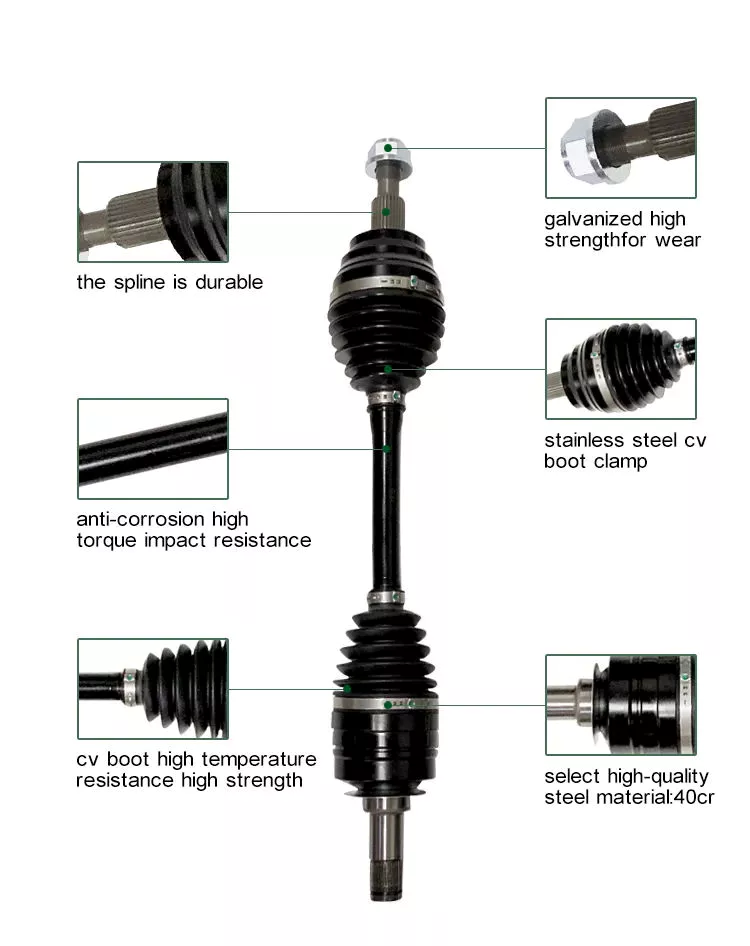
هل يمكنك شرح الأنواع المختلفة لأعمدة نقل الحركة وتطبيقاتها المحددة؟
تتوفر أعمدة نقل الحركة بأنواع مختلفة، كل منها مصمم ليناسب تطبيقات ومتطلبات محددة. يعتمد اختيار عمود نقل الحركة على عوامل مثل نوع المركبة أو المعدات، واحتياجات نقل الطاقة، ومحدودية المساحة، وظروف التشغيل. إليك شرح لأنواع أعمدة نقل الحركة المختلفة وتطبيقاتها المحددة:
1. عمود صلب:
العمود الصلب، المعروف أيضًا باسم عمود الدوران الموحد أو عمود الدوران المصنوع من الفولاذ الصلب، هو عمود واحد متصل يمتد من المحرك أو مصدر الطاقة إلى المكونات المُدارة. يتميز بتصميمه البسيط والمتين، ويُستخدم في العديد من التطبيقات. يشيع استخدام الأعمدة الصلبة في المركبات ذات الدفع الخلفي، حيث تنقل الطاقة من ناقل الحركة إلى المحور الخلفي. كما تُستخدم أيضًا في الآلات الصناعية، مثل المضخات والمولدات والناقلات، حيث يكون نقل الطاقة بشكل مستقيم وصلب ضروريًا.
2. عمود أنبوبي:
الأعمدة الأنبوبية، أو الأعمدة المجوفة، هي أعمدة نقل حركة ذات بنية أسطوانية تشبه الأنبوب. تتميز بنواة مجوفة، وعادةً ما تكون أخف وزنًا من الأعمدة المصمتة. توفر الأعمدة الأنبوبية مزايا عديدة، منها انخفاض الوزن، وزيادة الصلابة الالتوائية، وتحسين امتصاص الاهتزازات. وتُستخدم في مختلف أنواع المركبات، بما في ذلك السيارات والشاحنات والدراجات النارية، بالإضافة إلى المعدات والآلات الصناعية. وتُستخدم أعمدة نقل الحركة الأنبوبية بشكل شائع في المركبات ذات الدفع الأمامي، حيث تربط ناقل الحركة بالعجلات الأمامية.
3. عمود السرعة الثابتة (CV):
صُممت أعمدة السرعة الثابتة (CV) خصيصًا للتعامل مع الحركة الزاوية والحفاظ على سرعة ثابتة بين المحرك/ناقل الحركة والمكونات المُدارة. وهي مزودة بمفاصل CV في كلا الطرفين، مما يسمح بالمرونة والتعويض عن تغيرات الزاوية. تُستخدم أعمدة السرعة الثابتة بشكل شائع في سيارات الدفع الأمامي والدفع الرباعي، بالإضافة إلى سيارات الطرق الوعرة وبعض الآلات الثقيلة. تُمكّن مفاصل CV من نقل الطاقة بسلاسة حتى عند دوران العجلات أو حركة نظام التعليق، مما يقلل الاهتزازات ويُحسّن الأداء العام.
4. عمود ذو وصلة انزلاقية:
تتكون أعمدة الوصلات الانزلاقية، والمعروفة أيضًا بالأعمدة التلسكوبية، من جزأين أنبوبيين أو أكثر يمكن انزلاقهما داخل بعضهما البعض. يتيح هذا التصميم إمكانية تعديل الطول، مما يسمح بمراعاة التغيرات في المسافة بين المحرك/ناقل الحركة والمكونات المُدارة. تُستخدم أعمدة الوصلات الانزلاقية عادةً في المركبات ذات قواعد العجلات الطويلة أو أنظمة التعليق القابلة للتعديل، مثل بعض الشاحنات والحافلات والمركبات الترفيهية. وبفضل مرونتها في الطول، تضمن أعمدة الوصلات الانزلاقية نقلًا ثابتًا للطاقة، حتى عند تعرض هيكل المركبة للحركة أو تغيرات في هندسة نظام التعليق.
5. عمود كاردان مزدوج:
عمود كاردان المزدوج، المعروف أيضًا باسم عمود المفصل العالمي المزدوج، هو نوع من أعمدة الدوران يضم مفصلين عالميين. يُسهم هذا التصميم في تقليل الاهتزازات وتقليص زوايا تشغيل المفاصل، مما يُؤدي إلى نقل طاقة أكثر سلاسة. تُستخدم أعمدة كاردان المزدوجة بشكل شائع في التطبيقات الشاقة، مثل الشاحنات ومركبات الطرق الوعرة والآلات الزراعية. وهي مناسبة بشكل خاص للتطبيقات التي تتطلب عزم دوران عالٍ وزوايا تشغيل واسعة، مما يُوفر متانة وأداءً مُحسّنين.
6. عمود مركب:
تُصنع أعمدة نقل الحركة المركبة من مواد مركبة مثل ألياف الكربون أو الألياف الزجاجية، مما يوفر مزايا عديدة منها انخفاض الوزن، وزيادة المتانة، ومقاومة التآكل. ويزداد استخدام أعمدة نقل الحركة المركبة في المركبات عالية الأداء، والسيارات الرياضية، وتطبيقات السباقات، حيث يُعدّ خفض الوزن وتحسين نسبة القدرة إلى الوزن من العوامل الحاسمة. ويتيح التصميم المركب إمكانية ضبط خصائص الصلابة والتخميد بدقة، مما يُحسّن ديناميكيات المركبة وكفاءة نظام نقل الحركة.
7. عمود نقل الحركة:
أعمدة نقل الحركة (PTO) هي أعمدة نقل حركة متخصصة تُستخدم في الآلات الزراعية وبعض المعدات الصناعية. وهي مصممة لنقل الطاقة من المحرك أو مصدر الطاقة إلى ملحقات مختلفة، مثل جزازات العشب، وآلات كبس القش، والمضخات. تحتوي أعمدة نقل الحركة عادةً على وصلة مسننة في أحد طرفيها للتوصيل بمصدر الطاقة، ومفصل عالمي في الطرف الآخر لاستيعاب الحركة الزاوية. وتتميز بقدرتها على نقل مستويات عزم دوران عالية وتوافقها مع مجموعة واسعة من الأدوات المُدارة.
8. عمود الدوران البحري:
تُصمَّم أعمدة الدفع البحرية، والمعروفة أيضًا بأعمدة المروحة أو أعمدة الذيل، خصيصًا للسفن البحرية. تنقل هذه الأعمدة الطاقة من المحرك إلى المروحة، مما يُتيح عملية الدفع. عادةً ما تكون أعمدة الدفع البحرية طويلة وتعمل في بيئة قاسية، حيث تتعرض للماء والتآكل وأحمال عزم دوران عالية. وهي تُصنع عادةً من الفولاذ المقاوم للصدأ أو مواد أخرى مقاومة للتآكل، ومصممة لتحمّل الظروف الصعبة التي تُواجَه في التطبيقات البحرية.
من المهم ملاحظة أن استخدامات أعمدة نقل الحركة قد تختلف باختلاف الشركة المصنعة للمركبة أو المعدات، بالإضافة إلى متطلبات التصميم والهندسة الخاصة بها. تُبرز الأمثلة المذكورة أعلاه الاستخدامات الشائعة لكل نوع من أنواع أعمدة نقل الحركة، ولكن قد توجد اختلافات أخرى وتصاميم متخصصة بناءً على احتياجات الصناعة المحددة والتطورات التكنولوجية.


editor by CX 2024-05-13