
وصف المنتج
وصف المنتج
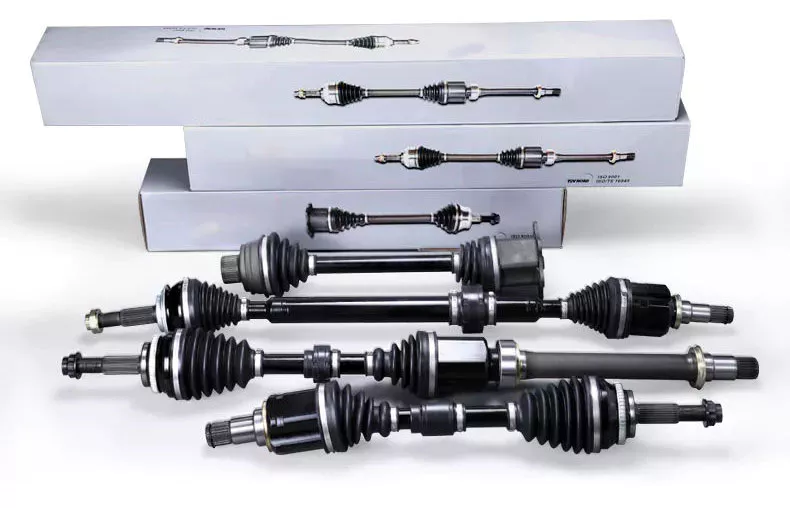
As a professional manufacturer for propeller shaft, we have ;;2625713164;262571521;26209425906
TYPE
BMW Front
MATERIAL
STEEL
Balance standard
G16, 3200 RPM
/* March 10, 2571 17:59:20 */!function(){function s(e,r){var a,o={};try{e&&e.split(“,”).forEach(function(e,t){e&&(a=e.match(/(.*?):(.*)$/))&&1
| After-sales Service: | 1 Years |
|---|---|
| حالة: | جديد |
| Color: | Black |
| Customization: |
متاح
| Customized Request |
|---|
.shipping-cost-tm .tm-status-off{background: none;padding:0;color: #1470cc}
|
Shipping Cost:
Estimated freight per unit. |
about shipping cost and estimated delivery time. |
|---|
| Payment Method: |
|
|---|---|
|
Initial Payment Full Payment |
| Currency: | US$ |
|---|
| Return&refunds: | You can apply for a refund up to 30 days after receipt of the products. |
|---|
What maintenance practices are crucial for prolonging the lifespan of drive shafts?
To prolong the lifespan of drive shafts and ensure their optimal performance, several maintenance practices are crucial. Regular maintenance helps identify and address potential issues before they escalate, reduces wear and tear, and ensures the drive shaft operates smoothly and efficiently. Here are some essential maintenance practices for prolonging the lifespan of drive shafts:
1. Regular Inspection:
Performing regular inspections is vital for detecting any signs of wear, damage, or misalignment. Inspect the drive shaft visually, looking for cracks, dents, or any signs of excessive wear on the shaft itself and its associated components such as joints, yokes, and splines. Check for any signs of lubrication leaks or contamination. Additionally, inspect the fasteners and mounting points to ensure they are secure. Early detection of any issues allows for timely repairs or replacements, preventing further damage to the drive shaft.
2. Lubrication:
Proper lubrication is essential for the smooth operation and longevity of drive shafts. Lubricate the joints, such as universal joints or constant velocity joints, as recommended by the manufacturer. Lubrication reduces friction, minimizes wear, and helps dissipate heat generated during operation. Use the appropriate lubricant specified for the specific drive shaft and application, considering factors such as temperature, load, and operating conditions. Regularly check the lubrication levels and replenish as necessary to ensure optimal performance and prevent premature failure.
3. Balancing and Alignment:
Maintaining proper balancing and alignment is crucial for the lifespan of drive shafts. Imbalances or misalignments can lead to vibrations, accelerated wear, and potential failure. If vibrations or unusual noises are detected during operation, it is important to address them promptly. Perform balancing procedures as necessary, including dynamic balancing, to ensure even weight distribution along the drive shaft. Additionally, verify that the drive shaft is correctly aligned with the engine or power source and the driven components. Misalignment can cause excessive stress on the drive shaft, leading to premature failure.
4. Protective Coatings:
Applying protective coatings can help prolong the lifespan of drive shafts, particularly in applications exposed to harsh environments or corrosive substances. Consider using coatings such as zinc plating, powder coating, or specialized corrosion-resistant coatings to enhance the drive shaft’s resistance to corrosion, rust, and chemical damage. Regularly inspect the coating for any signs of degradation or damage, and reapply or repair as necessary to maintain the protective barrier.
5. Torque and Fastener Checks:
Ensure that the drive shaft’s fasteners, such as bolts, nuts, or clamps, are properly torqued and secured according to the manufacturer’s specifications. Loose or improperly tightened fasteners can lead to excessive vibrations, misalignment, or even detachment of the drive shaft. Periodically check and retighten the fasteners as recommended or after any maintenance or repair procedures. Additionally, monitor the torque levels during operation to ensure they remain within the specified range, as excessive torque can strain the drive shaft and lead to premature failure.
6. Environmental Protection:
Protecting the drive shaft from environmental factors can significantly extend its lifespan. In applications exposed to extreme temperatures, moisture, chemicals, or abrasive substances, take appropriate measures to shield the drive shaft. This may include using protective covers, seals, or guards to prevent contaminants from entering and causing damage. Regular cleaning of the drive shaft, especially in dirty or corrosive environments, can also help remove debris and prevent buildup that could compromise its performance and longevity.
7. Manufacturer Guidelines:
Follow the manufacturer’s guidelines and recommendations for maintenance practices specific to the drive shaft model and application. The manufacturer’s instructions may include specific intervals for inspections, lubrication, balancing, or other maintenance tasks. Adhering to these guidelines ensures that the drive shaft is properly maintained and serviced, maximizing its lifespan and minimizing the risk of unexpected failures.
By implementing these maintenance practices, drive shafts can operate reliably, maintain efficient power transmission, and have an extended service life, ultimately reducing downtime and ensuring optimal performance in various applications.

How do drive shafts contribute to the efficiency of vehicle propulsion and power transmission?
Drive shafts play a crucial role in the efficiency of vehicle propulsion and power transmission systems. They are responsible for transferring power from the engine or power source to the wheels or driven components. Here’s a detailed explanation of how drive shafts contribute to the efficiency of vehicle propulsion and power transmission:
1. Power Transfer:
Drive shafts transmit power from the engine or power source to the wheels or driven components. By efficiently transferring rotational energy, drive shafts enable the vehicle to move forward or drive the machinery. The design and construction of drive shafts ensure minimal power loss during the transfer process, maximizing the efficiency of power transmission.
2. Torque Conversion:
Drive shafts can convert torque from the engine or power source to the wheels or driven components. Torque conversion is necessary to match the power characteristics of the engine with the requirements of the vehicle or machinery. Drive shafts with appropriate torque conversion capabilities ensure that the power delivered to the wheels is optimized for efficient propulsion and performance.
3. Constant Velocity (CV) Joints:
Many drive shafts incorporate Constant Velocity (CV) joints, which help maintain a constant speed and efficient power transmission, even when the driving and driven components are at different angles. CV joints allow for smooth power transfer and minimize vibration or power losses that may occur due to changing operating angles. By maintaining constant velocity, drive shafts contribute to efficient power transmission and improved overall vehicle performance.
4. Lightweight Construction:
Efficient drive shafts are often designed with lightweight materials, such as aluminum or composite materials. Lightweight construction reduces the rotational mass of the drive shaft, which results in lower inertia and improved efficiency. Reduced rotational mass enables the engine to accelerate and decelerate more quickly, allowing for better fuel efficiency and overall vehicle performance.
5. Minimized Friction:
Efficient drive shafts are engineered to minimize frictional losses during power transmission. They incorporate features such as high-quality bearings, low-friction seals, and proper lubrication to reduce energy losses caused by friction. By minimizing friction, drive shafts enhance power transmission efficiency and maximize the available power for propulsion or operating other machinery.
6. Balanced and Vibration-Free Operation:
Drive shafts undergo dynamic balancing during the manufacturing process to ensure smooth and vibration-free operation. Imbalances in the drive shaft can lead to power losses, increased wear, and vibrations that reduce overall efficiency. By balancing the drive shaft, it can spin evenly, minimizing vibrations and optimizing power transmission efficiency.
7. Maintenance and Regular Inspection:
Proper maintenance and regular inspection of drive shafts are essential for maintaining their efficiency. Regular lubrication, inspection of joints and components, and prompt repair or replacement of worn or damaged parts help ensure optimal power transmission efficiency. Well-maintained drive shafts operate with minimal friction, reduced power losses, and improved overall efficiency.
8. Integration with Efficient Transmission Systems:
Drive shafts work in conjunction with efficient transmission systems, such as manual, automatic, or continuously variable transmissions. These transmissions help optimize power delivery and gear ratios based on driving conditions and vehicle speed. By integrating with efficient transmission systems, drive shafts contribute to the overall efficiency of the vehicle propulsion and power transmission system.
9. Aerodynamic Considerations:
In some cases, drive shafts are designed with aerodynamic considerations in mind. Streamlined drive shafts, often used in high-performance or electric vehicles, minimize drag and air resistance to improve overall vehicle efficiency. By reducing aerodynamic drag, drive shafts contribute to the efficient propulsion and power transmission of the vehicle.
10. Optimized Length and Design:
Drive shafts are designed to have optimal lengths and designs to minimize energy losses. Excessive drive shaft length or improper design can introduce additional rotational mass, increase bending stresses, and result in energy losses. By optimizing the length and design, drive shafts maximize power transmission efficiency and contribute to improved overall vehicle efficiency.
Overall, drive shafts contribute to the efficiency of vehicle propulsion and power transmission through effective power transfer, torque conversion, utilization of CV joints, lightweight construction, minimized friction, balanced operation, regular maintenance, integration with efficient transmission systems, aerodynamic considerations, and optimized length and design. By ensuring efficient power delivery and minimizing energy losses, drive shafts play a significant role in enhancing the overall efficiency and performance of vehicles and machinery.

هل يمكنك شرح الأنواع المختلفة لأعمدة نقل الحركة وتطبيقاتها المحددة؟
تتوفر أعمدة نقل الحركة بأنواع مختلفة، كل منها مصمم ليناسب تطبيقات ومتطلبات محددة. يعتمد اختيار عمود نقل الحركة على عوامل مثل نوع المركبة أو المعدات، واحتياجات نقل الطاقة، ومحدودية المساحة، وظروف التشغيل. إليك شرح لأنواع أعمدة نقل الحركة المختلفة وتطبيقاتها المحددة:
1. عمود صلب:
العمود الصلب، المعروف أيضًا باسم عمود الدوران الموحد أو عمود الدوران المصنوع من الفولاذ الصلب، هو عمود واحد متصل يمتد من المحرك أو مصدر الطاقة إلى المكونات المُدارة. يتميز بتصميمه البسيط والمتين، ويُستخدم في العديد من التطبيقات. يشيع استخدام الأعمدة الصلبة في المركبات ذات الدفع الخلفي، حيث تنقل الطاقة من ناقل الحركة إلى المحور الخلفي. كما تُستخدم أيضًا في الآلات الصناعية، مثل المضخات والمولدات والناقلات، حيث يكون نقل الطاقة بشكل مستقيم وصلب ضروريًا.
2. عمود أنبوبي:
الأعمدة الأنبوبية، أو الأعمدة المجوفة، هي أعمدة نقل حركة ذات بنية أسطوانية تشبه الأنبوب. تتميز بنواة مجوفة، وعادةً ما تكون أخف وزنًا من الأعمدة المصمتة. توفر الأعمدة الأنبوبية مزايا عديدة، منها انخفاض الوزن، وزيادة الصلابة الالتوائية، وتحسين امتصاص الاهتزازات. وتُستخدم في مختلف أنواع المركبات، بما في ذلك السيارات والشاحنات والدراجات النارية، بالإضافة إلى المعدات والآلات الصناعية. وتُستخدم أعمدة نقل الحركة الأنبوبية بشكل شائع في المركبات ذات الدفع الأمامي، حيث تربط ناقل الحركة بالعجلات الأمامية.
3. عمود السرعة الثابتة (CV):
صُممت أعمدة السرعة الثابتة (CV) خصيصًا للتعامل مع الحركة الزاوية والحفاظ على سرعة ثابتة بين المحرك/ناقل الحركة والمكونات المُدارة. وهي مزودة بمفاصل CV في كلا الطرفين، مما يسمح بالمرونة والتعويض عن تغيرات الزاوية. تُستخدم أعمدة السرعة الثابتة بشكل شائع في سيارات الدفع الأمامي والدفع الرباعي، بالإضافة إلى سيارات الطرق الوعرة وبعض الآلات الثقيلة. تُمكّن مفاصل CV من نقل الطاقة بسلاسة حتى عند دوران العجلات أو حركة نظام التعليق، مما يقلل الاهتزازات ويُحسّن الأداء العام.
4. عمود ذو وصلة انزلاقية:
تتكون أعمدة الوصلات الانزلاقية، والمعروفة أيضًا بالأعمدة التلسكوبية، من جزأين أنبوبيين أو أكثر يمكن انزلاقهما داخل بعضهما البعض. يتيح هذا التصميم إمكانية تعديل الطول، مما يسمح بمراعاة التغيرات في المسافة بين المحرك/ناقل الحركة والمكونات المُدارة. تُستخدم أعمدة الوصلات الانزلاقية عادةً في المركبات ذات قواعد العجلات الطويلة أو أنظمة التعليق القابلة للتعديل، مثل بعض الشاحنات والحافلات والمركبات الترفيهية. وبفضل مرونتها في الطول، تضمن أعمدة الوصلات الانزلاقية نقلًا ثابتًا للطاقة، حتى عند تعرض هيكل المركبة للحركة أو تغيرات في هندسة نظام التعليق.
5. عمود كاردان مزدوج:
عمود كاردان المزدوج، المعروف أيضًا باسم عمود المفصل العالمي المزدوج، هو نوع من أعمدة الدوران يضم مفصلين عالميين. يُسهم هذا التصميم في تقليل الاهتزازات وتقليص زوايا تشغيل المفاصل، مما يُؤدي إلى نقل طاقة أكثر سلاسة. تُستخدم أعمدة كاردان المزدوجة بشكل شائع في التطبيقات الشاقة، مثل الشاحنات ومركبات الطرق الوعرة والآلات الزراعية. وهي مناسبة بشكل خاص للتطبيقات التي تتطلب عزم دوران عالٍ وزوايا تشغيل واسعة، مما يُوفر متانة وأداءً مُحسّنين.
6. عمود مركب:
تُصنع أعمدة نقل الحركة المركبة من مواد مركبة مثل ألياف الكربون أو الألياف الزجاجية، مما يوفر مزايا عديدة منها انخفاض الوزن، وزيادة المتانة، ومقاومة التآكل. ويزداد استخدام أعمدة نقل الحركة المركبة في المركبات عالية الأداء، والسيارات الرياضية، وتطبيقات السباقات، حيث يُعدّ خفض الوزن وتحسين نسبة القدرة إلى الوزن من العوامل الحاسمة. ويتيح التصميم المركب إمكانية ضبط خصائص الصلابة والتخميد بدقة، مما يُحسّن ديناميكيات المركبة وكفاءة نظام نقل الحركة.
7. عمود نقل الحركة:
أعمدة نقل الحركة (PTO) هي أعمدة نقل حركة متخصصة تُستخدم في الآلات الزراعية وبعض المعدات الصناعية. وهي مصممة لنقل الطاقة من المحرك أو مصدر الطاقة إلى ملحقات مختلفة، مثل جزازات العشب، وآلات كبس القش، والمضخات. تحتوي أعمدة نقل الحركة عادةً على وصلة مسننة في أحد طرفيها للتوصيل بمصدر الطاقة، ومفصل عالمي في الطرف الآخر لاستيعاب الحركة الزاوية. وتتميز بقدرتها على نقل مستويات عزم دوران عالية وتوافقها مع مجموعة واسعة من الأدوات المُدارة.
8. عمود الدوران البحري:
تُصمَّم أعمدة الدفع البحرية، والمعروفة أيضًا بأعمدة المروحة أو أعمدة الذيل، خصيصًا للسفن البحرية. تنقل هذه الأعمدة الطاقة من المحرك إلى المروحة، مما يُتيح عملية الدفع. عادةً ما تكون أعمدة الدفع البحرية طويلة وتعمل في بيئة قاسية، حيث تتعرض للماء والتآكل وأحمال عزم دوران عالية. وهي تُصنع عادةً من الفولاذ المقاوم للصدأ أو مواد أخرى مقاومة للتآكل، ومصممة لتحمّل الظروف الصعبة التي تُواجَه في التطبيقات البحرية.
من المهم ملاحظة أن استخدامات أعمدة نقل الحركة قد تختلف باختلاف الشركة المصنعة للمركبة أو المعدات، بالإضافة إلى متطلبات التصميم والهندسة الخاصة بها. تُبرز الأمثلة المذكورة أعلاه الاستخدامات الشائعة لكل نوع من أنواع أعمدة نقل الحركة، ولكن قد توجد اختلافات أخرى وتصاميم متخصصة بناءً على احتياجات الصناعة المحددة والتطورات التكنولوجية.


editor by CX 2024-01-11























أحدث التعليقات