
وصف المنتج
وصف المنتج
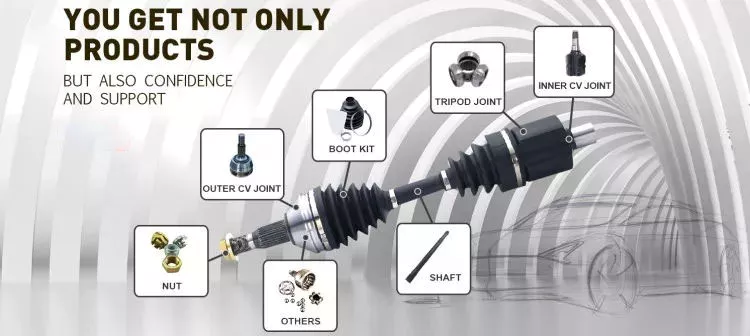
1.We are manufacturer of cv drive shaft,cv axle, cv joint and cv boot, we have more than 20-years experience in producing and selling auto parts.
2.We have strict quality control, the quality of our products is very good.
3.We are professional in different market around the world.
4.The reviews our customers given us are very positive, we have confidence in our products.
5.OEM/ODM is available, meet your requirements well.
6.Large warehouse, huge stocks!!! friendly for those customers who want some quantity.
7.Ship products out very fastly, we have stock.
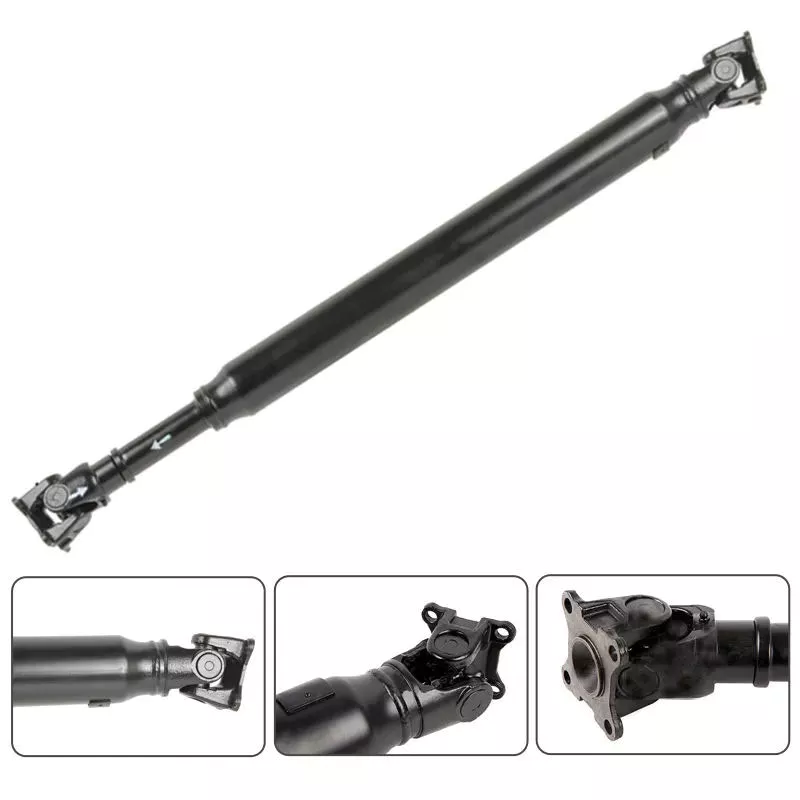
| اسم المنتج | عمود الدوران | مادة | فولاذ سبيكة 42CrMo |
| تركيب السيارة | فولكس فاجن | 12 شهرًا | |
| نموذج | باسات | ZHangZhoug, China | |
| year | 1997-2000/2000-2000/2000-2005 | 4 قطع | |
| رقم القطعة الأصلية | C-AD571A-8H | من 1 إلى 7 أيام | |
| تصنيع المعدات الأصلية/تصميم المعدات الأصلية | نعم | ماركة | جي جي إف |
| حجم التعبئة | 0.74*0.26*0.26 | خطاب اعتماد، تحويل مصرفي، ويسترن يونيون، نقداً، باي بال | |
| خدمة العينات | يعتمد ذلك على حالة المخزون | وزن | حوالي 3.7 كجم - 14.5 كجم |
صور تفصيلية
مراجعة العميل
Packaging & Shipping
التعليمات
/* March 10, 2571 17:59:20 */!function(){function s(e,r){var a,o={};try{e&&e.split(“,”).forEach(function(e,t){e&&(a=e.match(/(.*?):(.*)$/))&&1
| After-sales Service: | 12 شهرًا |
|---|---|
| حالة: | جديد |
| Axle Number: | 1 |
| Application: | Car |
| Certification: | ASTM, CE, DIN, ISO |
| Material: | Alloy |
| Samples: |
US$ 42/Piece
1 Piece(Min.Order) | |
|---|
| Customization: |
متاح
| Customized Request |
|---|
كيف تضمن أعمدة نقل الحركة نقل الطاقة بكفاءة مع الحفاظ على التوازن؟
تستخدم أعمدة نقل الحركة آليات متنوعة لضمان نقل الطاقة بكفاءة مع الحفاظ على التوازن. يشير نقل الطاقة بكفاءة إلى قدرة عمود نقل الحركة على نقل الطاقة الدورانية من المصدر (مثل المحرك) إلى المكونات المُدارة (مثل العجلات أو الآلات) بأقل قدر من فقد الطاقة. أما التوازن، فيتضمن تقليل الاهتزازات والقضاء على أي توزيع غير متساوٍ للكتلة قد يُسبب اضطرابات أثناء التشغيل. إليك شرح لكيفية تحقيق أعمدة نقل الحركة لكلٍ من نقل الطاقة بكفاءة والتوازن:
1. اختيار المواد:
يُعدّ اختيار المواد المناسبة لأعمدة نقل الحركة أمرًا بالغ الأهمية للحفاظ على التوازن وضمان نقل الطاقة بكفاءة. تُصنع أعمدة نقل الحركة عادةً من مواد مثل الفولاذ أو سبائك الألومنيوم، والتي تُختار لقوتها وصلابتها ومتانتها. تتميز هذه المواد بثبات أبعادها الممتاز وقدرتها على تحمل أحمال عزم الدوران التي تتعرض لها أثناء التشغيل. باستخدام مواد عالية الجودة، يمكن تقليل التشوه والانحناء وعدم التوازن في أعمدة نقل الحركة، مما قد يؤثر سلبًا على نقل الطاقة ويُسبب اهتزازات.
2. اعتبارات التصميم:
يلعب تصميم عمود الدوران دورًا هامًا في كفاءة نقل الطاقة وتوازنها. تُصمَّم أعمدة الدوران بأبعاد مناسبة، بما في ذلك القطر وسماكة الجدار، لتحمّل أحمال عزم الدوران المتوقعة دون انحراف أو اهتزاز مفرط. كما يُراعي التصميم عوامل أخرى مثل طول عمود الدوران، وعدد ونوع الوصلات (مثل الوصلات العالمية أو وصلات السرعة الثابتة)، واستخدام أوزان الموازنة. من خلال التصميم الدقيق لعمود الدوران، يُمكن للمصنّعين تحقيق كفاءة مثالية في نقل الطاقة مع تقليل احتمالية الاهتزازات الناتجة عن عدم التوازن.
3. تقنيات الموازنة:
يُعدّ التوازن أمرًا بالغ الأهمية لأعمدة نقل الحركة، إذ يُمكن لأي خلل فيه أن يُسبب اهتزازات وضوضاء وتآكلًا مُتسارعًا. وللحفاظ على هذا التوازن، تخضع أعمدة نقل الحركة لتقنيات موازنة مُتعددة أثناء عملية التصنيع. تُستخدم طرق الموازنة الثابتة والديناميكية لضمان توزيع الكتلة بشكل مُنتظم على طول عمود نقل الحركة. تتضمن الموازنة الثابتة إضافة أثقال مُوازنة في مواقع مُحددة لتعويض أي اختلالات في الوزن. أما الموازنة الديناميكية فتُجرى عن طريق تدوير عمود نقل الحركة بسرعات عالية وقياس أي اهتزازات. في حال اكتشاف أي اختلالات، تُجرى تعديلات إضافية لتحقيق حالة التوازن. تُساعد تقنيات الموازنة هذه على تقليل الاهتزازات وضمان التشغيل السلس لعمود نقل الحركة.
4. المفاصل العالمية والمفاصل ذات السرعة الثابتة:
غالبًا ما تتضمن أعمدة نقل الحركة وصلات عالمية (وصلات U) أو وصلات ذات سرعة ثابتة (CV) لمعالجة عدم المحاذاة والحفاظ على التوازن أثناء التشغيل. وصلات U هي وصلات مرنة تسمح بالحركة الزاوية بين الأعمدة، وتُستخدم عادةً في التطبيقات التي يعمل فيها عمود نقل الحركة بزوايا متغيرة. أما وصلات CV، فهي مصممة للحفاظ على سرعة دوران ثابتة، وتُستخدم عادةً في المركبات ذات الدفع الأمامي. من خلال دمج هذه الوصلات، يمكن لأعمدة نقل الحركة تعويض عدم المحاذاة، وتقليل الإجهاد الواقع على العمود، والحد من الاهتزازات التي قد تؤثر سلبًا على كفاءة نقل الطاقة والتوازن.
5. الصيانة والتفتيش:
تُعدّ الصيانة الدورية والفحص المنتظم لأعمدة نقل الحركة ضرورية لضمان نقل الطاقة بكفاءة وتوازن. تساعد الفحوصات الدورية للكشف عن التآكل أو التلف أو عدم المحاذاة في تحديد أي مشكلات قد تؤثر على أداء عمود نقل الحركة. كما يُعدّ تشحيم الوصلات وربط المسامير بإحكام أمرًا بالغ الأهمية للحفاظ على التشغيل الأمثل. وبالالتزام بإجراءات الصيانة الموصى بها، يمكن معالجة أي اختلالات أو أوجه قصور على الفور، مما يضمن استمرار نقل الطاقة بكفاءة وتوازن.
باختصار، تضمن أعمدة نقل الحركة نقلًا فعالًا للطاقة مع الحفاظ على التوازن من خلال اختيار دقيق للمواد، واعتبارات تصميم مدروسة، وتقنيات موازنة، واستخدام وصلات مرنة. ومن خلال تحسين هذه العوامل، تستطيع أعمدة نقل الحركة نقل الطاقة الدورانية بسلاسة وموثوقية، مما يقلل من فقد الطاقة والاهتزازات التي قد تؤثر على الأداء والعمر الافتراضي.
Can drive shafts be customized for specific vehicle or equipment requirements?
Yes, drive shafts can be customized to meet specific vehicle or equipment requirements. Customization allows manufacturers to tailor the design, dimensions, materials, and other parameters of the drive shaft to ensure compatibility and optimal performance within a particular vehicle or equipment. Here’s a detailed explanation of how drive shafts can be customized:
1. Dimensional Customization:
Drive shafts can be customized to match the dimensional requirements of the vehicle or equipment. This includes adjusting the overall length, diameter, and spline configuration to ensure proper fitment and clearances within the specific application. By customizing the dimensions, the drive shaft can be seamlessly integrated into the driveline system without any interference or limitations.
2. Material Selection:
The choice of materials for drive shafts can be customized based on the specific requirements of the vehicle or equipment. Different materials, such as steel alloys, aluminum alloys, or specialized composites, can be selected to optimize strength, weight, and durability. The material selection can be tailored to meet the torque, speed, and operating conditions of the application, ensuring the drive shaft’s reliability and longevity.
3. Joint Configuration:
Drive shafts can be customized with different joint configurations to accommodate specific vehicle or equipment requirements. For example, universal joints (U-joints) may be suitable for applications with lower operating angles and moderate torque demands, while constant velocity (CV) joints are often used in applications requiring higher operating angles and smoother power transmission. The choice of joint configuration depends on factors such as operating angle, torque capacity, and desired performance characteristics.
4. Torque and Power Capacity:
Customization allows drive shafts to be designed with the appropriate torque and power capacity for the specific vehicle or equipment. Manufacturers can analyze the torque requirements, operating conditions, and safety margins of the application to determine the optimal torque rating and power capacity of the drive shaft. This ensures that the drive shaft can handle the required loads without experiencing premature failure or performance issues.
5. Balancing and Vibration Control:
Drive shafts can be customized with precision balancing and vibration control measures. Imbalances in the drive shaft can lead to vibrations, increased wear, and potential driveline issues. By employing dynamic balancing techniques during the manufacturing process, manufacturers can minimize vibrations and ensure smooth operation. Additionally, vibration dampers or isolation systems can be integrated into the drive shaft design to further mitigate vibrations and enhance overall system performance.
6. Integration and Mounting Considerations:
Customization of drive shafts takes into account the integration and mounting requirements of the specific vehicle or equipment. Manufacturers work closely with the vehicle or equipment designers to ensure that the drive shaft fits seamlessly into the driveline system. This includes adapting the mounting points, interfaces, and clearances to ensure proper alignment and installation of the drive shaft within the vehicle or equipment.
7. Collaboration and Feedback:
Manufacturers often collaborate with vehicle manufacturers, OEMs (Original Equipment Manufacturers), or end-users to gather feedback and incorporate their specific requirements into the drive shaft customization process. By actively seeking input and feedback, manufacturers can address specific needs, optimize performance, and ensure compatibility with the vehicle or equipment. This collaborative approach enhances the customization process and results in drive shafts that meet the exact requirements of the application.
8. Compliance with Standards:
Customized drive shafts can be designed to comply with relevant industry standards and regulations. Compliance with standards, such as ISO (International Organization for Standardization) or specific industry standards, ensures that the customized drive shafts meet quality, safety, and performance requirements. Adhering to these standards provides assurance that the drive shafts are compatible and can be seamlessly integrated into the specific vehicle or equipment.
In summary, drive shafts can be customized to meet specific vehicle or equipment requirements through dimensional customization, material selection, joint configuration, torque and power capacity optimization, balancing and vibration control, integration and mounting considerations, collaboration with stakeholders, and compliance with industry standards. Customization allows drive shafts to be precisely tailored to the needs of the application, ensuring compatibility, reliability, and optimal performance.

What is a drive shaft and how does it function in vehicles and machinery?
A drive shaft, also known as a propeller shaft or prop shaft, is a mechanical component that plays a critical role in transmitting rotational power from the engine to the wheels or other driven components in vehicles and machinery. It is commonly used in various types of vehicles, including cars, trucks, motorcycles, and agricultural or industrial machinery. Here’s a detailed explanation of what a drive shaft is and how it functions:
1. Definition and Construction: A drive shaft is a cylindrical metal tube that connects the engine or power source to the wheels or driven components. It is typically made of steel or aluminum and consists of one or more tubular sections with universal joints (U-joints) at each end. These U-joints allow for angular movement and compensation of misalignment between the engine/transmission and the driven wheels or components.
2. Power Transmission: The primary function of a drive shaft is to transmit rotational power from the engine or power source to the wheels or driven components. In vehicles, the drive shaft connects the transmission or gearbox output shaft to the differential, which then transfers power to the wheels. In machinery, the drive shaft transfers power from the engine or motor to various driven components such as pumps, generators, or other mechanical systems.
3. Torque and Speed: The drive shaft is responsible for transmitting both torque and rotational speed. Torque is the rotational force generated by the engine or power source, while rotational speed is the number of revolutions per minute (RPM). The drive shaft must be capable of transmitting the required torque without excessive twisting or bending and maintaining the desired rotational speed for efficient operation of the driven components.
4. وصلة مرنة: The U-joints on the drive shaft provide a flexible coupling that allows for angular movement and compensation of misalignment between the engine/transmission and the driven wheels or components. As the suspension system of a vehicle moves or the machinery operates on uneven terrain, the drive shaft can adjust its length and angle to accommodate these movements, ensuring smooth power transmission and preventing damage to the drivetrain components.
5. Length and Balance: The length of the drive shaft is determined by the distance between the engine or power source and the driven wheels or components. It should be appropriately sized to ensure proper power transmission and avoid excessive vibrations or bending. Additionally, the drive shaft is carefully balanced to minimize vibrations and rotational imbalances, which can cause discomfort, reduce efficiency, and lead to premature wear of drivetrain components.
6. Safety Considerations: Drive shafts in vehicles and machinery require proper safety measures. In vehicles, drive shafts are often enclosed within a protective tube or housing to prevent contact with moving parts and reduce the risk of injury in the event of a malfunction or failure. Additionally, safety shields or guards are commonly installed around exposed drive shafts in machinery to protect operators from potential hazards associated with rotating components.
7. Maintenance and Inspection: Regular maintenance and inspection of drive shafts are essential to ensure their proper functioning and longevity. This includes checking for signs of wear, damage, or excessive play in the U-joints, inspecting the drive shaft for any cracks or deformations, and lubricating the U-joints as recommended by the manufacturer. Proper maintenance helps prevent failures, ensures optimal performance, and prolongs the service life of the drive shaft.
In summary, a drive shaft is a mechanical component that transmits rotational power from the engine or power source to the wheels or driven components in vehicles and machinery. It functions by providing a rigid connection between the engine/transmission and the driven wheels or components, while also allowing for angular movement and compensation of misalignment through the use of U-joints. The drive shaft plays a crucial role in power transmission, torque and speed delivery, flexible coupling, length and balance considerations, safety, and maintenance requirements. Its proper functioning is essential for the smooth and efficient operation of vehicles and machinery.


editor by CX 2024-02-10























أحدث التعليقات