
Opis proizvoda
Structure: 70#~75# high-carbon steel wire
Direction of Twist: Levorotation and dextrorotation
Applicable Scope: Vibrating machine, automobile, motorbike, counter, revolution counter, electric tools, gardening machinery mower, and various mechanical flexible rotations.
Function: Smooth, flexible, highly-elastic, and wear resistant
| Diameter (mm) |
Tolerance (mm) |
Number of Layers |
Loading Moment (N @ m) (Sample 500mm Long) |
Težina (kg/ 100m) |
|
| 2.0 |
+0.02 -0.02 |
3/5 |
0.8 |
1.8 |
|
| 2.5 |
3/5 |
1.0 |
2.8 |
||
| 3.2 |
3/5 |
1.3 |
4.6 |
||
| 3.8 |
3/5 |
1.5 |
6.5 |
||
| 5.0 |
+0.00 -0.05 |
3/4/5 |
1.8 |
11.3 |
|
| 6.0 |
3/4/5 |
2.4 |
16.2 |
||
| 6.5 |
4/5/7 |
2.9 |
18.7 |
||
| 8.0 |
|
4/5/6/7 |
7.5 |
28.8 |
|
| 10 |
4/5/6/7 |
22.5 |
45.5 |
||
| 12 |
4/5/6/7 |
39.0 |
66.5 |
||
| 13 |
4/5/6/7 |
50.5 |
77.5 |
||
| 16 |
4/5/6/7 |
115.0 |
114 |
||
| 18 |
4/5/6/7 |
160 |
145 |
||
| The flexible shafts not listed in the chart can be customized |
|||||
/* January 22, 2571 19:08:37 */!function(){function s(e,r){var a,o={};try{e&&e.split(“,”).forEach(function(e,t){e&&(a=e.match(/(.*?):(.*)$/))&&1
| Material: | Carbon Steel |
|---|---|
| Load: | Pogonska osovina |
| Stiffness & Flexibility: | Flexible Shaft |
| Axis Shape: | Soft Wire Shaft |
| Shaft Shape: | Real Axis |
| Appearance Shape: | Round |
| Samples: |
US$ 1/Meter
1 Meter(Min.Order) | |
|---|
| Customization: |
Dostupno
| Customized Request |
|---|
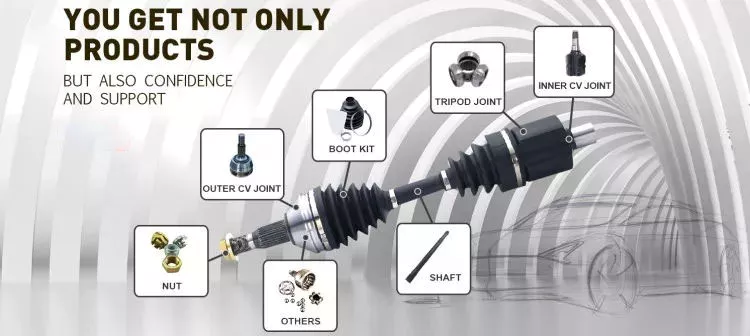
Kako pogonska vratila osiguravaju efikasan prijenos snage uz održavanje ravnoteže?
Kardanska vratila koriste različite mehanizme kako bi osigurala efikasan prijenos snage uz održavanje ravnoteže. Efikasan prijenos snage odnosi se na sposobnost kardanskog vratila da prenosi rotacijsku snagu od izvora (kao što je motor) do pogonjenih komponenti (kao što su točkovi ili mašine) uz minimalan gubitak energije. S druge strane, balansiranje uključuje minimiziranje vibracija i eliminaciju bilo kakve neravnomjerne raspodjele mase koja može uzrokovati poremećaje tokom rada. Evo objašnjenja kako kardanska vratila postižu i efikasan prijenos snage i ravnotežu:
1. Izbor materijala:
Izbor materijala za pogonska vratila ključan je za održavanje ravnoteže i osiguranje efikasnog prijenosa snage. Pogonska vratila se obično izrađuju od materijala kao što su čelik ili legure aluminija, odabranih zbog svoje čvrstoće, krutosti i izdržljivosti. Ovi materijali imaju odličnu dimenzionalnu stabilnost i mogu izdržati opterećenja obrtnog momenta koja se javljaju tokom rada. Korištenjem visokokvalitetnih materijala, pogonska vratila mogu smanjiti deformacije, savijanje i neravnoteže koje bi mogle ugroziti prijenos snage i generirati vibracije.
2. Dizajnerske potrebe:
Dizajn pogonskog vratila igra značajnu ulogu i u efikasnosti prijenosa snage i u ravnoteži. Pogonska vratila su konstruirana tako da imaju odgovarajuće dimenzije, uključujući promjer i debljinu stijenke, kako bi podnijela očekivana opterećenja obrtnog momenta bez prekomjernog otklona ili vibracija. Dizajn također uzima u obzir faktore kao što su dužina pogonskog vratila, broj i vrsta zglobova (kao što su univerzalni zglobovi ili zglobovi konstantne brzine) i upotreba utega za balansiranje. Pažljivim projektiranjem pogonskog vratila, proizvođači mogu postići optimalnu efikasnost prijenosa snage uz minimiziranje potencijala za vibracije izazvane neravnotežom.
3. Tehnike balansiranja:
Ravnoteža je ključna za pogonska vratila jer svaka neravnoteža može uzrokovati vibracije, buku i ubrzano habanje. Da bi se održala ravnoteža, pogonska vratila prolaze kroz različite tehnike balansiranja tokom procesa proizvodnje. Koriste se statičke i dinamičke metode balansiranja kako bi se osigurala ravnomjerna raspodjela mase duž pogonskog vratila. Statičko balansiranje uključuje dodavanje protutegova na određenim mjestima kako bi se kompenzirale sve neravnoteže težine. Dinamičko balansiranje se vrši okretanjem pogonskog vratila velikim brzinama i mjerenjem svih vibracija. Ako se otkriju neravnoteže, vrše se dodatna podešavanja kako bi se postiglo uravnoteženo stanje. Ove tehnike balansiranja pomažu u minimiziranju vibracija i osiguravaju nesmetan rad pogonskog vratila.
4. Univerzalni zglobovi i zglobovi konstantne brzine:
Kardanska vratila često uključuju univerzalne zglobove (U-zglobove) ili zglobove konstantne brzine (CV) kako bi se prilagodila neusklađenost i održala ravnoteža tokom rada. U-zglobovi su fleksibilni zglobovi koji omogućavaju ugaono kretanje između vratila. Obično se koriste u primjenama gdje pogonsko vratilo radi pod različitim uglovima. CV zglobovi, s druge strane, dizajnirani su da održavaju konstantnu brzinu rotacije i obično se koriste u vozilima s pogonom na prednje kotače. Ugradnjom ovih zglobova, pogonska vratila mogu kompenzirati neusklađenost, smanjiti opterećenje na vratilu i minimizirati vibracije koje mogu negativno utjecati na efikasnost prijenosa snage i ravnotežu.
5. Održavanje i inspekcija:
Redovno održavanje i pregled pogonskih vratila su neophodni za osiguranje efikasnog prijenosa snage i ravnoteže. Periodične provjere habanja, oštećenja ili neusklađenosti mogu pomoći u identifikaciji bilo kakvih problema koji mogu utjecati na performanse pogonskog vratila. Podmazivanje zglobova i pravilno zatezanje pričvršćivača također su ključni za održavanje optimalnog rada. Pridržavanjem preporučenih postupaka održavanja, svaka neravnoteža ili neefikasnost mogu se brzo riješiti, osiguravajući kontinuirano efikasan prijenos snage i ravnotežu.
Ukratko, pogonska vratila osiguravaju efikasan prijenos snage uz održavanje ravnoteže kroz pažljiv odabir materijala, promišljene dizajnerske aspekte, tehnike balansiranja i ugradnju fleksibilnih spojeva. Optimizacijom ovih faktora, pogonska vratila mogu glatko i pouzdano prenositi rotacijsku snagu, minimizirajući gubitke energije i vibracije koje mogu utjecati na performanse i dugovječnost.

How do drive shafts contribute to the efficiency of vehicle propulsion and power transmission?
Drive shafts play a crucial role in the efficiency of vehicle propulsion and power transmission systems. They are responsible for transferring power from the engine or power source to the wheels or driven components. Here’s a detailed explanation of how drive shafts contribute to the efficiency of vehicle propulsion and power transmission:
1. Power Transfer:
Drive shafts transmit power from the engine or power source to the wheels or driven components. By efficiently transferring rotational energy, drive shafts enable the vehicle to move forward or drive the machinery. The design and construction of drive shafts ensure minimal power loss during the transfer process, maximizing the efficiency of power transmission.
2. Torque Conversion:
Drive shafts can convert torque from the engine or power source to the wheels or driven components. Torque conversion is necessary to match the power characteristics of the engine with the requirements of the vehicle or machinery. Drive shafts with appropriate torque conversion capabilities ensure that the power delivered to the wheels is optimized for efficient propulsion and performance.
3. Constant Velocity (CV) Joints:
Many drive shafts incorporate Constant Velocity (CV) joints, which help maintain a constant speed and efficient power transmission, even when the driving and driven components are at different angles. CV joints allow for smooth power transfer and minimize vibration or power losses that may occur due to changing operating angles. By maintaining constant velocity, drive shafts contribute to efficient power transmission and improved overall vehicle performance.
4. Lightweight Construction:
Efficient drive shafts are often designed with lightweight materials, such as aluminum or composite materials. Lightweight construction reduces the rotational mass of the drive shaft, which results in lower inertia and improved efficiency. Reduced rotational mass enables the engine to accelerate and decelerate more quickly, allowing for better fuel efficiency and overall vehicle performance.
5. Minimized Friction:
Efficient drive shafts are engineered to minimize frictional losses during power transmission. They incorporate features such as high-quality bearings, low-friction seals, and proper lubrication to reduce energy losses caused by friction. By minimizing friction, drive shafts enhance power transmission efficiency and maximize the available power for propulsion or operating other machinery.
6. Balanced and Vibration-Free Operation:
Drive shafts undergo dynamic balancing during the manufacturing process to ensure smooth and vibration-free operation. Imbalances in the drive shaft can lead to power losses, increased wear, and vibrations that reduce overall efficiency. By balancing the drive shaft, it can spin evenly, minimizing vibrations and optimizing power transmission efficiency.
7. Maintenance and Regular Inspection:
Proper maintenance and regular inspection of drive shafts are essential for maintaining their efficiency. Regular lubrication, inspection of joints and components, and prompt repair or replacement of worn or damaged parts help ensure optimal power transmission efficiency. Well-maintained drive shafts operate with minimal friction, reduced power losses, and improved overall efficiency.
8. Integration with Efficient Transmission Systems:
Drive shafts work in conjunction with efficient transmission systems, such as manual, automatic, or continuously variable transmissions. These transmissions help optimize power delivery and gear ratios based on driving conditions and vehicle speed. By integrating with efficient transmission systems, drive shafts contribute to the overall efficiency of the vehicle propulsion and power transmission system.
9. Aerodynamic Considerations:
In some cases, drive shafts are designed with aerodynamic considerations in mind. Streamlined drive shafts, often used in high-performance or electric vehicles, minimize drag and air resistance to improve overall vehicle efficiency. By reducing aerodynamic drag, drive shafts contribute to the efficient propulsion and power transmission of the vehicle.
10. Optimized Length and Design:
Drive shafts are designed to have optimal lengths and designs to minimize energy losses. Excessive drive shaft length or improper design can introduce additional rotational mass, increase bending stresses, and result in energy losses. By optimizing the length and design, drive shafts maximize power transmission efficiency and contribute to improved overall vehicle efficiency.
Overall, drive shafts contribute to the efficiency of vehicle propulsion and power transmission through effective power transfer, torque conversion, utilization of CV joints, lightweight construction, minimized friction, balanced operation, regular maintenance, integration with efficient transmission systems, aerodynamic considerations, and optimized length and design. By ensuring efficient power delivery and minimizing energy losses, drive shafts play a significant role in enhancing the overall efficiency and performance of vehicles and machinery.

How do drive shafts handle variations in length and torque requirements?
Drive shafts are designed to handle variations in length and torque requirements in order to efficiently transmit rotational power. Here’s an explanation of how drive shafts address these variations:
Length Variations:
Drive shafts are available in different lengths to accommodate varying distances between the engine or power source and the driven components. They can be custom-made or purchased in standardized lengths, depending on the specific application. In situations where the distance between the engine and the driven components is longer, multiple drive shafts with appropriate couplings or universal joints can be used to bridge the gap. These additional drive shafts effectively extend the overall length of the power transmission system.
Additionally, some drive shafts are designed with telescopic sections. These sections can be extended or retracted, allowing for adjustments in length to accommodate different vehicle configurations or dynamic movements. Telescopic drive shafts are commonly used in applications where the distance between the engine and the driven components may change, such as in certain types of trucks, buses, and off-road vehicles.
Torque Requirements:
Drive shafts are engineered to handle varying torque requirements based on the power output of the engine or power source and the demands of the driven components. The torque transmitted through the drive shaft depends on factors such as the engine power, load conditions, and the resistance encountered by the driven components.
Manufacturers consider torque requirements when selecting the appropriate materials and dimensions for drive shafts. Drive shafts are typically made from high-strength materials, such as steel or aluminum alloys, to withstand the torque loads without deformation or failure. The diameter, wall thickness, and design of the drive shaft are carefully calculated to ensure it can handle the expected torque without excessive deflection or vibration.
In applications with high torque demands, such as heavy-duty trucks, industrial machinery, or performance vehicles, drive shafts may have additional reinforcements. These reinforcements can include thicker walls, cross-sectional shapes optimized for strength, or composite materials with superior torque-handling capabilities.
Furthermore, drive shafts often incorporate flexible joints, such as universal joints or constant velocity (CV) joints. These joints allow for angular misalignment and compensate for variations in the operating angles between the engine, transmission, and driven components. They also help absorb vibrations and shocks, reducing stress on the drive shaft and enhancing its torque-handling capacity.
In summary, drive shafts handle variations in length and torque requirements through customizable lengths, telescopic sections, appropriate materials and dimensions, and the inclusion of flexible joints. By carefully considering these factors, drive shafts can efficiently and reliably transmit power while accommodating the specific needs of different applications.


editor by CX 2024-04-17























Najnoviji komentari