Produktbeskrivelse
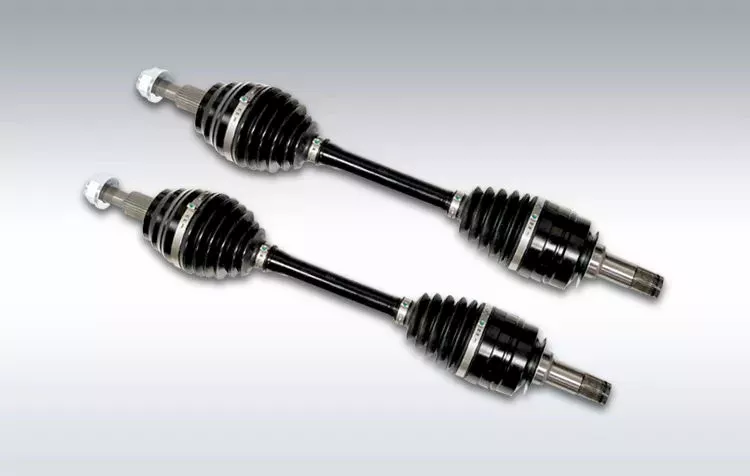
T4-660-01B-07G-YIIIP Agriculture PTO Drive Shaft for Earth Mover and Potato Harvester
| Product: | PTO Drive Shaft |
| Model: | T4-660-01B-07G-YIIIP |
| Size: | φ27*74.6 Length 660mm |
| Raw Material: | 45# Steel |
| Hardness: | 58-64HRC |
| Delivery Date: | 7-60 Days |
| MOQ: | 100 sets or according to stocks without minimum Qty. |
| Sample: | Acceptable |
| We could produce all kinds of PTO Drive Shaft and Parts according to customers’ requirement. | |
| REF. | UJ | L.mm |
| T4-660-01B-07G-YIIIP | ø27*74.6 | 660 |
About us
We have more than 17 years experience of Spare parts, especially on Drive Line Parts.
We deeply participant in the Auto Spare parts business in HangZhou city which is the most import spare parts production area in China.
We are supply products with good cost performance for different customers of all over the world.
We keep very good relationship with local produces with the WIN-WIN-WIN policy.
Factory supply good and fast products;
We supply good and fast service;
And Customers gain the good products and good service for their customers.
This is a healthy and strong equilateral triangle keep HangZhou Speedway going forward until now.
/* March 10, 2571 17:59:20 */!function(){function s(e,r){var a,o={};try{e&&e.split(“,”).forEach(function(e,t){e&&(a=e.match(/(.*?):(.*)$/))&&1
| Type: | Transmission |
|---|---|
| Usage: | Tillage, Harvester, Planting and Fertilization |
| Material: | 45# Steel |
| Power Source: | Diesel |
| Vægt: | 8 |
| After-sales Service: | Onlinesupport |
How do manufacturers ensure the compatibility of drive shafts with different equipment?
Manufacturers employ various strategies and processes to ensure the compatibility of drive shafts with different equipment. Compatibility refers to the ability of a drive shaft to effectively integrate and function within a specific piece of equipment or machinery. Manufacturers take into account several factors to ensure compatibility, including dimensional requirements, torque capacity, operating conditions, and specific application needs. Here’s a detailed explanation of how manufacturers ensure the compatibility of drive shafts:
1. Application Analysis:
Manufacturers begin by conducting a thorough analysis of the intended application and equipment requirements. This analysis involves understanding the specific torque and speed demands, operating conditions (such as temperature, vibration levels, and environmental factors), and any unique characteristics or constraints of the equipment. By gaining a comprehensive understanding of the application, manufacturers can tailor the design and specifications of the drive shaft to ensure compatibility.
2. Customization and Design:
Manufacturers often offer customization options to adapt drive shafts to different equipment. This customization involves tailoring the dimensions, materials, joint configurations, and other parameters to match the specific requirements of the equipment. By working closely with the equipment manufacturer or end-user, manufacturers can design drive shafts that align with the equipment’s mechanical interfaces, mounting points, available space, and other constraints. Customization ensures that the drive shaft fits seamlessly into the equipment, promoting compatibility and optimal performance.
3. Torque and Power Capacity:
Drive shaft manufacturers carefully determine the torque and power capacity of their products to ensure compatibility with different equipment. They consider factors such as the maximum torque requirements of the equipment, the expected operating conditions, and the safety margins necessary to withstand transient loads. By engineering drive shafts with appropriate torque ratings and power capacities, manufacturers ensure that the shaft can handle the demands of the equipment without experiencing premature failure or performance issues.
4. Material Selection:
Manufacturers choose materials for drive shafts based on the specific needs of different equipment. Factors such as torque capacity, operating temperature, corrosion resistance, and weight requirements influence material selection. Drive shafts may be made from various materials, including steel, aluminum alloys, or specialized composites, to provide the necessary strength, durability, and performance characteristics. The selected materials ensure compatibility with the equipment’s operating conditions, load requirements, and other environmental factors.
5. Joint Configurations:
Drive shafts incorporate joint configurations, such as universal joints (U-joints) or constant velocity (CV) joints, to accommodate different equipment needs. Manufacturers select and design the appropriate joint configuration based on factors such as operating angles, misalignment tolerances, and the desired level of smooth power transmission. The choice of joint configuration ensures that the drive shaft can effectively transmit power and accommodate the range of motion required by the equipment, promoting compatibility and reliable operation.
6. Quality Control and Testing:
Manufacturers implement stringent quality control processes and testing procedures to verify the compatibility of drive shafts with different equipment. These processes involve conducting dimensional inspections, material testing, torque and stress analysis, and performance testing under simulated operating conditions. By subjecting drive shafts to rigorous quality control measures, manufacturers can ensure that they meet the required specifications and performance criteria, guaranteeing compatibility with the intended equipment.
7. Compliance with Standards:
Manufacturers ensure that their drive shafts comply with relevant industry standards and regulations. Compliance with standards, such as ISO (International Organization for Standardization) or specific industry standards, provides assurance of quality, safety, and compatibility. Adhering to these standards helps manufacturers meet the expectations and requirements of equipment manufacturers and end-users, ensuring that the drive shafts are compatible and can be seamlessly integrated into different equipment.
8. Collaboration and Feedback:
Manufacturers often collaborate closely with equipment manufacturers, OEMs (Original Equipment Manufacturers), or end-users to gather feedback and incorporate their specific requirements into the drive shaft design and manufacturing processes. This collaborative approach ensures that the drive shafts are compatible with the intended equipment and meet the expectations of the end-users. By actively seeking input and feedback, manufacturers can continuously improve their products’ compatibility and performance.
In summary, manufacturers ensure the compatibility of drive shafts with different equipment through a combination of application analysis, customization, torque and power capacity considerations, material selection, joint configurations, quality control and testing, compliance with standards, and collaboration with equipment manufacturers and end-users. These efforts enable manufacturers to design and produce drive shafts that seamlessly integrate with various equipment, ensuring optimal performance, reliability, and compatibility in different applications.

Hvordan forbedrer drivaksler ydeevnen af biler og lastbiler?
Drivaksler spiller en betydelig rolle i at forbedre bilers og lastbilers ydeevne. De bidrager til forskellige aspekter af køretøjets ydeevne, herunder kraftoverførsel, vejgreb, håndtering og generel effektivitet. Her er en detaljeret forklaring på, hvordan drivaksler forbedrer bilers og lastbilers ydeevne:
1. Strømforsyning:
Drivaksler er ansvarlige for at overføre kraft fra motoren til hjulene, så køretøjet kan bevæge sig fremad. Ved effektivt at overføre kraft uden betydelige tab sikrer drivaksler, at motorens kraft udnyttes effektivt, hvilket resulterer i forbedret acceleration og samlet ydeevne. Veldesignede drivaksler med minimalt effekttab bidrager til køretøjets evne til at levere kraft til hjulene effektivt.
2. Momentoverførsel:
Drivaksler letter overførslen af drejningsmoment fra motoren til hjulene. Drejningsmoment er den rotationskraft, der driver køretøjet fremad. Drivaksler af høj kvalitet med korrekt momentomdannelse sikrer, at det drejningsmoment, der genereres af motoren, overføres effektivt til hjulene. Dette forbedrer køretøjets evne til at accelerere hurtigt, trække tunge læs og forcere stejle stigninger, hvilket forbedrer den samlede ydeevne.
3. Trækkraft og stabilitet:
Drivaksler bidrager til vejgreb og stabilitet i biler og lastbiler. De overfører kraft til hjulene, så de kan udøve kraft på vejoverfladen. Dette gør det muligt for køretøjet at opretholde vejgrebet, især under acceleration eller ved kørsel på glat eller ujævnt terræn. Den effektive kraftoverførsel gennem drivakslerne forbedrer køretøjets stabilitet ved at sikre en afbalanceret kraftfordeling til alle hjul, hvilket forbedrer kontrol og håndtering.
4. Håndtering og manøvredygtighed:
Drivaksler har indflydelse på køretøjers håndtering og manøvredygtighed. De hjælper med at etablere en direkte forbindelse mellem motoren og hjulene, hvilket giver mulighed for præcis kontrol og responsiv håndtering. Veldesignede drivaksler med minimalt slør bidrager til en mere direkte og øjeblikkelig reaktion på førerens input, hvilket forbedrer køretøjets smidighed og manøvredygtighed.
5. Vægttab:
Drivaksler kan bidrage til vægttab i biler og lastbiler. Letvægtsdrivaksler lavet af materialer som aluminium eller kulfiberforstærkede kompositmaterialer reducerer køretøjets samlede vægt. Den reducerede vægt forbedrer effekt-til-vægt-forholdet, hvilket resulterer i bedre acceleration, håndtering og brændstofeffektivitet. Derudover reducerer lette drivaksler rotationsmassen, hvilket gør det muligt for motoren at øge omdrejningerne hurtigere og yderligere forbedrer ydeevnen.
6. Mekanisk effektivitet:
Effektive drivaksler minimerer energitab under kraftoverførsel. Ved at inkorporere funktioner som lejer af høj kvalitet, lavfriktionstætninger og optimeret smøring reducerer drivaksler friktion og minimerer effekttab på grund af indre modstand. Dette forbedrer drivlinjesystemets mekaniske effektivitet, hvilket giver mere kraft til hjulene og forbedrer køretøjets samlede ydeevne.
7. Ydelsesforbedringer:
Opgraderinger af drivaksler kan være en populær forbedring af ydeevnen for entusiaster. Opgraderede drivaksler, såsom dem der er lavet af stærkere materialer eller med forbedret drejningsmomentkapacitet, kan håndtere højere effekt fra modificerede motorer. Disse opgraderinger giver mulighed for øget ydeevne, såsom forbedret acceleration, højere tophastigheder og bedre samlet køredynamik.
8. Kompatibilitet med ydeevneændringer:
Ydelsesændringer, såsom motoropgraderinger, øget effekt eller ændringer i drivlinjesystemet, kræver ofte kompatible kardanaksler. Kardanaksler, der er designet til at håndtere højere momentbelastninger eller tilpasse sig modificerede drivlinjekonfigurationer, sikrer optimal ydeevne og pålidelighed. De gør det muligt for køretøjet effektivt at udnytte den øgede effekt og det øgede drejningsmoment, hvilket resulterer i forbedret ydeevne og respons.
9. Holdbarhed og pålidelighed:
Robuste og velholdte kardanaksler bidrager til bilers og lastbilers holdbarhed og pålidelighed. De er designet til at modstå de belastninger og belastninger, der er forbundet med kraftoverførsel. Materialer af høj kvalitet, passende afbalancering og regelmæssig vedligeholdelse er med til at sikre, at kardanakslerne fungerer problemfrit, hvilket minimerer risikoen for fejl eller ydelsesproblemer. Pålidelige kardanaksler forbedrer den samlede ydelse ved at give ensartet kraftoverførsel og minimere nedetid.
10. Kompatibilitet med avancerede teknologier:
Drivaksler udvikler sig i takt med fremskridt inden for køretøjsteknologier. De integreres i stigende grad med avancerede systemer såsom hybride drivlinjer, elmotorer og regenerativ bremsning. Drivaksler, der er designet til at fungere problemfrit med disse teknologier, maksimerer deres effektivitet og ydeevnefordele og bidrager dermed til forbedret samlet køretøjsydelse.
Kort sagt forbedrer drivaksler bilers og lastbilers ydeevne ved at optimere kraftoverførslen, lette momentoverførsel, forbedre vejgreb og stabilitet, forbedre håndtering og manøvredygtighed, reducere vægt, øge mekanisk effektivitet og muliggøre kompatibilitet med ydeevneopgraderinger og avancerede teknologier. De spiller en afgørende rolle i at sikre effektiv kraftoverførsel, responsiv acceleration, præcis håndtering og generelt forbedret ydeevne for køretøjer.
Are there variations in drive shaft designs for different types of machinery?
Yes, there are variations in drive shaft designs to cater to the specific requirements of different types of machinery. The design of a drive shaft is influenced by factors such as the application, power transmission needs, space limitations, operating conditions, and the type of driven components. Here’s an explanation of how drive shaft designs can vary for different types of machinery:
1. Automotive Applications:
In the automotive industry, drive shaft designs can vary depending on the vehicle’s configuration. Rear-wheel-drive vehicles typically use a single-piece or two-piece drive shaft, which connects the transmission or transfer case to the rear differential. Front-wheel-drive vehicles often use a different design, employing a drive shaft that combines with the constant velocity (CV) joints to transmit power to the front wheels. All-wheel-drive vehicles may have multiple drive shafts to distribute power to all wheels. The length, diameter, material, and joint types can differ based on the vehicle’s layout and torque requirements.
2. Industrial Machinery:
Drive shaft designs for industrial machinery depend on the specific application and power transmission requirements. In manufacturing machinery, such as conveyors, presses, and rotating equipment, drive shafts are designed to transfer power efficiently within the machine. They may incorporate flexible joints or use a splined or keyed connection to accommodate misalignment or allow for easy disassembly. The dimensions, materials, and reinforcement of the drive shaft are selected based on the torque, speed, and operating conditions of the machinery.
3. Agriculture and Farming:
Agricultural machinery, such as tractors, combines, and harvesters, often requires drive shafts that can handle high torque loads and varying operating angles. These drive shafts are designed to transmit power from the engine to attachments and implements, such as mowers, balers, tillers, and harvesters. They may incorporate telescopic sections to accommodate adjustable lengths, flexible joints to compensate for misalignment during operation, and protective shielding to prevent entanglement with crops or debris.
4. Construction and Heavy Equipment:
Construction and heavy equipment, including excavators, loaders, bulldozers, and cranes, require robust drive shaft designs capable of transmitting power in demanding conditions. These drive shafts often have larger diameters and thicker walls to handle high torque loads. They may incorporate universal joints or CV joints to accommodate operating angles and absorb shocks and vibrations. Drive shafts in this category may also have additional reinforcements to withstand the harsh environments and heavy-duty applications associated with construction and excavation.
5. Marine and Maritime Applications:
Drive shaft designs for marine applications are specifically engineered to withstand the corrosive effects of seawater and the high torque loads encountered in marine propulsion systems. Marine drive shafts are typically made from stainless steel or other corrosion-resistant materials. They may incorporate flexible couplings or dampening devices to reduce vibration and mitigate the effects of misalignment. The design of marine drive shafts also considers factors such as shaft length, diameter, and support bearings to ensure reliable power transmission in marine vessels.
6. Mining and Extraction Equipment:
In the mining industry, drive shafts are used in heavy machinery and equipment such as mining trucks, excavators, and drilling rigs. These drive shafts need to withstand extremely high torque loads and harsh operating conditions. Drive shaft designs for mining applications often feature larger diameters, thicker walls, and specialized materials such as alloy steel or composite materials. They may incorporate universal joints or CV joints to handle operating angles, and they are designed to be resistant to abrasion and wear.
These examples highlight the variations in drive shaft designs for different types of machinery. The design considerations take into account factors such as power requirements, operating conditions, space constraints, alignment needs, and the specific demands of the machinery or industry. By tailoring the drive shaft design to the unique requirements of each application, optimal power transmission efficiency and reliability can be achieved.


editor by CX 2023-12-20