Produktbeskrivelse
Produktbeskrivelse
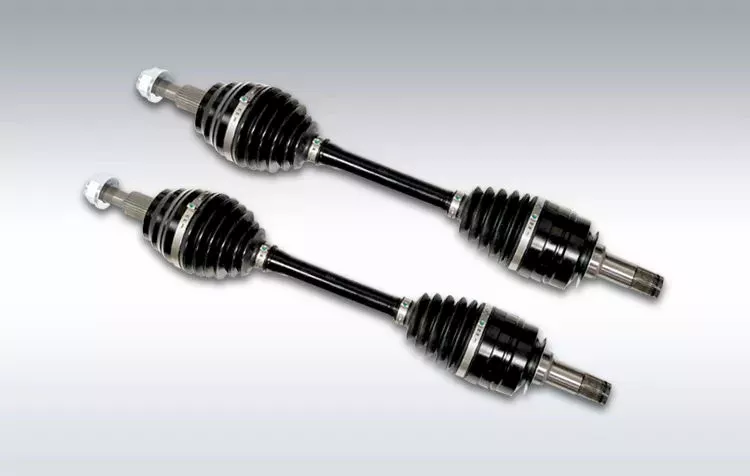
AXLE SHAFT
Axle shaft product model : 42311-2470
| Produktnavn | rear axle drive shaft |
| OEM number | 42311-2470 |
| Materiale | 40cr carbon steel |
| Hole | 10 |
| Length | 1030(mm) |
| Spline shaft | 34T |
| Quality | High performance |
| Function of drive shaft | Power transmission |
| Vehicle model of drive shaft | HINO Super Dolphin Profia FR4F Left Rear Drive Shaft |
| Processing of shaft | Forging |
| Surface treatment of shaft | Usually black customizable Silver, Blue, Rose Gold |
| Availability | Can be customized according to drawings |
Firmaprofil
Ofte stillede spørgsmål
Q:Can you do OEM and provide samples firstly?
A:Yes,OEM and ODM are welcomed ,and with stocks ,samples can be shipped with 3 HangZhou as you need.
Q:What is the MOQ?payment term? and delivery time
A:For regular products, MOQ: 100PCS each model;
Once we get payment, we will ship your order within 20 working days.
The normal delivery time is 20days, depending on which country you are in.
Q:Where are you? Can we visit your factory?
A:Our factory is located in HangZhou, ZheJiang , China.
lt is close to HangZhou Airport, and the traffic at the west exit of HangZhou Sanquan Expressway is very convenient.
All employees of the company sincerely welcome domestic and foreign merchants to visit our company for guidance and business negotiation. /* 22. januar 2571 19:08:37 */!function(){function s(e,r){var a,o={};try{e&&e.split(“,”).forEach(function(e,t){e&&(a=e.match(/(.*?):(.*)$/)))
| After-sales Service: | 1year |
|---|---|
| Tilstand: | Ny |
| Axle Number: | 2 |
| Samples: |
US$ 50/Piece
1 Piece(Min.Order) | Order Sample |
|---|
| Tilpasning: |
Tilgængelig
| Tilpasset anmodning |
|---|
.shipping-cost-tm .tm-status-off{background: none;padding:0;color: #1470cc}
|
Shipping Cost:
Estimated freight per unit. |
about shipping cost and estimated delivery time. |
|---|
| Payment Method: |
|
|---|---|
|
Initial Payment Full Payment |
| Currency: | US$ |
|---|
| Return&refunds: | You can apply for a refund up to 30 days after receipt of the products. |
|---|
How do manufacturers ensure the compatibility of drive shafts with different equipment?
Manufacturers employ various strategies and processes to ensure the compatibility of drive shafts with different equipment. Compatibility refers to the ability of a drive shaft to effectively integrate and function within a specific piece of equipment or machinery. Manufacturers take into account several factors to ensure compatibility, including dimensional requirements, torque capacity, operating conditions, and specific application needs. Here’s a detailed explanation of how manufacturers ensure the compatibility of drive shafts:
1. Application Analysis:
Manufacturers begin by conducting a thorough analysis of the intended application and equipment requirements. This analysis involves understanding the specific torque and speed demands, operating conditions (such as temperature, vibration levels, and environmental factors), and any unique characteristics or constraints of the equipment. By gaining a comprehensive understanding of the application, manufacturers can tailor the design and specifications of the drive shaft to ensure compatibility.
2. Customization and Design:
Manufacturers often offer customization options to adapt drive shafts to different equipment. This customization involves tailoring the dimensions, materials, joint configurations, and other parameters to match the specific requirements of the equipment. By working closely with the equipment manufacturer or end-user, manufacturers can design drive shafts that align with the equipment’s mechanical interfaces, mounting points, available space, and other constraints. Customization ensures that the drive shaft fits seamlessly into the equipment, promoting compatibility and optimal performance.
3. Torque and Power Capacity:
Drive shaft manufacturers carefully determine the torque and power capacity of their products to ensure compatibility with different equipment. They consider factors such as the maximum torque requirements of the equipment, the expected operating conditions, and the safety margins necessary to withstand transient loads. By engineering drive shafts with appropriate torque ratings and power capacities, manufacturers ensure that the shaft can handle the demands of the equipment without experiencing premature failure or performance issues.
4. Material Selection:
Manufacturers choose materials for drive shafts based on the specific needs of different equipment. Factors such as torque capacity, operating temperature, corrosion resistance, and weight requirements influence material selection. Drive shafts may be made from various materials, including steel, aluminum alloys, or specialized composites, to provide the necessary strength, durability, and performance characteristics. The selected materials ensure compatibility with the equipment’s operating conditions, load requirements, and other environmental factors.
5. Joint Configurations:
Drive shafts incorporate joint configurations, such as universal joints (U-joints) or constant velocity (CV) joints, to accommodate different equipment needs. Manufacturers select and design the appropriate joint configuration based on factors such as operating angles, misalignment tolerances, and the desired level of smooth power transmission. The choice of joint configuration ensures that the drive shaft can effectively transmit power and accommodate the range of motion required by the equipment, promoting compatibility and reliable operation.
6. Quality Control and Testing:
Manufacturers implement stringent quality control processes and testing procedures to verify the compatibility of drive shafts with different equipment. These processes involve conducting dimensional inspections, material testing, torque and stress analysis, and performance testing under simulated operating conditions. By subjecting drive shafts to rigorous quality control measures, manufacturers can ensure that they meet the required specifications and performance criteria, guaranteeing compatibility with the intended equipment.
7. Compliance with Standards:
Manufacturers ensure that their drive shafts comply with relevant industry standards and regulations. Compliance with standards, such as ISO (International Organization for Standardization) or specific industry standards, provides assurance of quality, safety, and compatibility. Adhering to these standards helps manufacturers meet the expectations and requirements of equipment manufacturers and end-users, ensuring that the drive shafts are compatible and can be seamlessly integrated into different equipment.
8. Collaboration and Feedback:
Manufacturers often collaborate closely with equipment manufacturers, OEMs (Original Equipment Manufacturers), or end-users to gather feedback and incorporate their specific requirements into the drive shaft design and manufacturing processes. This collaborative approach ensures that the drive shafts are compatible with the intended equipment and meet the expectations of the end-users. By actively seeking input and feedback, manufacturers can continuously improve their products’ compatibility and performance.
In summary, manufacturers ensure the compatibility of drive shafts with different equipment through a combination of application analysis, customization, torque and power capacity considerations, material selection, joint configurations, quality control and testing, compliance with standards, and collaboration with equipment manufacturers and end-users. These efforts enable manufacturers to design and produce drive shafts that seamlessly integrate with various equipment, ensuring optimal performance, reliability, and compatibility in different applications.

Hvordan forbedrer drivaksler ydeevnen af biler og lastbiler?
Drivaksler spiller en betydelig rolle i at forbedre bilers og lastbilers ydeevne. De bidrager til forskellige aspekter af køretøjets ydeevne, herunder kraftoverførsel, vejgreb, håndtering og generel effektivitet. Her er en detaljeret forklaring på, hvordan drivaksler forbedrer bilers og lastbilers ydeevne:
1. Strømforsyning:
Drivaksler er ansvarlige for at overføre kraft fra motoren til hjulene, så køretøjet kan bevæge sig fremad. Ved effektivt at overføre kraft uden betydelige tab sikrer drivaksler, at motorens kraft udnyttes effektivt, hvilket resulterer i forbedret acceleration og samlet ydeevne. Veldesignede drivaksler med minimalt effekttab bidrager til køretøjets evne til at levere kraft til hjulene effektivt.
2. Momentoverførsel:
Drivaksler letter overførslen af drejningsmoment fra motoren til hjulene. Drejningsmoment er den rotationskraft, der driver køretøjet fremad. Drivaksler af høj kvalitet med korrekt momentomdannelse sikrer, at det drejningsmoment, der genereres af motoren, overføres effektivt til hjulene. Dette forbedrer køretøjets evne til at accelerere hurtigt, trække tunge læs og forcere stejle stigninger, hvilket forbedrer den samlede ydeevne.
3. Trækkraft og stabilitet:
Drivaksler bidrager til vejgreb og stabilitet i biler og lastbiler. De overfører kraft til hjulene, så de kan udøve kraft på vejoverfladen. Dette gør det muligt for køretøjet at opretholde vejgrebet, især under acceleration eller ved kørsel på glat eller ujævnt terræn. Den effektive kraftoverførsel gennem drivakslerne forbedrer køretøjets stabilitet ved at sikre en afbalanceret kraftfordeling til alle hjul, hvilket forbedrer kontrol og håndtering.
4. Håndtering og manøvredygtighed:
Drivaksler har indflydelse på køretøjers håndtering og manøvredygtighed. De hjælper med at etablere en direkte forbindelse mellem motoren og hjulene, hvilket giver mulighed for præcis kontrol og responsiv håndtering. Veldesignede drivaksler med minimalt slør bidrager til en mere direkte og øjeblikkelig reaktion på førerens input, hvilket forbedrer køretøjets smidighed og manøvredygtighed.
5. Vægttab:
Drivaksler kan bidrage til vægttab i biler og lastbiler. Letvægtsdrivaksler lavet af materialer som aluminium eller kulfiberforstærkede kompositmaterialer reducerer køretøjets samlede vægt. Den reducerede vægt forbedrer effekt-til-vægt-forholdet, hvilket resulterer i bedre acceleration, håndtering og brændstofeffektivitet. Derudover reducerer lette drivaksler rotationsmassen, hvilket gør det muligt for motoren at øge omdrejningerne hurtigere og yderligere forbedrer ydeevnen.
6. Mekanisk effektivitet:
Effektive drivaksler minimerer energitab under kraftoverførsel. Ved at inkorporere funktioner som lejer af høj kvalitet, lavfriktionstætninger og optimeret smøring reducerer drivaksler friktion og minimerer effekttab på grund af indre modstand. Dette forbedrer drivlinjesystemets mekaniske effektivitet, hvilket giver mere kraft til hjulene og forbedrer køretøjets samlede ydeevne.
7. Ydelsesforbedringer:
Opgraderinger af drivaksler kan være en populær forbedring af ydeevnen for entusiaster. Opgraderede drivaksler, såsom dem der er lavet af stærkere materialer eller med forbedret drejningsmomentkapacitet, kan håndtere højere effekt fra modificerede motorer. Disse opgraderinger giver mulighed for øget ydeevne, såsom forbedret acceleration, højere tophastigheder og bedre samlet køredynamik.
8. Kompatibilitet med ydeevneændringer:
Ydelsesændringer, såsom motoropgraderinger, øget effekt eller ændringer i drivlinjesystemet, kræver ofte kompatible kardanaksler. Kardanaksler, der er designet til at håndtere højere momentbelastninger eller tilpasse sig modificerede drivlinjekonfigurationer, sikrer optimal ydeevne og pålidelighed. De gør det muligt for køretøjet effektivt at udnytte den øgede effekt og det øgede drejningsmoment, hvilket resulterer i forbedret ydeevne og respons.
9. Holdbarhed og pålidelighed:
Robuste og velholdte kardanaksler bidrager til bilers og lastbilers holdbarhed og pålidelighed. De er designet til at modstå de belastninger og belastninger, der er forbundet med kraftoverførsel. Materialer af høj kvalitet, passende afbalancering og regelmæssig vedligeholdelse er med til at sikre, at kardanakslerne fungerer problemfrit, hvilket minimerer risikoen for fejl eller ydelsesproblemer. Pålidelige kardanaksler forbedrer den samlede ydelse ved at give ensartet kraftoverførsel og minimere nedetid.
10. Kompatibilitet med avancerede teknologier:
Drivaksler udvikler sig i takt med fremskridt inden for køretøjsteknologier. De integreres i stigende grad med avancerede systemer såsom hybride drivlinjer, elmotorer og regenerativ bremsning. Drivaksler, der er designet til at fungere problemfrit med disse teknologier, maksimerer deres effektivitet og ydeevnefordele og bidrager dermed til forbedret samlet køretøjsydelse.
Kort sagt forbedrer drivaksler bilers og lastbilers ydeevne ved at optimere kraftoverførslen, lette momentoverførsel, forbedre vejgreb og stabilitet, forbedre håndtering og manøvredygtighed, reducere vægt, øge mekanisk effektivitet og muliggøre kompatibilitet med ydeevneopgraderinger og avancerede teknologier. De spiller en afgørende rolle i at sikre effektiv kraftoverførsel, responsiv acceleration, præcis håndtering og generelt forbedret ydeevne for køretøjer.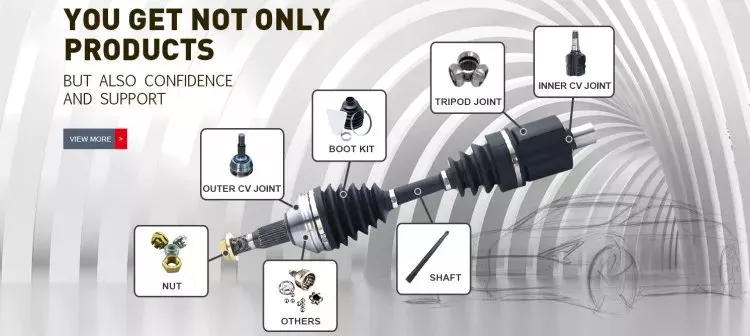
How do drive shafts handle variations in length and torque requirements?
Drive shafts are designed to handle variations in length and torque requirements in order to efficiently transmit rotational power. Here’s an explanation of how drive shafts address these variations:
Length Variations:
Drive shafts are available in different lengths to accommodate varying distances between the engine or power source and the driven components. They can be custom-made or purchased in standardized lengths, depending on the specific application. In situations where the distance between the engine and the driven components is longer, multiple drive shafts with appropriate couplings or universal joints can be used to bridge the gap. These additional drive shafts effectively extend the overall length of the power transmission system.
Additionally, some drive shafts are designed with telescopic sections. These sections can be extended or retracted, allowing for adjustments in length to accommodate different vehicle configurations or dynamic movements. Telescopic drive shafts are commonly used in applications where the distance between the engine and the driven components may change, such as in certain types of trucks, buses, and off-road vehicles.
Torque Requirements:
Drive shafts are engineered to handle varying torque requirements based on the power output of the engine or power source and the demands of the driven components. The torque transmitted through the drive shaft depends on factors such as the engine power, load conditions, and the resistance encountered by the driven components.
Manufacturers consider torque requirements when selecting the appropriate materials and dimensions for drive shafts. Drive shafts are typically made from high-strength materials, such as steel or aluminum alloys, to withstand the torque loads without deformation or failure. The diameter, wall thickness, and design of the drive shaft are carefully calculated to ensure it can handle the expected torque without excessive deflection or vibration.
In applications with high torque demands, such as heavy-duty trucks, industrial machinery, or performance vehicles, drive shafts may have additional reinforcements. These reinforcements can include thicker walls, cross-sectional shapes optimized for strength, or composite materials with superior torque-handling capabilities.
Furthermore, drive shafts often incorporate flexible joints, such as universal joints or constant velocity (CV) joints. These joints allow for angular misalignment and compensate for variations in the operating angles between the engine, transmission, and driven components. They also help absorb vibrations and shocks, reducing stress on the drive shaft and enhancing its torque-handling capacity.
In summary, drive shafts handle variations in length and torque requirements through customizable lengths, telescopic sections, appropriate materials and dimensions, and the inclusion of flexible joints. By carefully considering these factors, drive shafts can efficiently and reliably transmit power while accommodating the specific needs of different applications.


editor by CX 2024-02-29