Περιγραφή προϊόντος
Premium Agricultural Machinery Transmission, Driveline, Pto Shaft
| Αριθμός προϊόντος | Pto Shaft |
| Χρήση για | Agricultual Machinery |
| ΚΑΕ | Δεκτός |
| Τύποι σωλήνων για άξονα PTO | Triangle,Lemon.Star |
| Ελεύθερη άρθρωση | Σειρά 1-8 |
| Χρώματα του άξονα PTO | Base on Customer’s requirement |
| Σειρά άξονα PTO | Σειρά 1-8 |
| Τύπος ζυγού | Διαθέσιμες επιλογές |
| Equipment End Connection Way | CV,Clutch,Yoke |
| Εγγύηση | 1 έτος |
Προδιαγραφές προϊόντος
Λεπτομερείς φωτογραφίες
Προφίλ Εταιρείας
HangZhou Rongwang Industry and Trade Co., Ltd. was established in 2007. The company develops and produces gearboxes, transmission shafts, and related accessories for various types of lawn mowers, rotary tillers, excavators, and other agricultural machinery. The products are sold to various countries in Europe and America. The company currently has processing and testing equipment such as machining centers, CNC machine tools, and coordinate measuring instruments, and has a strong research and development team, as well as complete after-sales support services.
The company is committed to meeting and surpassing customer needs with a rigorous work style, providing high-performance and high-quality products. We warmly welcome domestic and foreign enterprises to come and discuss cooperation. The company is willing to take on a new look and constantly innovate. Sincere and enthusiastic service, as always, close communication and cooperation with colleagues at home and abroad, working hand in hand to create brilliance.
Applicatio
Corporate Purpose
The company always adheres to the business philosophy of “integrity, excellence, innovation, and progress” , striving for survival with quality and development with technology.The employees of Rongwang Industry and Trade have many years of experience in mechanical processing and manufacturing, while also absorbing advanced technology and processes from both domestic and foreign countries.And has passed ISO9001 quality system certification certification.
Rongwang Enterprise Purpose: To create excellent enterprises with excellent products, discounted prices, and excellent services.
Vision:Power the industry, Transmit the world.Rongwang Machinery aims to be the leader in the power transmission industry.Mission: To provide trustworthy and affordable products for our customers.”Trustworthy”means high quality and safe products.We are trying to offer lower cost products without sacrificing quality.
/* 22 Ιανουαρίου 2571 19:08:37 */!function(){function s(e,r){var a,o={};try{e&&e.split(“,”).forEach(function(e,t){e&&(a=e.match(/(.*?):(./*)
| Υλικό: | Alloy Steel |
|---|---|
| Φορτίο: | Άξονας μετάδοσης κίνησης |
| Σκληρότητα και Ευλυγισία: | Εύκαμπτος άξονας |
| Journal Diameter Dimensional Accuracy: | IT6-IT9 |
| Σχήμα άξονα: | Straight Shaft |
| Σχήμα άξονα: | Πραγματικός Άξονας |
| Δείγματα: |
US$ 20/Piece
1 Piece(Min.Order) | |
|---|
| Προσαρμογή: |
Διαθέσιμος
| Προσαρμοσμένο Αίτημα |
|---|
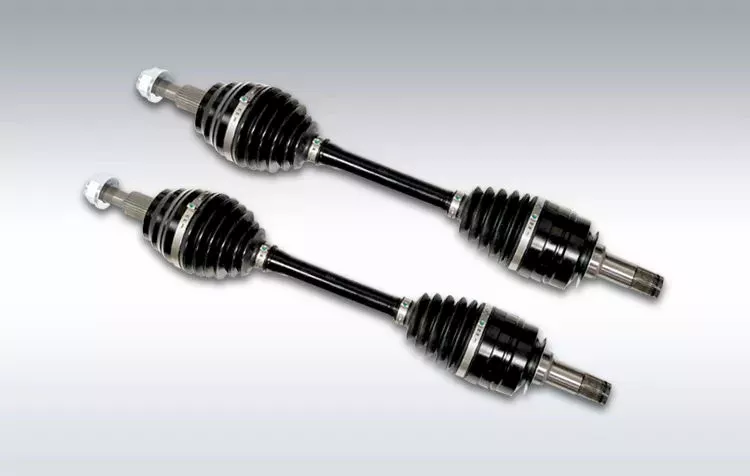
How do manufacturers ensure the compatibility of drive shafts with different equipment?
Manufacturers employ various strategies and processes to ensure the compatibility of drive shafts with different equipment. Compatibility refers to the ability of a drive shaft to effectively integrate and function within a specific piece of equipment or machinery. Manufacturers take into account several factors to ensure compatibility, including dimensional requirements, torque capacity, operating conditions, and specific application needs. Here’s a detailed explanation of how manufacturers ensure the compatibility of drive shafts:
1. Application Analysis:
Manufacturers begin by conducting a thorough analysis of the intended application and equipment requirements. This analysis involves understanding the specific torque and speed demands, operating conditions (such as temperature, vibration levels, and environmental factors), and any unique characteristics or constraints of the equipment. By gaining a comprehensive understanding of the application, manufacturers can tailor the design and specifications of the drive shaft to ensure compatibility.
2. Customization and Design:
Manufacturers often offer customization options to adapt drive shafts to different equipment. This customization involves tailoring the dimensions, materials, joint configurations, and other parameters to match the specific requirements of the equipment. By working closely with the equipment manufacturer or end-user, manufacturers can design drive shafts that align with the equipment’s mechanical interfaces, mounting points, available space, and other constraints. Customization ensures that the drive shaft fits seamlessly into the equipment, promoting compatibility and optimal performance.
3. Torque and Power Capacity:
Drive shaft manufacturers carefully determine the torque and power capacity of their products to ensure compatibility with different equipment. They consider factors such as the maximum torque requirements of the equipment, the expected operating conditions, and the safety margins necessary to withstand transient loads. By engineering drive shafts with appropriate torque ratings and power capacities, manufacturers ensure that the shaft can handle the demands of the equipment without experiencing premature failure or performance issues.
4. Material Selection:
Manufacturers choose materials for drive shafts based on the specific needs of different equipment. Factors such as torque capacity, operating temperature, corrosion resistance, and weight requirements influence material selection. Drive shafts may be made from various materials, including steel, aluminum alloys, or specialized composites, to provide the necessary strength, durability, and performance characteristics. The selected materials ensure compatibility with the equipment’s operating conditions, load requirements, and other environmental factors.
5. Joint Configurations:
Drive shafts incorporate joint configurations, such as universal joints (U-joints) or constant velocity (CV) joints, to accommodate different equipment needs. Manufacturers select and design the appropriate joint configuration based on factors such as operating angles, misalignment tolerances, and the desired level of smooth power transmission. The choice of joint configuration ensures that the drive shaft can effectively transmit power and accommodate the range of motion required by the equipment, promoting compatibility and reliable operation.
6. Quality Control and Testing:
Manufacturers implement stringent quality control processes and testing procedures to verify the compatibility of drive shafts with different equipment. These processes involve conducting dimensional inspections, material testing, torque and stress analysis, and performance testing under simulated operating conditions. By subjecting drive shafts to rigorous quality control measures, manufacturers can ensure that they meet the required specifications and performance criteria, guaranteeing compatibility with the intended equipment.
7. Compliance with Standards:
Manufacturers ensure that their drive shafts comply with relevant industry standards and regulations. Compliance with standards, such as ISO (International Organization for Standardization) or specific industry standards, provides assurance of quality, safety, and compatibility. Adhering to these standards helps manufacturers meet the expectations and requirements of equipment manufacturers and end-users, ensuring that the drive shafts are compatible and can be seamlessly integrated into different equipment.
8. Collaboration and Feedback:
Manufacturers often collaborate closely with equipment manufacturers, OEMs (Original Equipment Manufacturers), or end-users to gather feedback and incorporate their specific requirements into the drive shaft design and manufacturing processes. This collaborative approach ensures that the drive shafts are compatible with the intended equipment and meet the expectations of the end-users. By actively seeking input and feedback, manufacturers can continuously improve their products’ compatibility and performance.
In summary, manufacturers ensure the compatibility of drive shafts with different equipment through a combination of application analysis, customization, torque and power capacity considerations, material selection, joint configurations, quality control and testing, compliance with standards, and collaboration with equipment manufacturers and end-users. These efforts enable manufacturers to design and produce drive shafts that seamlessly integrate with various equipment, ensuring optimal performance, reliability, and compatibility in different applications.

Can you provide real-world examples of vehicles and machinery that use drive shafts?
Drive shafts are widely used in various vehicles and machinery to transmit power from the engine or power source to the wheels or driven components. Here are some real-world examples of vehicles and machinery that utilize drive shafts:
1. Automobiles:
Drive shafts are commonly found in automobiles, especially those with rear-wheel drive or four-wheel drive systems. In these vehicles, the drive shaft transfers power from the transmission or transfer case to the rear differential or front differential, respectively. This allows the engine’s power to be distributed to the wheels, propelling the vehicle forward.
2. Trucks and Commercial Vehicles:
Drive shafts are essential components in trucks and commercial vehicles. They are used to transfer power from the transmission or transfer case to the rear axle or multiple axles in the case of heavy-duty trucks. Drive shafts in commercial vehicles are designed to handle higher torque loads and are often larger and more robust than those used in passenger cars.
3. Construction and Earthmoving Equipment:
Various types of construction and earthmoving equipment, such as excavators, loaders, bulldozers, and graders, rely on drive shafts for power transmission. These machines typically have complex drivetrain systems that use drive shafts to transfer power from the engine to the wheels or tracks, enabling them to perform heavy-duty tasks on construction sites or in mining operations.
4. Agricultural Machinery:
Agricultural machinery, including tractors, combines, and harvesters, utilize drive shafts to transmit power from the engine to the wheels or driven components. Drive shafts in agricultural machinery are often subjected to demanding conditions and may have additional features such as telescopic sections to accommodate variable distances between components.
5. Industrial Machinery:
Industrial machinery, such as manufacturing equipment, generators, pumps, and compressors, often incorporate drive shafts in their power transmission systems. These drive shafts transfer power from electric motors, engines, or other power sources to various driven components, enabling the machinery to perform specific tasks in industrial settings.
6. Marine Vessels:
In marine applications, drive shafts are commonly used to transmit power from the engine to the propeller in boats, ships, and other watercraft. Marine drive shafts are typically longer and designed to withstand the unique challenges posed by water environments, including corrosion resistance and appropriate sealing mechanisms.
7. Recreational Vehicles (RVs) and Motorhomes:
RVs and motorhomes often employ drive shafts as part of their drivetrain systems. These drive shafts transfer power from the transmission to the rear axle, allowing the vehicle to move and providing propulsion. Drive shafts in RVs may have additional features such as dampers or vibration-reducing components to enhance comfort during travel.
8. Off-Road and Racing Vehicles:
Off-road vehicles, such as SUVs, trucks, and all-terrain vehicles (ATVs), as well as racing vehicles, frequently utilize drive shafts. These drive shafts are designed to withstand the rigors of off-road conditions or high-performance racing, transmitting power efficiently to the wheels and ensuring optimal traction and performance.
9. Railway Rolling Stock:
In railway systems, drive shafts are employed in locomotives and some types of rolling stock. They transfer power from the locomotive’s engine to the wheels or propulsion system, enabling the train to move along the tracks. Railway drive shafts are typically much longer and may have additional features to accommodate the articulated or flexible nature of some train configurations.
10. Wind Turbines:
Large-scale wind turbines used for generating electricity incorporate drive shafts in their power transmission systems. The drive shafts transfer rotational energy from the turbine’s blades to the generator, where it is converted into electrical power. Drive shafts in wind turbines are designed to handle the significant torque and rotational forces generated by the wind.
These examples demonstrate the broad range of vehicles and machinery that rely on drive shafts for efficient power transmission and propulsion. Drive shafts are essential components in various industries, enabling the transfer of power from the source to the driven components, ultimately facilitating movement, operation, or the performance of specific tasks.

Πώς διαχειρίζονται οι άξονες κίνησης τις διακυμάνσεις στο μήκος και τις απαιτήσεις ροπής;
Οι άξονες κίνησης έχουν σχεδιαστεί για να διαχειρίζονται τις διακυμάνσεις στο μήκος και τις απαιτήσεις ροπής, προκειμένου να μεταδίδουν αποτελεσματικά την περιστροφική ισχύ. Ακολουθεί μια εξήγηση για το πώς οι άξονες κίνησης αντιμετωπίζουν αυτές τις διακυμάνσεις:
Παραλλαγές μήκους:
Οι άξονες κίνησης διατίθενται σε διαφορετικά μήκη για να ανταποκρίνονται σε ποικίλες αποστάσεις μεταξύ του κινητήρα ή της πηγής ισχύος και των κινούμενων εξαρτημάτων. Μπορούν να κατασκευαστούν κατά παραγγελία ή να αγοραστούν σε τυποποιημένα μήκη, ανάλογα με την συγκεκριμένη εφαρμογή. Σε περιπτώσεις όπου η απόσταση μεταξύ του κινητήρα και των κινούμενων εξαρτημάτων είναι μεγαλύτερη, μπορούν να χρησιμοποιηθούν πολλαπλοί άξονες κίνησης με κατάλληλους συνδέσμους ή αρθρώσεις γενικής χρήσης για τη γεφύρωση του χάσματος. Αυτοί οι πρόσθετοι άξονες κίνησης επεκτείνουν αποτελεσματικά το συνολικό μήκος του συστήματος μετάδοσης ισχύος.
Επιπλέον, ορισμένοι άξονες κίνησης έχουν σχεδιαστεί με τηλεσκοπικά τμήματα. Αυτά τα τμήματα μπορούν να επεκταθούν ή να συμπτυχθούν, επιτρέποντας ρυθμίσεις μήκους για να προσαρμόζονται σε διαφορετικές διαμορφώσεις οχημάτων ή δυναμικές κινήσεις. Οι τηλεσκοπικοί άξονες κίνησης χρησιμοποιούνται συνήθως σε εφαρμογές όπου η απόσταση μεταξύ του κινητήρα και των κινούμενων εξαρτημάτων μπορεί να αλλάξει, όπως σε ορισμένους τύπους φορτηγών, λεωφορείων και οχημάτων εκτός δρόμου.
Απαιτήσεις ροπής:
Οι άξονες κίνησης έχουν σχεδιαστεί για να διαχειρίζονται ποικίλες απαιτήσεις ροπής με βάση την ισχύ εξόδου του κινητήρα ή της πηγής ισχύος και τις απαιτήσεις των κινούμενων εξαρτημάτων. Η ροπή που μεταδίδεται μέσω του άξονα κίνησης εξαρτάται από παράγοντες όπως η ισχύς του κινητήρα, οι συνθήκες φορτίου και η αντίσταση που αντιμετωπίζουν τα κινούμενα εξαρτήματα.
Οι κατασκευαστές λαμβάνουν υπόψη τις απαιτήσεις ροπής κατά την επιλογή των κατάλληλων υλικών και διαστάσεων για τους άξονες κίνησης. Οι άξονες κίνησης συνήθως κατασκευάζονται από υλικά υψηλής αντοχής, όπως χάλυβα ή κράματα αλουμινίου, για να αντέχουν τα φορτία ροπής χωρίς παραμόρφωση ή αστοχία. Η διάμετρος, το πάχος τοιχώματος και ο σχεδιασμός του άξονα κίνησης υπολογίζονται προσεκτικά για να διασφαλιστεί ότι μπορεί να χειριστεί την αναμενόμενη ροπή χωρίς υπερβολική παραμόρφωση ή κραδασμούς.
Σε εφαρμογές με υψηλές απαιτήσεις ροπής, όπως βαρέα φορτηγά, βιομηχανικά μηχανήματα ή οχήματα υψηλών επιδόσεων, οι άξονες κίνησης ενδέχεται να έχουν πρόσθετες ενισχύσεις. Αυτές οι ενισχύσεις μπορούν να περιλαμβάνουν παχύτερα τοιχώματα, σχήματα διατομής βελτιστοποιημένα για αντοχή ή σύνθετα υλικά με ανώτερες δυνατότητες χειρισμού ροπής.
Επιπλέον, οι άξονες κίνησης συχνά ενσωματώνουν εύκαμπτες αρθρώσεις, όπως αρθρώσεις γενικής χρήσης ή αρθρώσεις σταθερής ταχύτητας (CV). Αυτές οι αρθρώσεις επιτρέπουν τη γωνιακή κακή ευθυγράμμιση και αντισταθμίζουν τις διακυμάνσεις στις γωνίες λειτουργίας μεταξύ του κινητήρα, του κιβωτίου ταχυτήτων και των κινούμενων εξαρτημάτων. Βοηθούν επίσης στην απορρόφηση κραδασμών και κραδασμών, μειώνοντας την καταπόνηση στον άξονα κίνησης και ενισχύοντας την ικανότητα χειρισμού ροπής.
Συνοπτικά, οι άξονες κίνησης αντιμετωπίζουν τις διακυμάνσεις στο μήκος και τις απαιτήσεις ροπής μέσω προσαρμόσιμων μηκών, τηλεσκοπικών διατομών, κατάλληλων υλικών και διαστάσεων, καθώς και της συμπερίληψης εύκαμπτων αρθρώσεων. Λαμβάνοντας προσεκτικά υπόψη αυτούς τους παράγοντες, οι άξονες κίνησης μπορούν να μεταδίδουν ισχύ αποτελεσματικά και αξιόπιστα, ενώ παράλληλα καλύπτουν τις συγκεκριμένες ανάγκες διαφορετικών εφαρμογών.


editor by CX 2024-05-02