
製品説明
Structure: 70#~75# high-carbon steel wire
Direction of Twist: Levorotation and dextrorotation
Applicable Scope: Vibrating machine, automobile, motorbike, counter, revolution counter, electric tools, gardening machinery mower, and various mechanical flexible rotations.
Function: Smooth, flexible, highly-elastic, and wear resistant
| Diameter (mm) |
Tolerance (mm) |
Number of Layers |
Loading Moment (N @ m) (Sample 500mm Long) |
重さ (kg/ 100m) |
|
| 2.0 |
+0.02 -0.02 |
3/5 |
0.8 |
1.8 |
|
| 2.5 |
3/5 |
1.0 |
2.8 |
||
| 3.2 |
3/5 |
1.3 |
4.6 |
||
| 3.8 |
3/5 |
1.5 |
6.5 |
||
| 5.0 |
+0.00 -0.05 |
3/4/5 |
1.8 |
11.3 |
|
| 6.0 |
3/4/5 |
2.4 |
16.2 |
||
| 6.5 |
4/5/7 |
2.9 |
18.7 |
||
| 8.0 |
|
4/5/6/7 |
7.5 |
28.8 |
|
| 10 |
4/5/6/7 |
22.5 |
45.5 |
||
| 12 |
4/5/6/7 |
39.0 |
66.5 |
||
| 13 |
4/5/6/7 |
50.5 |
77.5 |
||
| 16 |
4/5/6/7 |
115.0 |
114 |
||
| 18 |
4/5/6/7 |
160 |
145 |
||
| The flexible shafts not listed in the chart can be customized |
|||||
/* January 22, 2571 19:08:37 */!function(){function s(e,r){var a,o={};try{e&&e.split(“,”).forEach(function(e,t){e&&(a=e.match(/(.*?):(.*)$/))&&1
| Material: | Carbon Steel |
|---|---|
| Load: | ドライブシャフト |
| Stiffness & Flexibility: | Flexible Shaft |
| Axis Shape: | Soft Wire Shaft |
| Shaft Shape: | Real Axis |
| Appearance Shape: | Round |
| Samples: |
US$ 1/Meter
1 Meter(Min.Order) | |
|---|
| Customization: |
利用可能
| Customized Request |
|---|
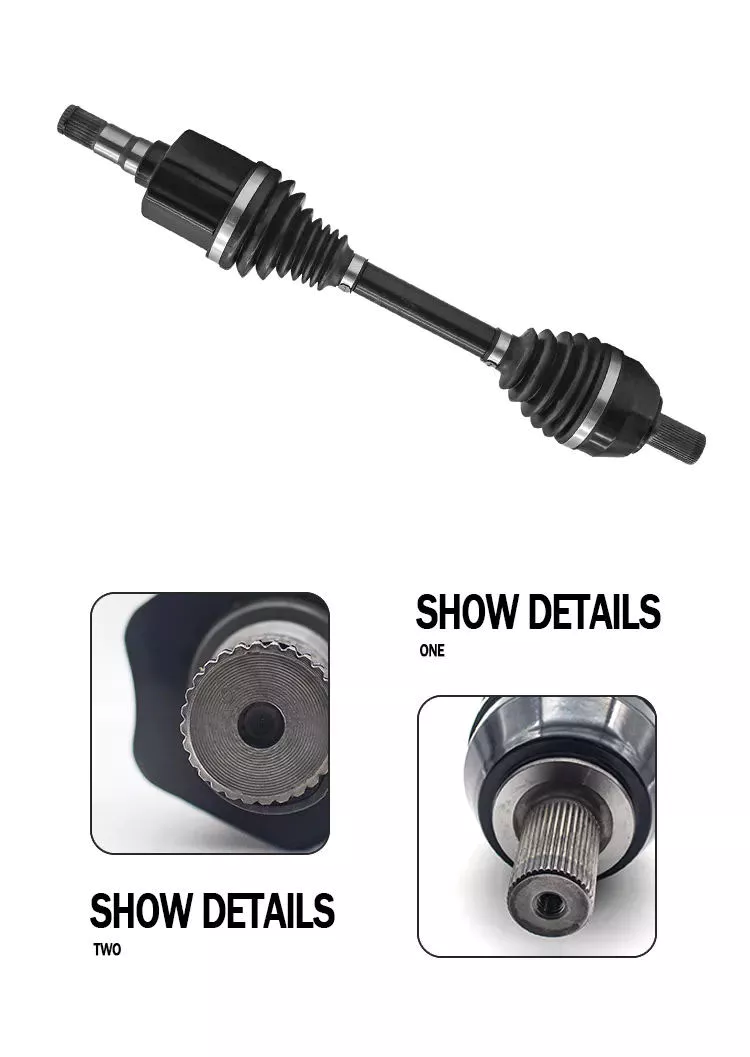
ドライブシャフトには、何か制限事項や欠点はありますか?
ドライブシャフトは広く使用されており、多くの利点がありますが、考慮すべきいくつかの制限と欠点も存在します。以下に、ドライブシャフトに関連する制限と欠点について詳しく説明します。
1. 長さと位置ずれの制約:
ドライブシャフトの長さには、材料強度、重量、剛性の維持、振動の最小化といった要因から、実用的な最大長が定められています。ドライブシャフトが長すぎると、曲げやねじりによるたわみが大きくなり、効率の低下や駆動系の振動につながる可能性があります。さらに、ドライブシャフトは駆動側と被駆動側の部品が適切に位置合わせされている必要があります。位置ずれは、ドライブシャフトや関連部品の摩耗、振動、早期故障の原因となります。
2. 動作角度の制限:
ドライブシャフト、特にユニバーサルジョイントを使用するものは、動作角度に制限があります。ユニバーサルジョイントは通常、特定の角度範囲内で動作するように設計されており、この制限を超えて使用すると、効率の低下、振動の増加、摩耗の加速につながる可能性があります。大きな動作角度が必要な用途では、一定速度を維持し、より大きな角度に対応するために、等速ジョイント(CVジョイント)がよく使用されます。ただし、CVジョイントはユニバーサルジョイントに比べて構造が複雑になり、コストも高くなる場合があります。
3. メンテナンス要件:
ドライブシャフトは、最適な性能と信頼性を確保するために定期的なメンテナンスが必要です。これには、定期点検、ジョイントの潤滑、必要に応じたバランス調整が含まれます。定期的なメンテナンスを怠ると、摩耗や振動が増加し、ドライブラインに問題が発生する可能性があります。ドライブシャフトをさまざまな用途で使用する際には、メンテナンスに必要な時間とリソースを考慮する必要があります。
4. 騒音と振動:
ドライブシャフトは、特に高速回転時や特定の共振周波数で動作する際に、騒音や振動を発生させる可能性があります。アンバランス、アライメント不良、ジョイントの摩耗、その他の要因が、騒音や振動の増加につながることがあります。これらの振動は、車内乗員の快適性に影響を与えたり、部品の疲労を引き起こしたりする可能性があり、その影響を軽減するために、ダンパーや防振システムなどの追加対策が必要となる場合があります。
5. 重量とスペースの制約:
ドライブシャフトはシステム全体の重量を増加させるため、自動車や航空宇宙産業など、重量に敏感な用途では考慮すべき点となります。さらに、ドライブシャフトの設置には物理的なスペースが必要です。コンパクトな機器や車両では、必要なドライブシャフトの長さとクリアランスを確保することが難しく、慎重な設計と統合の検討が求められます。
6.費用に関する考慮事項:
ドライブシャフトは、設計、材質、製造工程によって、かなりのコストがかかる場合があります。特定の機器の要件に合わせてカスタマイズされた、あるいは特殊なドライブシャフトは、さらに高額になる可能性があります。加えて、CVジョイントなどの高度なジョイント構成を組み込むと、ドライブシャフトシステムの複雑さとコストが増加する可能性があります。
7. 固有の電力損失:
駆動軸は、駆動源から被駆動部品へ動力を伝達しますが、摩擦、曲げ、その他の要因により、固有の動力損失も発生します。この動力損失は、特に長い駆動軸や高トルクを必要とする用途において、システム全体の効率を低下させる可能性があります。適切な駆動軸の設計と仕様を決定する際には、動力損失を考慮することが重要です。
8. トルク容量の制限:
ドライブシャフトは幅広いトルク負荷に対応できますが、トルク容量には限界があります。ドライブシャフトの最大トルク容量を超えると、早期故障につながり、ダウンタイムが発生したり、他の駆動系部品に損傷を与えたりする可能性があります。用途に適した十分なトルク容量を持つドライブシャフトを選択することが非常に重要です。
こうした制約や欠点にもかかわらず、ドライブシャフトは様々な産業において、依然として広く用いられ効果的な動力伝達手段であり続けています。メーカーは、材料、設計技術、ジョイント構成、バランス調整プロセスなどの進歩を通じて、これらの制約に対処するために継続的に取り組んでいます。エンジニアや設計者は、特定の用途要件と潜在的な欠点を慎重に検討することで、制約を軽減し、それぞれのシステムにおけるドライブシャフトの利点を最大限に引き出すことができます。

ドライブシャフトは、自動車やトラックの性能をどのように向上させるのでしょうか?
ドライブシャフトは、自動車やトラックの性能向上において重要な役割を果たします。動力伝達、トラクション、ハンドリング、そして総合的な効率など、車両性能の様々な側面に貢献します。ここでは、ドライブシャフトが自動車やトラックの性能をどのように向上させるのかを詳しく解説します。
1. 電力供給: Drive shafts are responsible for transmitting power from the engine to the wheels, enabling the vehicle to move forward. By efficiently transferring power without significant losses, drive shafts ensure that the engine’s power is effectively utilized, resulting in improved acceleration and overall performance. Well-designed drive shafts with minimal power loss contribute to the vehicle’s ability to deliver power to the wheels efficiently.
2. トルク伝達: ドライブシャフトは、エンジンから車輪へのトルク伝達を担います。トルクとは、車両を前進させる回転力のことです。適切なトルク変換能力を備えた高品質のドライブシャフトは、エンジンで発生したトルクを効率的に車輪に伝達します。これにより、車両の加速性能、重量物の牽引能力、急勾配の登坂能力が向上し、総合的な性能が向上します。
3. トラクションと安定性: ドライブシャフトは、乗用車やトラックの牽引力と安定性に貢献します。ドライブシャフトは車輪に動力を伝達し、車輪が路面に力を加えることを可能にします。これにより、特に加速時や滑りやすい路面、凹凸のある路面を走行する際に、車両は牽引力を維持することができます。ドライブシャフトを介した効率的な動力伝達は、すべての車輪へのバランスの取れた動力配分を確保することで車両の安定性を高め、操縦性とハンドリング性能を向上させます。
4. ハンドリングと操縦性: ドライブシャフトは、車両の操縦性と機動性に大きな影響を与えます。エンジンと車輪を直接接続することで、正確な制御と応答性の高いハンドリングを実現します。遊びやバックラッシュが最小限に抑えられた、適切に設計されたドライブシャフトは、ドライバーの操作に対してより直接的かつ迅速な反応をもたらし、車両の俊敏性と機動性を向上させます。
5. 減量: ドライブシャフトは、乗用車やトラックの軽量化に貢献します。アルミニウムや炭素繊維強化複合材などの素材で作られた軽量ドライブシャフトは、車両全体の重量を軽減します。軽量化によって出力重量比が向上し、加速性能、操縦性、燃費が向上します。さらに、軽量ドライブシャフトは回転質量を低減するため、エンジンの回転上昇が速くなり、パフォーマンスがさらに向上します。
6. 機械効率: 高効率ドライブシャフトは、動力伝達時のエネルギー損失を最小限に抑えます。高品質ベアリング、低摩擦シール、最適化された潤滑などの機能を搭載することで、ドライブシャフトは摩擦を低減し、内部抵抗による動力損失を最小限に抑えます。これにより、駆動系システムの機械効率が向上し、より多くの動力が車輪に伝達され、車両全体の性能が向上します。
7. パフォーマンスの向上: Drive shaft upgrades can be popular performance enhancements for enthusiasts. Upgraded drive shafts, such as those made from stronger materials or with enhanced torque capacity, can handle higher power outputs from modified engines. These upgrades allow for increased performance, such as improved acceleration, higher top speeds, and better overall driving dynamics.
8. パフォーマンス変更との互換性: エンジンのアップグレード、出力向上、駆動系システムの変更といった性能向上には、多くの場合、互換性のあるドライブシャフトが必要となります。より高いトルク負荷に対応したり、変更された駆動系構成に適合するように設計されたドライブシャフトは、最適な性能と信頼性を保証します。これにより、車両は増加した出力とトルクを効果的に活用でき、性能と応答性の向上につながります。
9. 耐久性と信頼性: 頑丈で適切にメンテナンスされたドライブシャフトは、自動車やトラックの耐久性と信頼性に貢献します。これらは、動力伝達に伴うストレスや負荷に耐えられるように設計されています。高品質の素材、適切なバランス調整、そして定期的なメンテナンスにより、ドライブシャフトはスムーズに作動し、故障や性能低下のリスクを最小限に抑えます。信頼性の高いドライブシャフトは、安定した動力伝達とダウンタイムの最小化によって、車両全体の性能を向上させます。
10.先進技術との互換性: ドライブシャフトは、車両技術の進歩と並行して進化を遂げています。ハイブリッドパワートレイン、電気モーター、回生ブレーキといった先進システムとの統合がますます進んでいます。これらの技術とシームレスに連携するように設計されたドライブシャフトは、効率と性能を最大限に引き出し、車両全体の性能向上に貢献します。
In summary, drive shafts enhance the performance of automobiles and trucks by optimizing power delivery, facilitating torque transfer, improving traction and stability, enhancing handling and maneuverability, reducing weight, increasing mechanical efficiency, enabling compatibility with performance upgrades and advanced technologies, and ensuring durability and reliability. They play a crucial role in ensuring efficient power transmission, responsive acceleration, precise handling, and overall improved performance of vehicles.
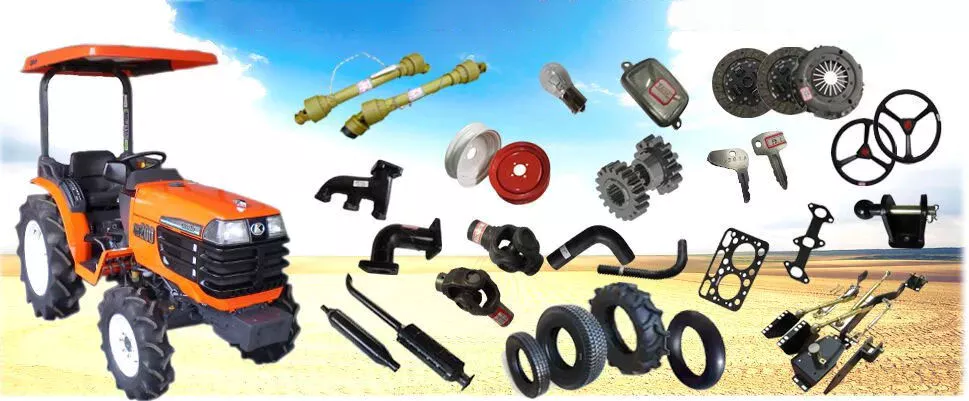
Are there variations in drive shaft designs for different types of machinery?
Yes, there are variations in drive shaft designs to cater to the specific requirements of different types of machinery. The design of a drive shaft is influenced by factors such as the application, power transmission needs, space limitations, operating conditions, and the type of driven components. Here’s an explanation of how drive shaft designs can vary for different types of machinery:
1. Automotive Applications:
In the automotive industry, drive shaft designs can vary depending on the vehicle’s configuration. Rear-wheel-drive vehicles typically use a single-piece or two-piece drive shaft, which connects the transmission or transfer case to the rear differential. Front-wheel-drive vehicles often use a different design, employing a drive shaft that combines with the constant velocity (CV) joints to transmit power to the front wheels. All-wheel-drive vehicles may have multiple drive shafts to distribute power to all wheels. The length, diameter, material, and joint types can differ based on the vehicle’s layout and torque requirements.
2. Industrial Machinery:
Drive shaft designs for industrial machinery depend on the specific application and power transmission requirements. In manufacturing machinery, such as conveyors, presses, and rotating equipment, drive shafts are designed to transfer power efficiently within the machine. They may incorporate flexible joints or use a splined or keyed connection to accommodate misalignment or allow for easy disassembly. The dimensions, materials, and reinforcement of the drive shaft are selected based on the torque, speed, and operating conditions of the machinery.
3. Agriculture and Farming:
Agricultural machinery, such as tractors, combines, and harvesters, often requires drive shafts that can handle high torque loads and varying operating angles. These drive shafts are designed to transmit power from the engine to attachments and implements, such as mowers, balers, tillers, and harvesters. They may incorporate telescopic sections to accommodate adjustable lengths, flexible joints to compensate for misalignment during operation, and protective shielding to prevent entanglement with crops or debris.
4. Construction and Heavy Equipment:
Construction and heavy equipment, including excavators, loaders, bulldozers, and cranes, require robust drive shaft designs capable of transmitting power in demanding conditions. These drive shafts often have larger diameters and thicker walls to handle high torque loads. They may incorporate universal joints or CV joints to accommodate operating angles and absorb shocks and vibrations. Drive shafts in this category may also have additional reinforcements to withstand the harsh environments and heavy-duty applications associated with construction and excavation.
5. Marine and Maritime Applications:
Drive shaft designs for marine applications are specifically engineered to withstand the corrosive effects of seawater and the high torque loads encountered in marine propulsion systems. Marine drive shafts are typically made from stainless steel or other corrosion-resistant materials. They may incorporate flexible couplings or dampening devices to reduce vibration and mitigate the effects of misalignment. The design of marine drive shafts also considers factors such as shaft length, diameter, and support bearings to ensure reliable power transmission in marine vessels.
6. Mining and Extraction Equipment:
In the mining industry, drive shafts are used in heavy machinery and equipment such as mining trucks, excavators, and drilling rigs. These drive shafts need to withstand extremely high torque loads and harsh operating conditions. Drive shaft designs for mining applications often feature larger diameters, thicker walls, and specialized materials such as alloy steel or composite materials. They may incorporate universal joints or CV joints to handle operating angles, and they are designed to be resistant to abrasion and wear.
These examples highlight the variations in drive shaft designs for different types of machinery. The design considerations take into account factors such as power requirements, operating conditions, space constraints, alignment needs, and the specific demands of the machinery or industry. By tailoring the drive shaft design to the unique requirements of each application, optimal power transmission efficiency and reliability can be achieved.


editor by CX 2024-03-02























最近のコメント