产品描述
Structure: 70#~75# high-carbon steel wire
Direction of Twist: Levorotation and dextrorotation
Applicable Scope: Vibrating machine, automobile, motorbike, counter, revolution counter, electric tools, gardening machinery mower, and various mechanical flexible rotations.
Function: Smooth, flexible, highly-elastic, and wear resistant
| Diameter (mm) |
Tolerance (mm) |
Number of Layers |
Loading Moment (N @ m) (Sample 500mm Long) |
重量 (kg/ 100m) |
|
| 2.0 |
+0.02 -0.02 |
3/5 |
0.8 |
1.8 |
|
| 2.5 |
3/5 |
1.0 |
2.8 |
||
| 3.2 |
3/5 |
1.3 |
4.6 |
||
| 3.8 |
3/5 |
1.5 |
6.5 |
||
| 5.0 |
+0.00 -0.05 |
3/4/5 |
1.8 |
11.3 |
|
| 6.0 |
3/4/5 |
2.4 |
16.2 |
||
| 6.5 |
4/5/7 |
2.9 |
18.7 |
||
| 8.0 |
|
4/5/6/7 |
7.5 |
28.8 |
|
| 10 |
4/5/6/7 |
22.5 |
45.5 |
||
| 12 |
4/5/6/7 |
39.0 |
66.5 |
||
| 13 |
4/5/6/7 |
50.5 |
77.5 |
||
| 16 |
4/5/6/7 |
115.0 |
114 |
||
| 18 |
4/5/6/7 |
160 |
145 |
||
| The flexible shafts not listed in the chart can be customized |
|||||
/* January 22, 2571 19:08:37 */!function(){function s(e,r){var a,o={};try{e&&e.split(“,”).forEach(function(e,t){e&&(a=e.match(/(.*?):(.*)$/))&&1
| Material: | Carbon Steel |
|---|---|
| Load: | 传动轴 |
| Stiffness & Flexibility: | Flexible Shaft |
| Axis Shape: | Soft Wire Shaft |
| Shaft Shape: | Real Axis |
| Appearance Shape: | Round |
| Samples: |
US$ 1/Meter
1 Meter(Min.Order) | |
|---|
| Customization: |
可用的
| Customized Request |
|---|
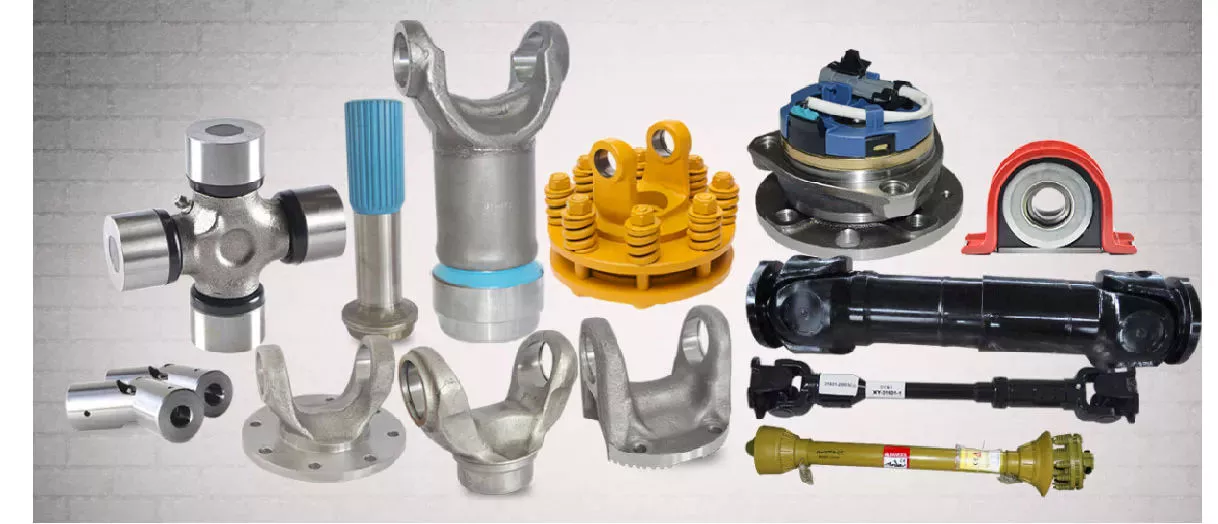
What factors should be considered when selecting the right drive shaft for an application?
When selecting the right drive shaft for an application, several factors need to be considered. The choice of drive shaft plays a crucial role in ensuring efficient and reliable power transmission. Here are the key factors to consider:
1. Power and Torque Requirements:
The power and torque requirements of the application are essential considerations. It is crucial to determine the maximum torque that the drive shaft will need to transmit without failure or excessive deflection. This includes evaluating the power output of the engine or power source, as well as the torque demands of the driven components. Selecting a drive shaft with the appropriate diameter, material strength, and design is essential to ensure it can handle the expected torque levels without compromising performance or safety.
2. Operating Speed:
The operating speed of the drive shaft is another critical factor. The rotational speed affects the dynamic behavior of the drive shaft, including the potential for vibration, resonance, and critical speed limitations. It is important to choose a drive shaft that can operate within the desired speed range without encountering excessive vibrations or compromising the structural integrity. Factors such as the material properties, balance, and critical speed analysis should be considered to ensure the drive shaft can handle the required operating speed effectively.
3. Length and Alignment:
The length and alignment requirements of the application must be considered when selecting a drive shaft. The distance between the engine or power source and the driven components determines the required length of the drive shaft. In situations where there are significant variations in length or operating angles, telescopic drive shafts or multiple drive shafts with appropriate couplings or universal joints may be necessary. Proper alignment of the drive shaft is crucial to minimize vibrations, reduce wear and tear, and ensure efficient power transmission.
4. Space Limitations:
The available space within the application is an important factor to consider. The drive shaft must fit within the allocated space without interfering with other components or structures. It is essential to consider the overall dimensions of the drive shaft, including length, diameter, and any additional components such as joints or couplings. In some cases, custom or compact drive shaft designs may be required to accommodate space limitations while maintaining adequate power transmission capabilities.
5. Environmental Conditions:
The environmental conditions in which the drive shaft will operate should be evaluated. Factors such as temperature, humidity, corrosive agents, and exposure to contaminants can impact the performance and lifespan of the drive shaft. It is important to select materials and coatings that can withstand the specific environmental conditions to prevent corrosion, degradation, or premature failure of the drive shaft. Special considerations may be necessary for applications exposed to extreme temperatures, water, chemicals, or abrasive substances.
6. Application Type and Industry:
The specific application type and industry requirements play a significant role in drive shaft selection. Different industries, such as automotive, aerospace, industrial machinery, agriculture, or marine, have unique demands that need to be addressed. Understanding the specific needs and operating conditions of the application is crucial in determining the appropriate drive shaft design, materials, and performance characteristics. Compliance with industry standards and regulations may also be a consideration in certain applications.
7. Maintenance and Serviceability:
The ease of maintenance and serviceability should be taken into account. Some drive shaft designs may require periodic inspection, lubrication, or replacement of components. Considering the accessibility of the drive shaft and associated maintenance requirements can help minimize downtime and ensure long-term reliability. Easy disassembly and reassembly of the drive shaft can also be beneficial for repair or component replacement.
By carefully considering these factors, one can select the right drive shaft for an application that meets the power transmission needs, operating conditions, and durability requirements, ultimately ensuring optimal performance and reliability.
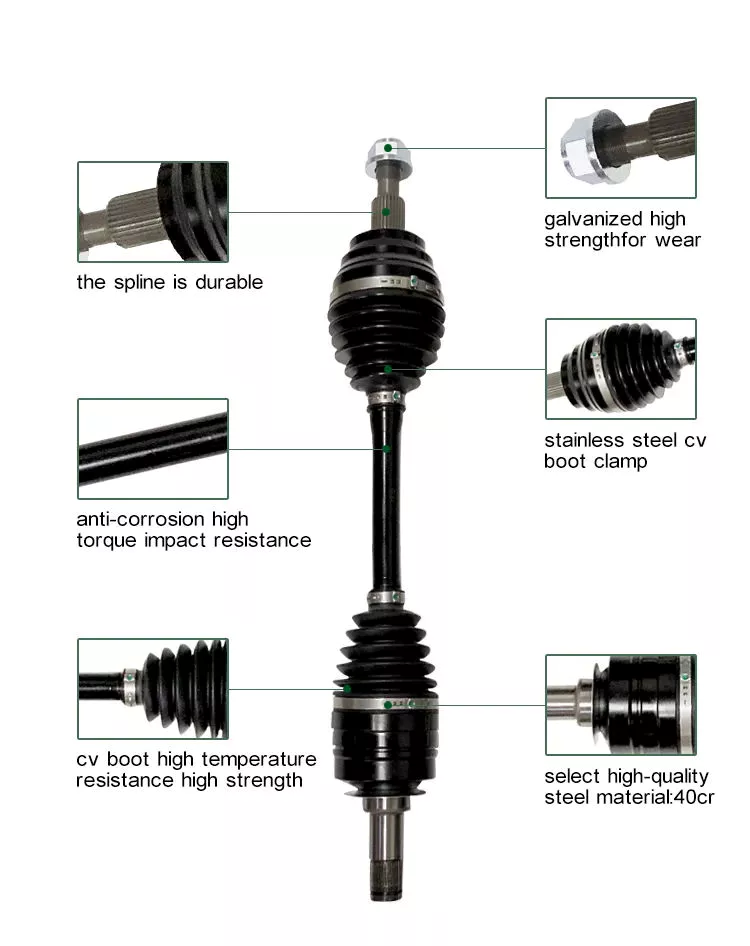
传动轴如何提升汽车和卡车的性能?
传动轴在提升汽车和卡车的性能方面发挥着重要作用。它们影响车辆性能的各个方面,包括动力输出、牵引力、操控性和整体效率。以下详细解释传动轴如何提升汽车和卡车的性能:
1. 功率输出:
传动轴负责将发动机的动力传递到车轮,使车辆能够前进。通过高效地传递动力,减少动力损失,传动轴确保发动机的动力得到有效利用,从而提升加速性能和整体动力表现。设计精良、动力损失最小的传动轴有助于车辆高效地将动力传递到车轮。
2. 扭矩传递:
传动轴负责将发动机的扭矩传递到车轮。扭矩是驱动车辆前进的旋转力。高质量的传动轴具备良好的扭矩转换能力,确保发动机产生的扭矩能够有效地传递到车轮。这增强了车辆的加速性能、牵引重物的能力以及爬坡能力,从而提升了车辆的整体性能。
3. 牵引力和稳定性:
传动轴对汽车和卡车的牵引力和稳定性至关重要。它们将动力传递至车轮,使车轮能够对路面施加作用力。这使得车辆能够保持牵引力,尤其是在加速或在湿滑或不平坦的路面上行驶时。通过传动轴高效传递动力,确保动力均衡分配至所有车轮,从而增强车辆的稳定性,并改善操控性。
4. 操控性和机动性:
传动轴对车辆的操控性和机动性有着重要影响。它们有助于建立发动机和车轮之间的直接连接,从而实现精准控制和灵敏操控。设计精良、间隙或反冲最小的传动轴有助于对驾驶员的操作做出更直接、更迅速的响应,从而提升车辆的灵活性和机动性。
5. 减轻体重:
传动轴有助于减轻汽车和卡车的重量。采用铝或碳纤维增强复合材料等材料制成的轻质传动轴可以降低车辆的整体重量。重量的减轻提高了功率重量比,从而改善了加速性能、操控性和燃油效率。此外,轻质传动轴还能降低旋转惯量,使发动机转速提升更快,进一步提升性能。
6. 机械效率:
高效的传动轴能够最大限度地减少动力传输过程中的能量损失。通过采用高质量轴承、低摩擦密封件和优化润滑等设计,传动轴可以降低摩擦,并最大限度地减少因内部阻力造成的动力损失。这提高了传动系统的机械效率,使更多动力传递至车轮,从而提升车辆的整体性能。
7. 性能升级:
对于汽车爱好者来说,升级传动轴是一种常见的性能提升方式。升级后的传动轴,例如采用强度更高的材料制成或扭矩容量更大的传动轴,可以承受改装发动机更高的动力输出。这些升级可以提升车辆性能,例如改善加速性能、提高最高速度以及改善整体驾驶动态性能。
8. 与性能改进的兼容性:
性能改装,例如发动机升级、提升动力输出或改变传动系统,通常需要匹配的传动轴。专为承受更高扭矩负载或适应改装后的传动系统配置而设计的传动轴,可确保最佳性能和可靠性。它们使车辆能够有效地利用增加的动力和扭矩,从而提升性能和响应速度。
9. 耐用性和可靠性:
坚固耐用且维护良好的传动轴有助于提高汽车和卡车的耐用性和可靠性。它们的设计旨在承受动力传输过程中产生的应力和负载。优质的材料、适当的平衡和定期维护有助于确保传动轴平稳运行,最大限度地降低故障或性能问题的风险。可靠的传动轴通过提供稳定的动力输出和最大限度地减少停机时间来提升整体性能。
10. 与先进技术的兼容性:
传动轴正随着车辆技术的进步而不断发展。它们越来越多地与混合动力系统、电动机和能量回收制动等先进系统集成。专为与这些技术无缝协作而设计的传动轴能够最大限度地提高效率和性能优势,从而提升车辆的整体性能。
总而言之,传动轴通过优化动力输出、促进扭矩传递、提升牵引力和稳定性、增强操控性和机动性、减轻重量、提高机械效率以及兼容性能升级和先进技术,从而提升汽车和卡车的性能。它们在确保高效动力传输、灵敏加速、精准操控以及车辆整体性能提升方面发挥着至关重要的作用。
传动轴在各种应用中如何传递旋转动力?
在各种应用中,传动轴在将发动机或动力源的旋转动力传递到车轮或被驱动部件方面起着至关重要的作用。无论是在车辆还是机械中,传动轴都能实现高效的动力传输,并促进不同系统的运行。以下详细解释了传动轴如何传递旋转动力:
1. 车辆应用:
在车辆中,传动轴负责将发动机的旋转动力传递到车轮,使车辆能够行驶。传动轴连接变速箱或传动装置的输出轴和差速器,差速器再将动力分配到车轮。发动机产生扭矩后,扭矩通过传动轴传递到车轮,推动车辆前进。这种动力传递使车辆能够加速、保持速度并克服阻力,例如摩擦力和坡度。
2. 机械应用:
在机械设备中,传动轴用于将发动机或电动机的旋转动力传递到各种驱动部件。例如,在工业机械中,传动轴可用于将动力传递给泵、发电机、传送带或其他机械系统。在农业机械中,传动轴通常用于连接动力源和收割机、打捆机或灌溉系统等设备。传动轴通过将旋转动力传递给必要的部件,使这些机器能够执行其预期功能。
3. 动力传输:
传动轴旨在高效可靠地传递旋转动力。它们能够将发动机产生的强大扭矩传递至车轮或被驱动部件。发动机产生的扭矩通过传动轴传递,几乎没有动力损失。通过保持发动机与被驱动部件之间的刚性连接,传动轴确保发动机产生的动力能够有效地用于完成有用的工作。
4. 柔性联轴器:
传动轴的关键功能之一是提供发动机/变速器与车轮或被驱动部件之间的柔性连接。这种柔性使传动轴能够适应角度运动,并补偿发动机与被驱动系统之间的不对中。在车辆中,当悬架系统运动或车轮遇到不平坦的路面时,传动轴会调整其长度和角度,以保持恒定的动力传输。这种柔性有助于防止传动系统部件承受过大的压力,并确保动力传输的平稳性。
5. 扭矩和速度传递:
传动轴负责传递扭矩和转速。扭矩是指发动机或动力源产生的旋转力,而转速是指每分钟的转数(RPM)。传动轴必须能够承受应用所需的扭矩,且不会过度扭曲或弯曲。此外,它们还需要保持所需的转速,以确保被驱动部件的正常运转。传动轴的合理设计、材料选择和平衡有助于实现高效的扭矩和转速传递。
6. 长度和平衡:
传动轴的长度和平衡是影响其性能的关键因素。传动轴的长度取决于发动机或动力源与被驱动部件之间的距离。其尺寸应适当,以避免过度振动或弯曲。传动轴经过精心平衡,以最大限度地减少振动和旋转不平衡,这些因素会影响传动系统的整体性能、舒适性和使用寿命。
7. 安全和维护:
传动轴需要采取适当的安全措施并定期维护。在车辆中,传动轴通常被包裹在保护管或壳体内,以防止与运动部件接触,从而降低受伤风险。在机械设备中,裸露的传动轴周围也可能安装安全护罩或防护装置,以保护操作人员免受潜在危险。定期维护包括检查传动轴的磨损、损坏或错位情况,并确保万向节得到充分润滑。这些措施有助于预防故障,确保最佳性能,并延长传动轴的使用寿命。
总而言之,传动轴在各种应用中传递旋转动力方面发挥着至关重要的作用。无论是在车辆还是机械中,传动轴都能实现从发动机或动力源到车轮或被驱动部件的高效动力传输。它们提供柔性联轴器,处理扭矩和速度传递,适应角度运动,并有助于系统的安全性和维护。通过有效地传递旋转动力,传动轴促进了众多行业中车辆和机械的运行和性能。


editor by CX 2024-04-13