产品描述
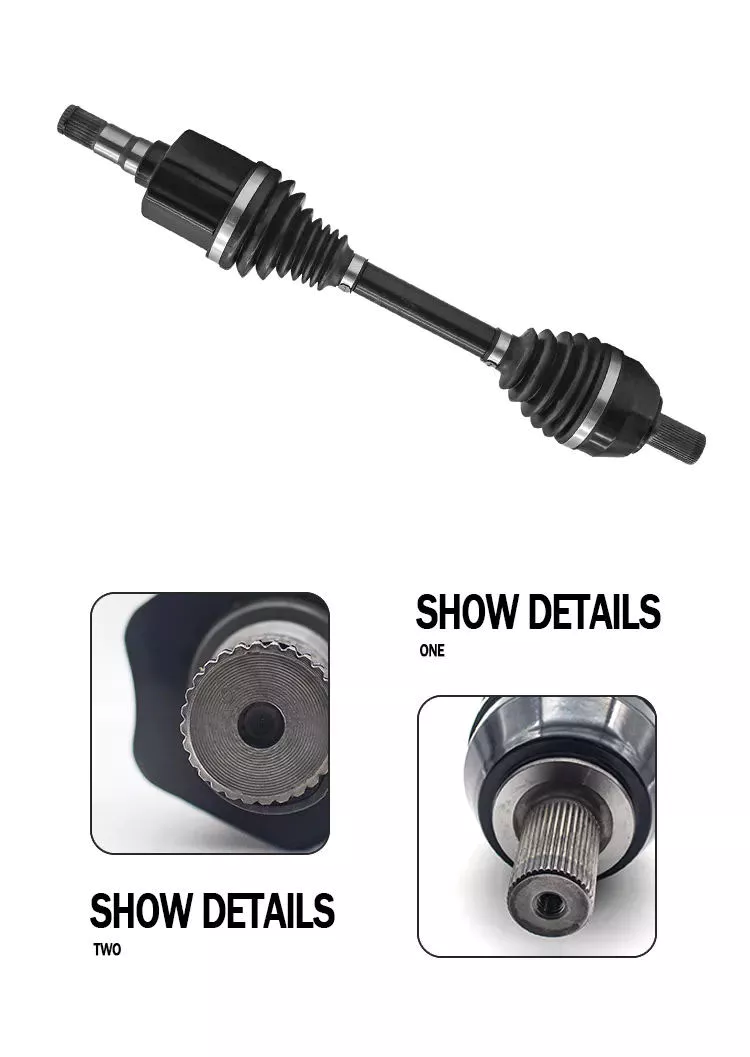
CNC high efficiency Carbon alloy precision transmission spline gear drive shaft
Muyang machinery is a manufacturer with the capability of comprehensive services of casting, forging and machining, committed to the production of customized parts. Since established in 2002 (former Miaosen Machinery Co., Ltd), we’ve been supplying to the global market for over 15 years, served industries include automotive, railway, gas and oil, medical machinery, construction machinery, gym equipment, etc.
|
Capability |
CNC machining center – MAX size: 600*1200*500mm General tolerance: ±0.005mm Machine qty: 6 sets CNC Milling – MAX size: 1200*500mm General tolerance: ±0.02mm Machine qty: 12 sets CNC turning – MAX size: φ0.5-φ800*1000mm General tolerance: ±0.005mm Machine qty: 35 sets |
|
Service: |
CNC turning, CNC milling, CNC grinding, CNC lathe machining, CNC boring, CNC drilling, CNC tapping, surface treatment etc. |
|
Material available |
Stainless steel: SS201, SSS301, SS303, SS304, SS316, SS416, SS440C etc. Steel: Mild steel, Carbon steel, 4140, 4340, Q235, Q345B, 20#, 45# Brass/Bronze: HPb63, HPb62, HPb61, HPb59, H59, H68, H80, H90, C360, C260, C932 Copper: C11000, C12000, C36000 Aluminum: AL2017, AL2571, AL5052, AL5083, AL6061, AL6063, AL6082, AL7075 Iron: A36, 45#, 1213, 1214, 1215 Others per customers’ requirements |
|
Surface finish |
Aluminum alloy: Clear anodized, color anodized, sand blast anodized, hard anodized, brushing, polishing, powder coated and painting Brass/copper/steel: Nickel plating, chrome plating Steel/Stainless steel: Zinc plating, oxide black, carburized, heat treatment, nitriding |
|
Measuring tools |
Micrometer, calipers, thread tools, high guage, trapezoidal thread plug gauge, sclerometer, dial indicator, projector |
We promise our clients careful, safe and tight package for exporting!
标准 packing: pearl cotton/bubble bag + carton box + pallet/wooden box
Special packing: custom packaging + wooden box
FAQ:
1. Are you a manufacturer or trading company?
We’re a manufacturer with self-export rights.
2. What’s your main business?
Our main business is custom metal parts processed by CNC machining, casting, forging etc., served industries including railway, automobile, construction machinery, gym equipment, water gas and oil.
3. Directly get to CONTACT or send your product drawing/inquiries to email, we will reply within 0.5 hour.
/* January 22, 2571 19:08:37 */!function(){function s(e,r){var a,o={};try{e&&e.split(“,”).forEach(function(e,t){e&&(a=e.match(/(.*?):(.*)$/))&&1
| Application: | Fastener, Auto and Motorcycle Accessory, Hardware Tool, Machinery Accessory, Brass Valve, Machinery, Gas and Oil etc. |
|---|---|
| Standard: | GB, EN, API650, China GB Code, JIS Code, TEMA, ASME |
| Surface Treatment: | Original |
| Production Type: | Mass Production |
| Machining Method: | CNC Machining |
| Material: | Steel, Brass, Alloy, Copper, Aluminum, Iron |
| Customization: |
可用的
| Customized Request |
|---|
传动轴有哪些局限性或缺点?
虽然传动轴应用广泛且具有诸多优点,但也存在一些需要考虑的局限性和缺点。以下是对传动轴局限性和缺点的详细说明:
1. 长度和错位约束:
由于材料强度、重量以及保持刚性和最大限度减少振动等因素的限制,传动轴的长度存在一个最大实际长度。过长的传动轴更容易发生弯曲和扭转变形,从而导致效率降低和潜在的传动系统振动。此外,传动轴的驱动部件和从动部件之间必须保持正确的对准。对准不良会导致磨损加剧、振动增加,并可能导致传动轴或其相关部件过早失效。
2. 操作角度有限:
传动轴,尤其是使用万向节的传动轴,其工作角度存在限制。万向节通常设计在特定的角度范围内运行,超出这些限制会导致效率降低、振动增大和磨损加速。在需要较大工作角度的应用中,通常使用等速万向节(CV接头)来保持恒定转速并适应更大的角度。然而,与万向节相比,等速万向节可能会增加结构的复杂性和成本。
3. 维护要求:
传动轴需要定期维护以确保最佳性能和可靠性。这包括定期检查、润滑接头以及必要时的动平衡。未能进行日常维护会导致磨损加剧、振动以及潜在的传动系统问题。在各种应用中使用传动轴时,应考虑维护所需的时间和资源。
4. 噪音和振动:
传动轴会产生噪音和振动,尤其是在高速运转或以特定共振频率运行时。不平衡、不对中、接头磨损或其他因素都会导致噪音和振动加剧。这些振动会影响车内乘员的舒适度,加剧部件疲劳,并需要采取减震器或隔振系统等额外措施来减轻其影响。
5. 重量和空间限制:
传动轴会增加整个系统的重量,这在对重量敏感的应用中是一个需要考虑的因素,例如汽车或航空航天行业。此外,传动轴的安装需要一定的物理空间。在结构紧凑或空间狭小的设备或车辆中,要满足所需的传动轴长度和间隙可能具有挑战性,需要仔细的设计和集成考虑。
6. 成本考量:
传动轴的成本取决于其设计、材料和制造工艺。为满足特定设备需求而定制或专用的传动轴可能需要更高的费用。此外,采用先进的连接结构,例如等速万向节,也会增加传动轴系统的复杂性和成本。
7.固有功率损耗:
传动轴将动力从驱动源传递到被驱动部件,但由于摩擦、弯曲和其他因素,也会造成一定的功率损耗。这种功率损耗会降低系统的整体效率,尤其是在长传动轴或高扭矩应用中。因此,在确定合适的传动轴设计和规格时,必须考虑功率损耗。
8. 扭矩容量有限:
虽然传动轴可以承受各种扭矩负载,但其扭矩容量是有限的。超过传动轴的最大扭矩容量会导致其过早失效,造成停机,并可能损坏传动系统的其他部件。因此,选择扭矩容量足以满足预期用途的传动轴至关重要。
尽管存在这些局限性和缺点,传动轴仍然是各行各业广泛使用且高效的动力传输方式。制造商不断致力于通过材料、设计技术、接头结构和平衡工艺的改进来克服这些局限性。通过仔细考虑具体的应用需求和潜在的缺点,工程师和设计师可以减轻这些局限性,并在各自的系统中最大限度地发挥传动轴的优势。

How do drive shafts contribute to the efficiency of vehicle propulsion and power transmission?
Drive shafts play a crucial role in the efficiency of vehicle propulsion and power transmission systems. They are responsible for transferring power from the engine or power source to the wheels or driven components. Here’s a detailed explanation of how drive shafts contribute to the efficiency of vehicle propulsion and power transmission:
1. Power Transfer:
Drive shafts transmit power from the engine or power source to the wheels or driven components. By efficiently transferring rotational energy, drive shafts enable the vehicle to move forward or drive the machinery. The design and construction of drive shafts ensure minimal power loss during the transfer process, maximizing the efficiency of power transmission.
2. Torque Conversion:
Drive shafts can convert torque from the engine or power source to the wheels or driven components. Torque conversion is necessary to match the power characteristics of the engine with the requirements of the vehicle or machinery. Drive shafts with appropriate torque conversion capabilities ensure that the power delivered to the wheels is optimized for efficient propulsion and performance.
3. Constant Velocity (CV) Joints:
Many drive shafts incorporate Constant Velocity (CV) joints, which help maintain a constant speed and efficient power transmission, even when the driving and driven components are at different angles. CV joints allow for smooth power transfer and minimize vibration or power losses that may occur due to changing operating angles. By maintaining constant velocity, drive shafts contribute to efficient power transmission and improved overall vehicle performance.
4. Lightweight Construction:
Efficient drive shafts are often designed with lightweight materials, such as aluminum or composite materials. Lightweight construction reduces the rotational mass of the drive shaft, which results in lower inertia and improved efficiency. Reduced rotational mass enables the engine to accelerate and decelerate more quickly, allowing for better fuel efficiency and overall vehicle performance.
5. Minimized Friction:
Efficient drive shafts are engineered to minimize frictional losses during power transmission. They incorporate features such as high-quality bearings, low-friction seals, and proper lubrication to reduce energy losses caused by friction. By minimizing friction, drive shafts enhance power transmission efficiency and maximize the available power for propulsion or operating other machinery.
6. Balanced and Vibration-Free Operation:
Drive shafts undergo dynamic balancing during the manufacturing process to ensure smooth and vibration-free operation. Imbalances in the drive shaft can lead to power losses, increased wear, and vibrations that reduce overall efficiency. By balancing the drive shaft, it can spin evenly, minimizing vibrations and optimizing power transmission efficiency.
7. Maintenance and Regular Inspection:
Proper maintenance and regular inspection of drive shafts are essential for maintaining their efficiency. Regular lubrication, inspection of joints and components, and prompt repair or replacement of worn or damaged parts help ensure optimal power transmission efficiency. Well-maintained drive shafts operate with minimal friction, reduced power losses, and improved overall efficiency.
8. Integration with Efficient Transmission Systems:
Drive shafts work in conjunction with efficient transmission systems, such as manual, automatic, or continuously variable transmissions. These transmissions help optimize power delivery and gear ratios based on driving conditions and vehicle speed. By integrating with efficient transmission systems, drive shafts contribute to the overall efficiency of the vehicle propulsion and power transmission system.
9. Aerodynamic Considerations:
In some cases, drive shafts are designed with aerodynamic considerations in mind. Streamlined drive shafts, often used in high-performance or electric vehicles, minimize drag and air resistance to improve overall vehicle efficiency. By reducing aerodynamic drag, drive shafts contribute to the efficient propulsion and power transmission of the vehicle.
10. Optimized Length and Design:
Drive shafts are designed to have optimal lengths and designs to minimize energy losses. Excessive drive shaft length or improper design can introduce additional rotational mass, increase bending stresses, and result in energy losses. By optimizing the length and design, drive shafts maximize power transmission efficiency and contribute to improved overall vehicle efficiency.
Overall, drive shafts contribute to the efficiency of vehicle propulsion and power transmission through effective power transfer, torque conversion, utilization of CV joints, lightweight construction, minimized friction, balanced operation, regular maintenance, integration with efficient transmission systems, aerodynamic considerations, and optimized length and design. By ensuring efficient power delivery and minimizing energy losses, drive shafts play a significant role in enhancing the overall efficiency and performance of vehicles and machinery.

什么是传动轴?它在车辆和机械中是如何工作的?
传动轴,也称螺旋桨轴或驱动轴,是一种机械部件,在将发动机的旋转动力传递到车辆和机械的车轮或其他驱动部件的过程中起着至关重要的作用。它广泛应用于各种类型的车辆,包括汽车、卡车、摩托车以及农业或工业机械。以下是对传动轴及其工作原理的详细解释:
1. 定义和构成: 传动轴是一根圆柱形金属管,连接发动机或动力源与车轮或被驱动部件。它通常由钢或铝制成,包含一个或多个管状部分,两端均设有万向节(U型接头)。这些万向节允许传动轴进行角度运动,并补偿发动机/变速器与被驱动车轮或部件之间的偏差。
2. 动力传输: 传动轴的主要功能是将发动机或动力源的旋转动力传递到车轮或被驱动部件。在车辆中,传动轴连接变速器或齿轮箱的输出轴和差速器,差速器再将动力传递到车轮。在机械中,传动轴将发动机或电动机的动力传递到各种被驱动部件,例如泵、发电机或其他机械系统。
3. 扭矩和速度: 传动轴负责传递扭矩和转速。扭矩是指发动机或动力源产生的旋转力,而转速是指每分钟的转数(RPM)。传动轴必须能够在传递所需扭矩的同时避免过度扭转或弯曲,并保持所需的转速,以确保被驱动部件的高效运行。
4. 柔性联轴器: 传动轴上的万向节提供了一种柔性连接,允许发动机/变速箱与驱动轮或部件之间进行角度运动并补偿不对中。当车辆悬架系统运动或机械在不平坦的路面上运行时,传动轴可以调整其长度和角度以适应这些运动,从而确保动力平稳传输并防止传动系统部件损坏。
5. 长度和平衡: 传动轴的长度取决于发动机或动力源与驱动轮或部件之间的距离。其尺寸应适当,以确保动力传输顺畅,并避免过度振动或弯曲。此外,传动轴经过精心平衡,以最大限度地减少振动和旋转不平衡,这些因素会导致不适感、效率降低,并造成传动系统部件过早磨损。
6. 安全注意事项: 车辆和机械中的传动轴需要采取适当的安全措施。在车辆中,传动轴通常被包裹在保护管或壳体内,以防止与运动部件接触,并降低发生故障或失效时造成人身伤害的风险。此外,在机械中,裸露的传动轴周围通常会安装安全护罩或防护装置,以保护操作人员免受旋转部件可能造成的危险。
7. 维护和检查: 定期维护和检查传动轴对于确保其正常运转和延长使用寿命至关重要。这包括检查万向节是否有磨损、损坏或过大间隙,检查传动轴是否有裂纹或变形,并按照制造商的建议润滑万向节。正确的维护有助于预防故障,确保最佳性能,并延长传动轴的使用寿命。
总而言之,传动轴是一种机械部件,它将发动机或动力源的旋转动力传递到车辆和机械的车轮或被驱动部件。它通过在发动机/变速器和被驱动车轮或部件之间提供刚性连接来发挥作用,同时允许角度运动并通过万向节补偿不对中。传动轴在动力传输、扭矩和速度传递、柔性联轴器、长度和平衡、安全性和维护要求等方面都起着至关重要的作用。其正常运转对于车辆和机械的平稳高效运行至关重要。


editor by CX 2024-04-09