Описание на продукта
T4-660-01B-07G-YIIIP Agriculture PTO Drive Shaft for Earth Mover and Potato Harvester
| Product: | PTO Drive Shaft |
| Модел: | T4-660-01B-07G-YIIIP |
| Size: | φ27*74.6 Length 660mm |
| Raw Material: | 45# Steel |
| Твърдост: | 58-64HRC |
| Delivery Date: | 7-60 Days |
| MOQ: | 100 sets or according to stocks without minimum Qty. |
| Sample: | Приемливо |
| We could produce all kinds of PTO Drive Shaft and Parts according to customers’ requirement. | |
| REF. | UJ | L.mm |
| T4-660-01B-07G-YIIIP | ø27*74.6 | 660 |
About us
We have more than 17 years experience of Spare parts, especially on Drive Line Parts.
We deeply participant in the Auto Spare parts business in HangZhou city which is the most import spare parts production area in China.
We are supply products with good cost performance for different customers of all over the world.
We keep very good relationship with local produces with the WIN-WIN-WIN policy.
Factory supply good and fast products;
We supply good and fast service;
And Customers gain the good products and good service for their customers.
This is a healthy and strong equilateral triangle keep HangZhou Speedway going forward until now.
/* 22 януари 2571 19:08:37 */!function(){function s(e,r){var a,o={};try{e&&e.split(“,”).forEach(function(e,t){e&&(a=e.match(/(.*?):(.*)$/))&&1
| Тип: | Transmission |
|---|---|
| Usage: | Tillage, Harvester, Planting and Fertilization |
| Материал: | 45# Steel |
| Power Source: | Diesel |
| Тегло: | 8 |
| After-sales Service: | Онлайн поддръжка |
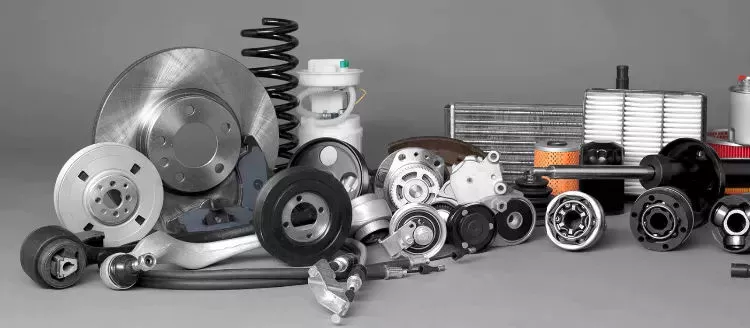
Can drive shafts be adapted for use in both automotive and industrial settings?
Yes, drive shafts can be adapted for use in both automotive and industrial settings. While there may be some differences in design and specifications based on the specific application requirements, the fundamental principles and functions of drive shafts remain applicable in both contexts. Here’s a detailed explanation:
1. Power Transmission:
Drive shafts serve the primary purpose of transmitting rotational power from a power source, such as an engine or motor, to driven components, which can be wheels, machinery, or other mechanical systems. This fundamental function applies to both automotive and industrial settings. Whether it’s delivering power to the wheels of a vehicle or transferring torque to industrial machinery, the basic principle of power transmission remains the same for drive shafts in both contexts.
2. Съображения при проектирането:
While there may be variations in design based on specific applications, the core design considerations for drive shafts are similar in both automotive and industrial settings. Factors such as torque requirements, operating speeds, length, and material selection are taken into account in both cases. Automotive drive shafts are typically designed to accommodate the dynamic nature of vehicle operation, including variations in speed, angles, and suspension movement. Industrial drive shafts, on the other hand, may be designed for specific machinery and equipment, taking into consideration factors such as load capacity, operating conditions, and alignment requirements. However, the underlying principles of ensuring proper dimensions, strength, and balance are essential in both automotive and industrial drive shaft designs.
3. Material Selection:
The material selection for drive shafts is influenced by the specific requirements of the application, whether in automotive or industrial settings. In automotive applications, drive shafts are commonly made from materials such as steel or aluminum alloys, chosen for their strength, durability, and ability to withstand varying operating conditions. In industrial settings, drive shafts may be made from a broader range of materials, including steel, stainless steel, or even specialized alloys, depending on factors such as load capacity, corrosion resistance, or temperature tolerance. The material selection is tailored to meet the specific needs of the application while ensuring efficient power transfer and durability.
4. Joint Configurations:
Both automotive and industrial drive shafts may incorporate various joint configurations to accommodate the specific requirements of the application. Universal joints (U-joints) are commonly used in both contexts to allow for angular movement and compensate for misalignment between the drive shaft and driven components. Constant velocity (CV) joints are also utilized, particularly in automotive drive shafts, to maintain a constant velocity of rotation and accommodate varying operating angles. These joint configurations are adapted and optimized based on the specific needs of automotive or industrial applications.
5. Maintenance and Service:
While maintenance practices may vary between automotive and industrial settings, the importance of regular inspection, lubrication, and balancing remains crucial in both cases. Both automotive and industrial drive shafts benefit from periodic maintenance to ensure optimal performance, identify potential issues, and prolong the lifespan of the drive shafts. Lubrication of joints, inspection for wear or damage, and balancing procedures are common maintenance tasks for drive shafts in both automotive and industrial applications.
6. Customization and Adaptation:
Drive shafts can be customized and adapted to meet the specific requirements of various automotive and industrial applications. Manufacturers often offer drive shafts with different lengths, diameters, and joint configurations to accommodate a wide range of vehicles or machinery. This flexibility allows for the adaptation of drive shafts to suit the specific torque, speed, and dimensional requirements of different applications, whether in automotive or industrial settings.
In summary, drive shafts can be adapted for use in both automotive and industrial settings by considering the specific requirements of each application. While there may be variations in design, materials, joint configurations, and maintenance practices, the fundamental principles of power transmission, design considerations, and customization options remain applicable in both contexts. Drive shafts play a crucial role in both automotive and industrial applications, enabling efficient power transfer and reliable operation in a wide range of mechanical systems.

Как карданните валове подобряват производителността на автомобили и камиони?
Карданните валове играят важна роля за подобряване на производителността на автомобили и камиони. Те допринасят за различни аспекти на производителността на превозното средство, включително подаване на мощност, сцепление, управление и обща ефективност. Ето подробно обяснение за това как карданните валове подобряват производителността на автомобили и камиони:
1. Доставка на енергия: Задвижващите валове са отговорни за предаването на мощност от двигателя към колелата, което позволява на превозното средство да се движи напред. Чрез ефикасно предаване на мощност без значителни загуби, задвижващите валове гарантират, че мощността на двигателя се използва ефективно, което води до подобрено ускорение и цялостна производителност. Добре проектираните задвижващи валове с минимална загуба на мощност допринасят за способността на превозното средство да доставя мощност към колелата ефективно.
2. Пренос на въртящ момент: Задвижващите валове улесняват прехвърлянето на въртящ момент от двигателя към колелата. Въртящият момент е ротационната сила, която задвижва превозното средство напред. Висококачествените задвижващи валове с подходящи възможности за преобразуване на въртящия момент гарантират, че въртящият момент, генериран от двигателя, се предава ефективно към колелата. Това подобрява способността на превозното средство да ускорява бързо, да тегли тежки товари и да изкачва стръмни наклони, като по този начин подобрява цялостната производителност.
3. Сцепление и стабилност: Задвижващите валове допринасят за сцеплението и стабилността на автомобили и камиони. Те предават мощност на колелата, позволявайки им да упражняват сила върху пътната настилка. Това позволява на превозното средство да поддържа сцепление, особено по време на ускорение или при шофиране по хлъзгав или неравен терен. Ефективното подаване на мощност през задвижващите валове подобрява стабилността на превозното средство, като осигурява балансирано разпределение на мощността към всички колела, подобрявайки контрола и управлението.
4. Управление и маневреност: Карданните валове оказват влияние върху управлението и маневреността на превозните средства. Те помагат за установяване на директна връзка между двигателя и колелата, което позволява прецизен контрол и бързо реагиране. Добре проектираните карданови валове с минимален луфт или хлабина допринасят за по-директна и незабавна реакция на командите на водача, подобрявайки пъргавината и маневреността на автомобила.
5. Намаляване на теглото: Задвижващите валове могат да допринесат за намаляване на теглото на автомобилите и камионите. Леките задвижващи валове, изработени от материали като алуминий или композити, подсилени с въглеродни влакна, намаляват общото тегло на превозното средство. Намаленото тегло подобрява съотношението мощност-тегло, което води до по-добро ускорение, управление и горивна ефективност. Освен това, леките задвижващи валове намаляват ротационната маса, позволявайки на двигателя да се разгорещява по-бързо, което допълнително подобрява производителността.
6. Механична ефективност: Ефективните задвижващи валове минимизират загубите на енергия по време на предаване на мощност. Чрез включването на характеристики като висококачествени лагери, уплътнения с ниско триене и оптимизирано смазване, задвижващите валове намаляват триенето и минимизират загубите на мощност, дължащи се на вътрешно съпротивление. Това повишава механичната ефективност на задвижващата система, позволявайки на повече мощност да достигне до колелата и подобрява цялостните характеристики на автомобила.
7. Подобрения в производителността: Подобренията на карданните валове могат да бъдат популярни подобрения на производителността сред ентусиастите. Подобрените карданови валове, като например тези, изработени от по-здрави материали или с подобрен въртящ момент, могат да се справят с по-висока мощност от модифицирани двигатели. Тези подобрения позволяват повишена производителност, като например подобрено ускорение, по-високи максимални скорости и по-добра обща динамика на шофиране.
8. Съвместимост с модификации на производителността: Модификациите на производителността, като например подобрения на двигателя, увеличена мощност или промени в системата на задвижване, често изискват съвместими карданови валове. Кардановите валове, проектирани да се справят с по-високи натоварвания с въртящ момент или да се адаптират към модифицирани конфигурации на задвижването, осигуряват оптимална производителност и надеждност. Те позволяват на превозното средство ефективно да използва увеличената мощност и въртящ момент, което води до подобрена производителност и отзивчивост.
9. Издръжливост и надеждност: Здравите и добре поддържани карданови валове допринасят за издръжливостта и надеждността на автомобилите и камионите. Те са проектирани да издържат на натоварванията и натоварванията, свързани с предаването на мощност. Висококачествените материали, подходящото балансиране и редовната поддръжка спомагат за осигуряването на безпроблемна работа на карданните валове, като минимизират риска от повреди или проблеми с производителността. Надеждните карданови валове подобряват цялостната производителност, като осигуряват постоянно подаване на мощност и минимизират времето за престой.
10. Съвместимост с модерни технологии: Карданните валове се развиват успоредно с напредъка в автомобилните технологии. Те все по-често се интегрират с усъвършенствани системи като хибридни силови агрегати, електрически двигатели и регенеративно спиране. Карданните валове, проектирани да работят безпроблемно с тези технологии, увеличават максимално тяхната ефективност и предимства в производителността, допринасяйки за подобряване на цялостната производителност на автомобила.
В обобщение, карданните валове подобряват производителността на автомобилите и камионите, като оптимизират подаването на мощност, улесняват предаването на въртящия момент, подобряват сцеплението и стабилността, подобряват управлението и маневреността, намаляват теглото, увеличават механичната ефективност, осигуряват съвместимост с подобрения в производителността и съвременни технологии, както и осигуряват издръжливост и надеждност. Те играят ключова роля за осигуряване на ефективно предаване на мощност, бързо ускорение, прецизно управление и цялостно подобрена производителност на превозните средства.
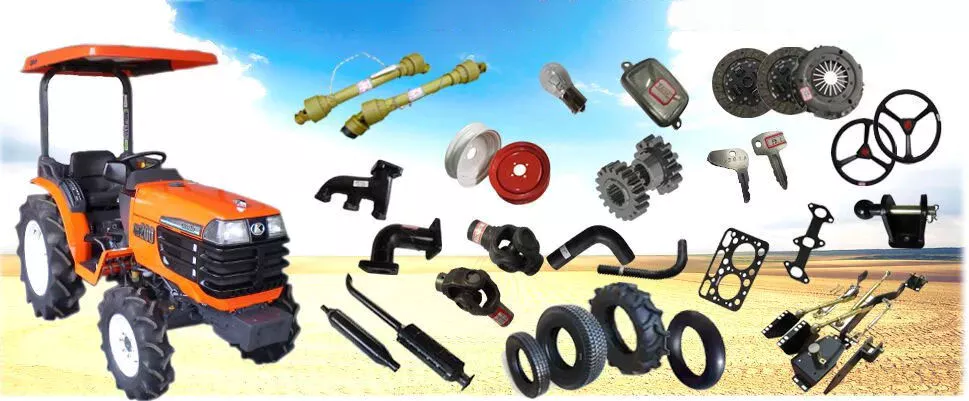
Are there variations in drive shaft designs for different types of machinery?
Yes, there are variations in drive shaft designs to cater to the specific requirements of different types of machinery. The design of a drive shaft is influenced by factors such as the application, power transmission needs, space limitations, operating conditions, and the type of driven components. Here’s an explanation of how drive shaft designs can vary for different types of machinery:
1. Automotive Applications:
In the automotive industry, drive shaft designs can vary depending on the vehicle’s configuration. Rear-wheel-drive vehicles typically use a single-piece or two-piece drive shaft, which connects the transmission or transfer case to the rear differential. Front-wheel-drive vehicles often use a different design, employing a drive shaft that combines with the constant velocity (CV) joints to transmit power to the front wheels. All-wheel-drive vehicles may have multiple drive shafts to distribute power to all wheels. The length, diameter, material, and joint types can differ based on the vehicle’s layout and torque requirements.
2. Industrial Machinery:
Drive shaft designs for industrial machinery depend on the specific application and power transmission requirements. In manufacturing machinery, such as conveyors, presses, and rotating equipment, drive shafts are designed to transfer power efficiently within the machine. They may incorporate flexible joints or use a splined or keyed connection to accommodate misalignment or allow for easy disassembly. The dimensions, materials, and reinforcement of the drive shaft are selected based on the torque, speed, and operating conditions of the machinery.
3. Agriculture and Farming:
Agricultural machinery, such as tractors, combines, and harvesters, often requires drive shafts that can handle high torque loads and varying operating angles. These drive shafts are designed to transmit power from the engine to attachments and implements, such as mowers, balers, tillers, and harvesters. They may incorporate telescopic sections to accommodate adjustable lengths, flexible joints to compensate for misalignment during operation, and protective shielding to prevent entanglement with crops or debris.
4. Construction and Heavy Equipment:
Construction and heavy equipment, including excavators, loaders, bulldozers, and cranes, require robust drive shaft designs capable of transmitting power in demanding conditions. These drive shafts often have larger diameters and thicker walls to handle high torque loads. They may incorporate universal joints or CV joints to accommodate operating angles and absorb shocks and vibrations. Drive shafts in this category may also have additional reinforcements to withstand the harsh environments and heavy-duty applications associated with construction and excavation.
5. Marine and Maritime Applications:
Drive shaft designs for marine applications are specifically engineered to withstand the corrosive effects of seawater and the high torque loads encountered in marine propulsion systems. Marine drive shafts are typically made from stainless steel or other corrosion-resistant materials. They may incorporate flexible couplings or dampening devices to reduce vibration and mitigate the effects of misalignment. The design of marine drive shafts also considers factors such as shaft length, diameter, and support bearings to ensure reliable power transmission in marine vessels.
6. Mining and Extraction Equipment:
In the mining industry, drive shafts are used in heavy machinery and equipment such as mining trucks, excavators, and drilling rigs. These drive shafts need to withstand extremely high torque loads and harsh operating conditions. Drive shaft designs for mining applications often feature larger diameters, thicker walls, and specialized materials such as alloy steel or composite materials. They may incorporate universal joints or CV joints to handle operating angles, and they are designed to be resistant to abrasion and wear.
These examples highlight the variations in drive shaft designs for different types of machinery. The design considerations take into account factors such as power requirements, operating conditions, space constraints, alignment needs, and the specific demands of the machinery or industry. By tailoring the drive shaft design to the unique requirements of each application, optimal power transmission efficiency and reliability can be achieved.


editor by CX 2024-05-16