
Descrizione del prodotto
T4-660-01B-07G-YIIIP Agriculture PTO Drive Shaft for Earth Mover and Potato Harvester
| Product: | PTO Drive Shaft |
| Modello: | T4-660-01B-07G-YIIIP |
| Size: | φ27*74.6 Length 660mm |
| Raw Material: | 45# Steel |
| Hardness: | 58-64HRC |
| Delivery Date: | 7-60 Days |
| MOQ: | 100 sets or according to stocks without minimum Qty. |
| Sample: | Acceptable |
| We could produce all kinds of PTO Drive Shaft and Parts according to customers’ requirement. | |
| REF. | UJ | L.mm |
| T4-660-01B-07G-YIIIP | ø27*74.6 | 660 |
About us
We have more than 17 years experience of Spare parts, especially on Drive Line Parts.
We deeply participant in the Auto Spare parts business in HangZhou city which is the most import spare parts production area in China.
We are supply products with good cost performance for different customers of all over the world.
We keep very good relationship with local produces with the WIN-WIN-WIN policy.
Factory supply good and fast products;
We supply good and fast service;
And Customers gain the good products and good service for their customers.
This is a healthy and strong equilateral triangle keep HangZhou Speedway going forward until now.
/* January 22, 2571 19:08:37 */!function(){function s(e,r){var a,o={};try{e&&e.split(“,”).forEach(function(e,t){e&&(a=e.match(/(.*?):(.*)$/))&&1
| Type: | Transmission |
|---|---|
| Usage: | Tillage, Harvester, Planting and Fertilization |
| Material: | 45# Steel |
| Power Source: | Diesel |
| Peso: | 8 |
| After-sales Service: | Assistenza online |
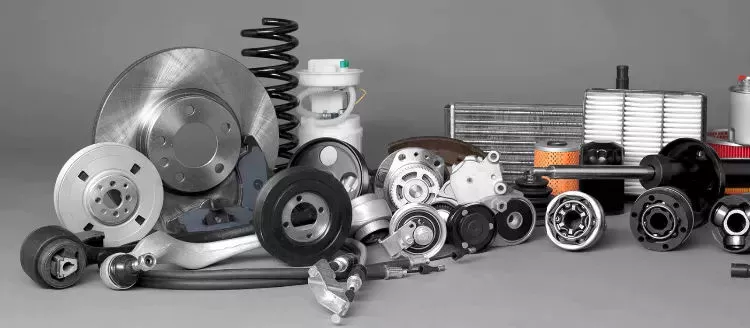
Can drive shafts be adapted for use in both automotive and industrial settings?
Yes, drive shafts can be adapted for use in both automotive and industrial settings. While there may be some differences in design and specifications based on the specific application requirements, the fundamental principles and functions of drive shafts remain applicable in both contexts. Here’s a detailed explanation:
1. Power Transmission:
Drive shafts serve the primary purpose of transmitting rotational power from a power source, such as an engine or motor, to driven components, which can be wheels, machinery, or other mechanical systems. This fundamental function applies to both automotive and industrial settings. Whether it’s delivering power to the wheels of a vehicle or transferring torque to industrial machinery, the basic principle of power transmission remains the same for drive shafts in both contexts.
2. Design Considerations:
While there may be variations in design based on specific applications, the core design considerations for drive shafts are similar in both automotive and industrial settings. Factors such as torque requirements, operating speeds, length, and material selection are taken into account in both cases. Automotive drive shafts are typically designed to accommodate the dynamic nature of vehicle operation, including variations in speed, angles, and suspension movement. Industrial drive shafts, on the other hand, may be designed for specific machinery and equipment, taking into consideration factors such as load capacity, operating conditions, and alignment requirements. However, the underlying principles of ensuring proper dimensions, strength, and balance are essential in both automotive and industrial drive shaft designs.
3. Material Selection:
The material selection for drive shafts is influenced by the specific requirements of the application, whether in automotive or industrial settings. In automotive applications, drive shafts are commonly made from materials such as steel or aluminum alloys, chosen for their strength, durability, and ability to withstand varying operating conditions. In industrial settings, drive shafts may be made from a broader range of materials, including steel, stainless steel, or even specialized alloys, depending on factors such as load capacity, corrosion resistance, or temperature tolerance. The material selection is tailored to meet the specific needs of the application while ensuring efficient power transfer and durability.
4. Joint Configurations:
Both automotive and industrial drive shafts may incorporate various joint configurations to accommodate the specific requirements of the application. Universal joints (U-joints) are commonly used in both contexts to allow for angular movement and compensate for misalignment between the drive shaft and driven components. Constant velocity (CV) joints are also utilized, particularly in automotive drive shafts, to maintain a constant velocity of rotation and accommodate varying operating angles. These joint configurations are adapted and optimized based on the specific needs of automotive or industrial applications.
5. Maintenance and Service:
While maintenance practices may vary between automotive and industrial settings, the importance of regular inspection, lubrication, and balancing remains crucial in both cases. Both automotive and industrial drive shafts benefit from periodic maintenance to ensure optimal performance, identify potential issues, and prolong the lifespan of the drive shafts. Lubrication of joints, inspection for wear or damage, and balancing procedures are common maintenance tasks for drive shafts in both automotive and industrial applications.
6. Customization and Adaptation:
Drive shafts can be customized and adapted to meet the specific requirements of various automotive and industrial applications. Manufacturers often offer drive shafts with different lengths, diameters, and joint configurations to accommodate a wide range of vehicles or machinery. This flexibility allows for the adaptation of drive shafts to suit the specific torque, speed, and dimensional requirements of different applications, whether in automotive or industrial settings.
In summary, drive shafts can be adapted for use in both automotive and industrial settings by considering the specific requirements of each application. While there may be variations in design, materials, joint configurations, and maintenance practices, the fundamental principles of power transmission, design considerations, and customization options remain applicable in both contexts. Drive shafts play a crucial role in both automotive and industrial applications, enabling efficient power transfer and reliable operation in a wide range of mechanical systems.

In che modo gli alberi di trasmissione migliorano le prestazioni di automobili e camion?
Gli alberi di trasmissione svolgono un ruolo fondamentale nel migliorare le prestazioni di automobili e camion. Contribuiscono a diversi aspetti delle prestazioni del veicolo, tra cui l'erogazione di potenza, la trazione, la maneggevolezza e l'efficienza complessiva. Ecco una spiegazione dettagliata di come gli alberi di trasmissione migliorano le prestazioni di automobili e camion:
1. Erogazione di energia: Drive shafts are responsible for transmitting power from the engine to the wheels, enabling the vehicle to move forward. By efficiently transferring power without significant losses, drive shafts ensure that the engine’s power is effectively utilized, resulting in improved acceleration and overall performance. Well-designed drive shafts with minimal power loss contribute to the vehicle’s ability to deliver power to the wheels efficiently.
2. Trasferimento di coppia: Gli alberi di trasmissione facilitano il trasferimento della coppia dal motore alle ruote. La coppia è la forza rotazionale che spinge il veicolo in avanti. Alberi di trasmissione di alta qualità con adeguate capacità di conversione della coppia assicurano che la coppia generata dal motore venga trasmessa efficacemente alle ruote. Ciò migliora la capacità del veicolo di accelerare rapidamente, trainare carichi pesanti e superare pendenze ripide, migliorando così le prestazioni complessive.
3. Trazione e stabilità: Gli alberi di trasmissione contribuiscono alla trazione e alla stabilità di automobili e camion. Trasmettono la potenza alle ruote, consentendo loro di esercitare forza sulla superficie stradale. Ciò permette al veicolo di mantenere la trazione, soprattutto in fase di accelerazione o quando si guida su terreni scivolosi o irregolari. L'efficiente trasmissione della potenza attraverso gli alberi di trasmissione migliora la stabilità del veicolo, garantendo una distribuzione equilibrata della potenza a tutte le ruote e migliorando il controllo e la maneggevolezza.
4. Manovrabilità e manovrabilità: Gli alberi di trasmissione influiscono sulla maneggevolezza e sulla guidabilità dei veicoli. Contribuiscono a stabilire un collegamento diretto tra il motore e le ruote, consentendo un controllo preciso e una risposta immediata allo sterzo. Alberi di trasmissione ben progettati, con gioco minimo, contribuiscono a una risposta più diretta e immediata ai comandi del guidatore, migliorando l'agilità e la manovrabilità del veicolo.
5. Riduzione del peso: Gli alberi di trasmissione possono contribuire alla riduzione del peso di automobili e camion. Gli alberi di trasmissione leggeri, realizzati con materiali come alluminio o compositi rinforzati con fibra di carbonio, riducono il peso complessivo del veicolo. La riduzione di peso migliora il rapporto peso/potenza, con conseguente miglioramento dell'accelerazione, della maneggevolezza e dell'efficienza dei consumi. Inoltre, gli alberi di trasmissione leggeri riducono la massa rotante, consentendo al motore di raggiungere regimi più elevati più rapidamente, migliorando ulteriormente le prestazioni.
6. Efficienza meccanica: Alberi di trasmissione efficienti riducono al minimo le perdite di energia durante la trasmissione di potenza. Grazie all'integrazione di caratteristiche quali cuscinetti di alta qualità, guarnizioni a basso attrito e lubrificazione ottimizzata, gli alberi di trasmissione riducono l'attrito e minimizzano le perdite di potenza dovute alla resistenza interna. Ciò migliora l'efficienza meccanica del sistema di trasmissione, consentendo a una maggiore potenza di raggiungere le ruote e migliorando le prestazioni complessive del veicolo.
7. Miglioramenti delle prestazioni: Drive shaft upgrades can be popular performance enhancements for enthusiasts. Upgraded drive shafts, such as those made from stronger materials or with enhanced torque capacity, can handle higher power outputs from modified engines. These upgrades allow for increased performance, such as improved acceleration, higher top speeds, and better overall driving dynamics.
8. Compatibilità con modifiche prestazionali: Le modifiche alle prestazioni, come l'aggiornamento del motore, l'aumento della potenza o le modifiche al sistema di trasmissione, spesso richiedono alberi di trasmissione compatibili. Gli alberi di trasmissione progettati per gestire carichi di coppia maggiori o per adattarsi a configurazioni di trasmissione modificate garantiscono prestazioni e affidabilità ottimali. Permettono al veicolo di sfruttare efficacemente la maggiore potenza e coppia, con conseguente miglioramento delle prestazioni e della reattività.
9. Durata e affidabilità: Alberi di trasmissione robusti e ben manutenuti contribuiscono alla durata e all'affidabilità di automobili e camion. Sono progettati per resistere alle sollecitazioni e ai carichi associati alla trasmissione di potenza. Materiali di alta qualità, un bilanciamento adeguato e una manutenzione regolare contribuiscono a garantire un funzionamento fluido degli alberi di trasmissione, riducendo al minimo il rischio di guasti o problemi di prestazioni. Alberi di trasmissione affidabili migliorano le prestazioni complessive fornendo un'erogazione di potenza costante e riducendo al minimo i tempi di fermo.
10. Compatibilità con le tecnologie avanzate: Gli alberi di trasmissione si evolvono di pari passo con i progressi delle tecnologie automobilistiche. Vengono sempre più integrati con sistemi avanzati come propulsori ibridi, motori elettrici e frenata rigenerativa. Gli alberi di trasmissione progettati per funzionare in modo ottimale con queste tecnologie massimizzano l'efficienza e i vantaggi in termini di prestazioni, contribuendo a migliorare le prestazioni complessive del veicolo.
In summary, drive shafts enhance the performance of automobiles and trucks by optimizing power delivery, facilitating torque transfer, improving traction and stability, enhancing handling and maneuverability, reducing weight, increasing mechanical efficiency, enabling compatibility with performance upgrades and advanced technologies, and ensuring durability and reliability. They play a crucial role in ensuring efficient power transmission, responsive acceleration, precise handling, and overall improved performance of vehicles.
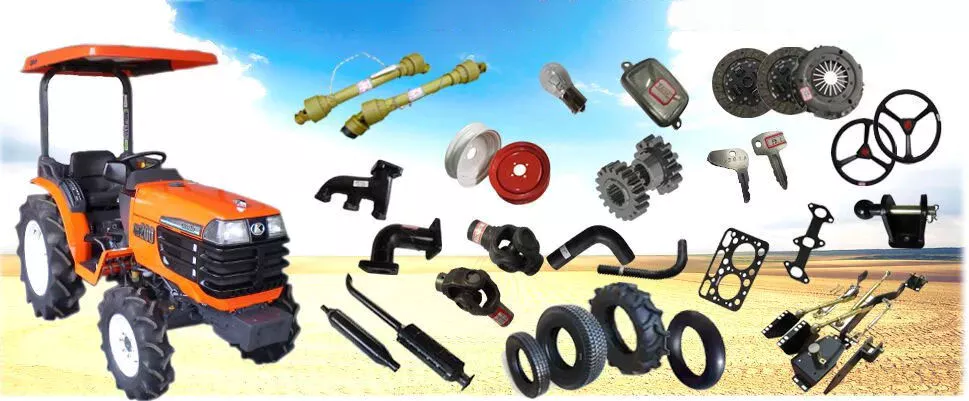
Are there variations in drive shaft designs for different types of machinery?
Yes, there are variations in drive shaft designs to cater to the specific requirements of different types of machinery. The design of a drive shaft is influenced by factors such as the application, power transmission needs, space limitations, operating conditions, and the type of driven components. Here’s an explanation of how drive shaft designs can vary for different types of machinery:
1. Automotive Applications:
In the automotive industry, drive shaft designs can vary depending on the vehicle’s configuration. Rear-wheel-drive vehicles typically use a single-piece or two-piece drive shaft, which connects the transmission or transfer case to the rear differential. Front-wheel-drive vehicles often use a different design, employing a drive shaft that combines with the constant velocity (CV) joints to transmit power to the front wheels. All-wheel-drive vehicles may have multiple drive shafts to distribute power to all wheels. The length, diameter, material, and joint types can differ based on the vehicle’s layout and torque requirements.
2. Industrial Machinery:
Drive shaft designs for industrial machinery depend on the specific application and power transmission requirements. In manufacturing machinery, such as conveyors, presses, and rotating equipment, drive shafts are designed to transfer power efficiently within the machine. They may incorporate flexible joints or use a splined or keyed connection to accommodate misalignment or allow for easy disassembly. The dimensions, materials, and reinforcement of the drive shaft are selected based on the torque, speed, and operating conditions of the machinery.
3. Agriculture and Farming:
Agricultural machinery, such as tractors, combines, and harvesters, often requires drive shafts that can handle high torque loads and varying operating angles. These drive shafts are designed to transmit power from the engine to attachments and implements, such as mowers, balers, tillers, and harvesters. They may incorporate telescopic sections to accommodate adjustable lengths, flexible joints to compensate for misalignment during operation, and protective shielding to prevent entanglement with crops or debris.
4. Construction and Heavy Equipment:
Construction and heavy equipment, including excavators, loaders, bulldozers, and cranes, require robust drive shaft designs capable of transmitting power in demanding conditions. These drive shafts often have larger diameters and thicker walls to handle high torque loads. They may incorporate universal joints or CV joints to accommodate operating angles and absorb shocks and vibrations. Drive shafts in this category may also have additional reinforcements to withstand the harsh environments and heavy-duty applications associated with construction and excavation.
5. Marine and Maritime Applications:
Drive shaft designs for marine applications are specifically engineered to withstand the corrosive effects of seawater and the high torque loads encountered in marine propulsion systems. Marine drive shafts are typically made from stainless steel or other corrosion-resistant materials. They may incorporate flexible couplings or dampening devices to reduce vibration and mitigate the effects of misalignment. The design of marine drive shafts also considers factors such as shaft length, diameter, and support bearings to ensure reliable power transmission in marine vessels.
6. Mining and Extraction Equipment:
In the mining industry, drive shafts are used in heavy machinery and equipment such as mining trucks, excavators, and drilling rigs. These drive shafts need to withstand extremely high torque loads and harsh operating conditions. Drive shaft designs for mining applications often feature larger diameters, thicker walls, and specialized materials such as alloy steel or composite materials. They may incorporate universal joints or CV joints to handle operating angles, and they are designed to be resistant to abrasion and wear.
These examples highlight the variations in drive shaft designs for different types of machinery. The design considerations take into account factors such as power requirements, operating conditions, space constraints, alignment needs, and the specific demands of the machinery or industry. By tailoring the drive shaft design to the unique requirements of each application, optimal power transmission efficiency and reliability can be achieved.


editor by CX 2024-05-16























Commenti recenti