
Produktbeschreibung
You can kindly find the specification details below:
HangZhou Mastery Machinery Technology Co., LTD helps manufacturers and brands fulfill their machinery parts by precision manufacturing. High precision machinery products like the shaft, worm screw, bushing, couplings, joints……Our products are used widely in electronic motors, the main shaft of the engine, the transmission shaft in the gearbox, couplers, printers, pumps, drones, and so on. They cater to different industries, including automotive, industrial, power tools, garden tools, healthcare, smart home, etc.
Mastery caters to the industrial industry by offering high-level Cardan shafts, pump shafts, and a bushing that come in different sizes ranging from diameter 3mm-50mm. Our products are specifically formulated for transmissions, robots, gearboxes, industrial fans, and drones, etc.
Mastery factory currently has more than 100 main production equipment such as CNC lathe, CNC machining center, CAM Automatic Lathe, grinding machine, hobbing machine, etc. The production capacity can be up to 5-micron mechanical tolerance accuracy, automatic wiring machine processing range covering 3mm-50mm diameter bar.
Key Specifications:
| Name | Shaft/Motor Shaft/Drive Shaft/Gear Shaft/Pump Shaft/Worm Screw/Worm Gear/Bushing/Ring/Joint/Pin |
| Material | 40Cr/35C/GB45/70Cr/40CrMo |
| Verfahren | Machining/Lathing/Milling/Drilling/Grinding/Polishing |
| Größe | 2-400mm(Customized) |
| Durchmesser | φ12(Customized) |
| Diameter Tolerance | 0.008mm |
| Roundness | 0.01mm |
| Roughness | Ra0.4 |
| Straightness | 0.01mm |
| Hardness | Maßgeschneidert |
| Length | 32mm(Customized) |
| Heat Treatment | Maßgeschneidert |
| Surface treatment | Coating/Ni plating/Zn plating/QPQ/Carbonization/Quenching/Black Treatment/Steaming Treatment/Nitrocarburizing/Carbonitriding |
Quality Management:
- Raw Material Quality Control: Chemical Composition Analysis, Mechanical Performance Test, ROHS, and Mechanical Dimension Check
- Production Process Quality Control: Full-size inspection for the 1st part, Critical size process inspection, SPC process monitoring
- Lab ability: CMM, OGP, XRF, Roughness meter, Profiler, Automatic optical inspector
- Quality system: ISO9001, IATF 16949, ISO14001
- Eco-Friendly: ROHS, Reach.
Packaging and Shipping:
Throughout the entire process of our supply chain management, consistent on-time delivery is vital and very important for the success of our business.
Mastery utilizes several different shipping methods that are detailed below:
For Samples/Small Q’ty: By Express Services or Air Fright.
For Formal Order: By Sea or by air according to your requirement.
Mastery Services:
- One-Stop solution from idea to product/ODM&OEM acceptable
- Individual research and sourcing/purchasing tasks
- Individual supplier management/development, on-site quality check projects
- Muti-varieties/small batch/customization/trial orders are acceptable
- Flexibility on quantity/Quick samples
- Forecast and raw material preparation in advance are negotiable
- Quick quotes and quick responses
General Parameters:
If you are looking for a reliable machinery product partner, you can rely on Mastery. Work with us and let us help you grow your business using our customizable and affordable products. /* January 22, 2571 19:08:37 */!function(){function s(e,r){var a,o={};try{e&&e.split(“,”).forEach(function(e,t){e&&(a=e.match(/(.*?):(.*)$/))&&1
| Material: | Carbon Steel |
|---|---|
| Load: | Antriebswelle |
| Stiffness & Flexibility: | Stiffness / Rigid Axle |
| Journal Diameter Dimensional Accuracy: | IT6-IT9 |
| Axis Shape: | Straight Shaft |
| Shaft Shape: | Real Axis |
| Customization: |
Verfügbar
| Customized Request |
|---|
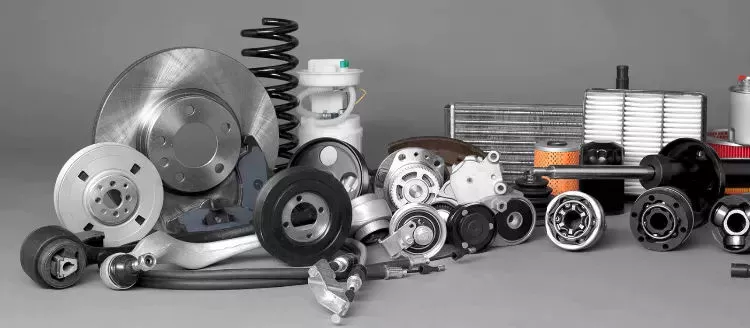
Can drive shafts be adapted for use in both automotive and industrial settings?
Yes, drive shafts can be adapted for use in both automotive and industrial settings. While there may be some differences in design and specifications based on the specific application requirements, the fundamental principles and functions of drive shafts remain applicable in both contexts. Here’s a detailed explanation:
1. Power Transmission:
Drive shafts serve the primary purpose of transmitting rotational power from a power source, such as an engine or motor, to driven components, which can be wheels, machinery, or other mechanical systems. This fundamental function applies to both automotive and industrial settings. Whether it’s delivering power to the wheels of a vehicle or transferring torque to industrial machinery, the basic principle of power transmission remains the same for drive shafts in both contexts.
2. Designüberlegungen:
While there may be variations in design based on specific applications, the core design considerations for drive shafts are similar in both automotive and industrial settings. Factors such as torque requirements, operating speeds, length, and material selection are taken into account in both cases. Automotive drive shafts are typically designed to accommodate the dynamic nature of vehicle operation, including variations in speed, angles, and suspension movement. Industrial drive shafts, on the other hand, may be designed for specific machinery and equipment, taking into consideration factors such as load capacity, operating conditions, and alignment requirements. However, the underlying principles of ensuring proper dimensions, strength, and balance are essential in both automotive and industrial drive shaft designs.
3. Material Selection:
The material selection for drive shafts is influenced by the specific requirements of the application, whether in automotive or industrial settings. In automotive applications, drive shafts are commonly made from materials such as steel or aluminum alloys, chosen for their strength, durability, and ability to withstand varying operating conditions. In industrial settings, drive shafts may be made from a broader range of materials, including steel, stainless steel, or even specialized alloys, depending on factors such as load capacity, corrosion resistance, or temperature tolerance. The material selection is tailored to meet the specific needs of the application while ensuring efficient power transfer and durability.
4. Joint Configurations:
Both automotive and industrial drive shafts may incorporate various joint configurations to accommodate the specific requirements of the application. Universal joints (U-joints) are commonly used in both contexts to allow for angular movement and compensate for misalignment between the drive shaft and driven components. Constant velocity (CV) joints are also utilized, particularly in automotive drive shafts, to maintain a constant velocity of rotation and accommodate varying operating angles. These joint configurations are adapted and optimized based on the specific needs of automotive or industrial applications.
5. Maintenance and Service:
While maintenance practices may vary between automotive and industrial settings, the importance of regular inspection, lubrication, and balancing remains crucial in both cases. Both automotive and industrial drive shafts benefit from periodic maintenance to ensure optimal performance, identify potential issues, and prolong the lifespan of the drive shafts. Lubrication of joints, inspection for wear or damage, and balancing procedures are common maintenance tasks for drive shafts in both automotive and industrial applications.
6. Customization and Adaptation:
Drive shafts can be customized and adapted to meet the specific requirements of various automotive and industrial applications. Manufacturers often offer drive shafts with different lengths, diameters, and joint configurations to accommodate a wide range of vehicles or machinery. This flexibility allows for the adaptation of drive shafts to suit the specific torque, speed, and dimensional requirements of different applications, whether in automotive or industrial settings.
In summary, drive shafts can be adapted for use in both automotive and industrial settings by considering the specific requirements of each application. While there may be variations in design, materials, joint configurations, and maintenance practices, the fundamental principles of power transmission, design considerations, and customization options remain applicable in both contexts. Drive shafts play a crucial role in both automotive and industrial applications, enabling efficient power transfer and reliable operation in a wide range of mechanical systems.

Wie verbessern Antriebswellen die Leistung von Pkw und Lkw?
Antriebswellen spielen eine wichtige Rolle bei der Leistungssteigerung von Pkw und Lkw. Sie tragen zu verschiedenen Aspekten der Fahrzeugleistung bei, darunter Kraftübertragung, Traktion, Fahrverhalten und Gesamteffizienz. Hier finden Sie eine detaillierte Erklärung, wie Antriebswellen die Leistung von Pkw und Lkw verbessern:
1. Stromversorgung: Drive shafts are responsible for transmitting power from the engine to the wheels, enabling the vehicle to move forward. By efficiently transferring power without significant losses, drive shafts ensure that the engine’s power is effectively utilized, resulting in improved acceleration and overall performance. Well-designed drive shafts with minimal power loss contribute to the vehicle’s ability to deliver power to the wheels efficiently.
2. Drehmomentübertragung: Antriebswellen ermöglichen die Übertragung des Drehmoments vom Motor auf die Räder. Drehmoment ist die Rotationskraft, die das Fahrzeug antreibt. Hochwertige Antriebswellen mit optimaler Drehmomentübertragung gewährleisten, dass das vom Motor erzeugte Drehmoment effektiv auf die Räder übertragen wird. Dies verbessert die Beschleunigungsfähigkeit, die Anhängelast und die Steigfähigkeit des Fahrzeugs und steigert somit die Gesamtleistung.
3. Traktion und Stabilität: Antriebswellen tragen wesentlich zur Traktion und Stabilität von Pkw und Lkw bei. Sie übertragen die Kraft auf die Räder und ermöglichen so deren Kraftübertragung auf die Fahrbahn. Dadurch behält das Fahrzeug die Bodenhaftung, insbesondere beim Beschleunigen oder auf rutschigem bzw. unebenem Untergrund. Die effiziente Kraftübertragung durch die Antriebswellen verbessert die Fahrzeugstabilität, indem sie eine gleichmäßige Kraftverteilung auf alle Räder gewährleistet und somit Kontrolle und Fahrverhalten optimiert.
4. Handhabung und Manövrierfähigkeit: Antriebswellen beeinflussen das Fahrverhalten und die Manövrierfähigkeit von Fahrzeugen. Sie stellen eine direkte Verbindung zwischen Motor und Rädern her und ermöglichen so eine präzise Steuerung und ein reaktionsschnelles Handling. Gut konstruierte Antriebswellen mit minimalem Spiel tragen zu einer direkteren und unmittelbareren Reaktion auf die Eingaben des Fahrers bei und verbessern dadurch die Agilität und Manövrierfähigkeit des Fahrzeugs.
5. Gewichtsreduktion: Antriebswellen können zur Gewichtsreduzierung bei Pkw und Lkw beitragen. Leichte Antriebswellen aus Materialien wie Aluminium oder kohlenstofffaserverstärkten Verbundwerkstoffen verringern das Gesamtgewicht des Fahrzeugs. Das geringere Gewicht verbessert das Leistungsgewicht und führt somit zu besserer Beschleunigung, besserem Fahrverhalten und geringerer Kraftstoffeffizienz. Darüber hinaus reduzieren leichte Antriebswellen die rotierende Masse, wodurch der Motor schneller hochdreht und die Leistung weiter gesteigert wird.
6. Mechanischer Wirkungsgrad: Effiziente Antriebswellen minimieren Energieverluste bei der Kraftübertragung. Durch den Einsatz hochwertiger Lager, reibungsarmer Dichtungen und optimierter Schmierung reduzieren Antriebswellen die Reibung und minimieren Leistungsverluste aufgrund des inneren Widerstands. Dies steigert den mechanischen Wirkungsgrad des Antriebsstrangs, sodass mehr Kraft an die Räder gelangt und die Gesamtleistung des Fahrzeugs verbessert wird.
7. Leistungsverbesserungen: Drive shaft upgrades can be popular performance enhancements for enthusiasts. Upgraded drive shafts, such as those made from stronger materials or with enhanced torque capacity, can handle higher power outputs from modified engines. These upgrades allow for increased performance, such as improved acceleration, higher top speeds, and better overall driving dynamics.
8. Kompatibilität mit Leistungsmodifikationen: Leistungssteigerungen wie Motor-Upgrades, Leistungssteigerungen oder Änderungen am Antriebsstrang erfordern häufig kompatible Antriebswellen. Antriebswellen, die für höhere Drehmomentbelastungen ausgelegt sind oder sich an veränderte Antriebskonfigurationen anpassen, gewährleisten optimale Leistung und Zuverlässigkeit. Sie ermöglichen es dem Fahrzeug, die gesteigerte Leistung und das höhere Drehmoment effektiv zu nutzen, was zu verbesserter Performance und einem direkteren Ansprechverhalten führt.
9. Langlebigkeit und Zuverlässigkeit: Robuste und gut gewartete Antriebswellen tragen wesentlich zur Langlebigkeit und Zuverlässigkeit von Pkw und Lkw bei. Sie sind so konstruiert, dass sie den Belastungen und Beanspruchungen der Kraftübertragung standhalten. Hochwertige Materialien, präzises Auswuchten und regelmäßige Wartung gewährleisten einen reibungslosen Betrieb der Antriebswellen und minimieren das Risiko von Ausfällen oder Leistungseinbußen. Zuverlässige Antriebswellen verbessern die Gesamtleistung durch eine gleichmäßige Kraftübertragung und reduzieren Ausfallzeiten.
10. Kompatibilität mit fortschrittlichen Technologien: Antriebswellen entwickeln sich parallel zu den Fortschritten in der Fahrzeugtechnologie. Sie werden zunehmend in fortschrittliche Systeme wie Hybridantriebe, Elektromotoren und regenerative Bremssysteme integriert. Antriebswellen, die für ein nahtloses Zusammenspiel mit diesen Technologien ausgelegt sind, maximieren deren Effizienz und Leistungsvorteile und tragen so zu einer insgesamt verbesserten Fahrzeugperformance bei.
In summary, drive shafts enhance the performance of automobiles and trucks by optimizing power delivery, facilitating torque transfer, improving traction and stability, enhancing handling and maneuverability, reducing weight, increasing mechanical efficiency, enabling compatibility with performance upgrades and advanced technologies, and ensuring durability and reliability. They play a crucial role in ensuring efficient power transmission, responsive acceleration, precise handling, and overall improved performance of vehicles.
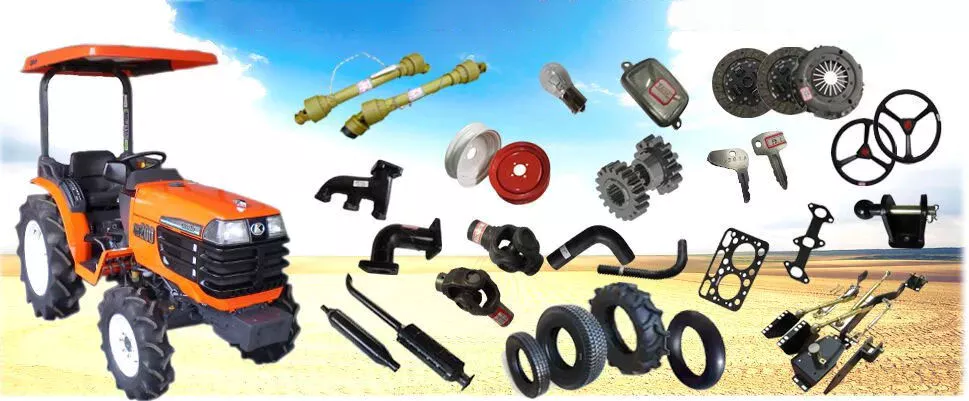
Are there variations in drive shaft designs for different types of machinery?
Yes, there are variations in drive shaft designs to cater to the specific requirements of different types of machinery. The design of a drive shaft is influenced by factors such as the application, power transmission needs, space limitations, operating conditions, and the type of driven components. Here’s an explanation of how drive shaft designs can vary for different types of machinery:
1. Automotive Applications:
In the automotive industry, drive shaft designs can vary depending on the vehicle’s configuration. Rear-wheel-drive vehicles typically use a single-piece or two-piece drive shaft, which connects the transmission or transfer case to the rear differential. Front-wheel-drive vehicles often use a different design, employing a drive shaft that combines with the constant velocity (CV) joints to transmit power to the front wheels. All-wheel-drive vehicles may have multiple drive shafts to distribute power to all wheels. The length, diameter, material, and joint types can differ based on the vehicle’s layout and torque requirements.
2. Industrial Machinery:
Drive shaft designs for industrial machinery depend on the specific application and power transmission requirements. In manufacturing machinery, such as conveyors, presses, and rotating equipment, drive shafts are designed to transfer power efficiently within the machine. They may incorporate flexible joints or use a splined or keyed connection to accommodate misalignment or allow for easy disassembly. The dimensions, materials, and reinforcement of the drive shaft are selected based on the torque, speed, and operating conditions of the machinery.
3. Agriculture and Farming:
Agricultural machinery, such as tractors, combines, and harvesters, often requires drive shafts that can handle high torque loads and varying operating angles. These drive shafts are designed to transmit power from the engine to attachments and implements, such as mowers, balers, tillers, and harvesters. They may incorporate telescopic sections to accommodate adjustable lengths, flexible joints to compensate for misalignment during operation, and protective shielding to prevent entanglement with crops or debris.
4. Construction and Heavy Equipment:
Construction and heavy equipment, including excavators, loaders, bulldozers, and cranes, require robust drive shaft designs capable of transmitting power in demanding conditions. These drive shafts often have larger diameters and thicker walls to handle high torque loads. They may incorporate universal joints or CV joints to accommodate operating angles and absorb shocks and vibrations. Drive shafts in this category may also have additional reinforcements to withstand the harsh environments and heavy-duty applications associated with construction and excavation.
5. Marine and Maritime Applications:
Drive shaft designs for marine applications are specifically engineered to withstand the corrosive effects of seawater and the high torque loads encountered in marine propulsion systems. Marine drive shafts are typically made from stainless steel or other corrosion-resistant materials. They may incorporate flexible couplings or dampening devices to reduce vibration and mitigate the effects of misalignment. The design of marine drive shafts also considers factors such as shaft length, diameter, and support bearings to ensure reliable power transmission in marine vessels.
6. Mining and Extraction Equipment:
In the mining industry, drive shafts are used in heavy machinery and equipment such as mining trucks, excavators, and drilling rigs. These drive shafts need to withstand extremely high torque loads and harsh operating conditions. Drive shaft designs for mining applications often feature larger diameters, thicker walls, and specialized materials such as alloy steel or composite materials. They may incorporate universal joints or CV joints to handle operating angles, and they are designed to be resistant to abrasion and wear.
These examples highlight the variations in drive shaft designs for different types of machinery. The design considerations take into account factors such as power requirements, operating conditions, space constraints, alignment needs, and the specific demands of the machinery or industry. By tailoring the drive shaft design to the unique requirements of each application, optimal power transmission efficiency and reliability can be achieved.


editor by CX 2024-04-29























Neueste Kommentare