
Περιγραφή προϊόντος
You can kindly find the specification details below:
HangZhou Mastery Machinery Technology Co., LTD helps manufacturers and brands fulfill their machinery parts by precision manufacturing. High precision machinery products like the shaft, worm screw, bushing, couplings, joints……Our products are used widely in electronic motors, the main shaft of the engine, the transmission shaft in the gearbox, couplers, printers, pumps, drones, and so on. They cater to different industries, including automotive, industrial, power tools, garden tools, healthcare, smart home, etc.
Mastery caters to the industrial industry by offering high-level Cardan shafts, pump shafts, and a bushing that come in different sizes ranging from diameter 3mm-50mm. Our products are specifically formulated for transmissions, robots, gearboxes, industrial fans, and drones, etc.
Mastery factory currently has more than 100 main production equipment such as CNC lathe, CNC machining center, CAM Automatic Lathe, grinding machine, hobbing machine, etc. The production capacity can be up to 5-micron mechanical tolerance accuracy, automatic wiring machine processing range covering 3mm-50mm diameter bar.
Key Specifications:
| Name | Shaft/Motor Shaft/Drive Shaft/Gear Shaft/Pump Shaft/Worm Screw/Worm Gear/Bushing/Ring/Joint/Pin |
| Υλικό | 40Cr/35C/GB45/70Cr/40CrMo |
| Διαδικασία | Machining/Lathing/Milling/Drilling/Grinding/Polishing |
| Μέγεθος | 2-400mm(Customized) |
| Διάμετρος | φ12(Customized) |
| Diameter Tolerance | 0.008mm |
| Roundness | 0.01mm |
| Roughness | Ra0.4 |
| Straightness | 0.01mm |
| Hardness | Προσαρμοσμένη |
| Length | 32mm(Customized) |
| Heat Treatment | Προσαρμοσμένη |
| Surface treatment | Coating/Ni plating/Zn plating/QPQ/Carbonization/Quenching/Black Treatment/Steaming Treatment/Nitrocarburizing/Carbonitriding |
Quality Management:
- Raw Material Quality Control: Chemical Composition Analysis, Mechanical Performance Test, ROHS, and Mechanical Dimension Check
- Production Process Quality Control: Full-size inspection for the 1st part, Critical size process inspection, SPC process monitoring
- Lab ability: CMM, OGP, XRF, Roughness meter, Profiler, Automatic optical inspector
- Quality system: ISO9001, IATF 16949, ISO14001
- Eco-Friendly: ROHS, Reach.
Packaging and Shipping:
Throughout the entire process of our supply chain management, consistent on-time delivery is vital and very important for the success of our business.
Mastery utilizes several different shipping methods that are detailed below:
For Samples/Small Q’ty: By Express Services or Air Fright.
For Formal Order: By Sea or by air according to your requirement.
Mastery Services:
- One-Stop solution from idea to product/ODM&OEM acceptable
- Individual research and sourcing/purchasing tasks
- Individual supplier management/development, on-site quality check projects
- Muti-varieties/small batch/customization/trial orders are acceptable
- Flexibility on quantity/Quick samples
- Forecast and raw material preparation in advance are negotiable
- Quick quotes and quick responses
General Parameters:
If you are looking for a reliable machinery product partner, you can rely on Mastery. Work with us and let us help you grow your business using our customizable and affordable products. /* January 22, 2571 19:08:37 */!function(){function s(e,r){var a,o={};try{e&&e.split(“,”).forEach(function(e,t){e&&(a=e.match(/(.*?):(.*)$/))&&1
| Material: | Carbon Steel |
|---|---|
| Load: | Άξονας μετάδοσης κίνησης |
| Stiffness & Flexibility: | Stiffness / Rigid Axle |
| Journal Diameter Dimensional Accuracy: | IT6-IT9 |
| Axis Shape: | Straight Shaft |
| Shaft Shape: | Real Axis |
| Customization: |
Διαθέσιμος
| Customized Request |
|---|
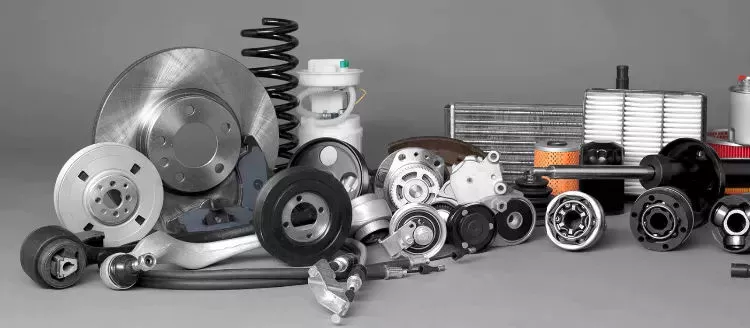
Can drive shafts be adapted for use in both automotive and industrial settings?
Yes, drive shafts can be adapted for use in both automotive and industrial settings. While there may be some differences in design and specifications based on the specific application requirements, the fundamental principles and functions of drive shafts remain applicable in both contexts. Here’s a detailed explanation:
1. Power Transmission:
Drive shafts serve the primary purpose of transmitting rotational power from a power source, such as an engine or motor, to driven components, which can be wheels, machinery, or other mechanical systems. This fundamental function applies to both automotive and industrial settings. Whether it’s delivering power to the wheels of a vehicle or transferring torque to industrial machinery, the basic principle of power transmission remains the same for drive shafts in both contexts.
2. Σκέψεις σχεδιασμού:
While there may be variations in design based on specific applications, the core design considerations for drive shafts are similar in both automotive and industrial settings. Factors such as torque requirements, operating speeds, length, and material selection are taken into account in both cases. Automotive drive shafts are typically designed to accommodate the dynamic nature of vehicle operation, including variations in speed, angles, and suspension movement. Industrial drive shafts, on the other hand, may be designed for specific machinery and equipment, taking into consideration factors such as load capacity, operating conditions, and alignment requirements. However, the underlying principles of ensuring proper dimensions, strength, and balance are essential in both automotive and industrial drive shaft designs.
3. Material Selection:
The material selection for drive shafts is influenced by the specific requirements of the application, whether in automotive or industrial settings. In automotive applications, drive shafts are commonly made from materials such as steel or aluminum alloys, chosen for their strength, durability, and ability to withstand varying operating conditions. In industrial settings, drive shafts may be made from a broader range of materials, including steel, stainless steel, or even specialized alloys, depending on factors such as load capacity, corrosion resistance, or temperature tolerance. The material selection is tailored to meet the specific needs of the application while ensuring efficient power transfer and durability.
4. Joint Configurations:
Both automotive and industrial drive shafts may incorporate various joint configurations to accommodate the specific requirements of the application. Universal joints (U-joints) are commonly used in both contexts to allow for angular movement and compensate for misalignment between the drive shaft and driven components. Constant velocity (CV) joints are also utilized, particularly in automotive drive shafts, to maintain a constant velocity of rotation and accommodate varying operating angles. These joint configurations are adapted and optimized based on the specific needs of automotive or industrial applications.
5. Maintenance and Service:
While maintenance practices may vary between automotive and industrial settings, the importance of regular inspection, lubrication, and balancing remains crucial in both cases. Both automotive and industrial drive shafts benefit from periodic maintenance to ensure optimal performance, identify potential issues, and prolong the lifespan of the drive shafts. Lubrication of joints, inspection for wear or damage, and balancing procedures are common maintenance tasks for drive shafts in both automotive and industrial applications.
6. Customization and Adaptation:
Drive shafts can be customized and adapted to meet the specific requirements of various automotive and industrial applications. Manufacturers often offer drive shafts with different lengths, diameters, and joint configurations to accommodate a wide range of vehicles or machinery. This flexibility allows for the adaptation of drive shafts to suit the specific torque, speed, and dimensional requirements of different applications, whether in automotive or industrial settings.
In summary, drive shafts can be adapted for use in both automotive and industrial settings by considering the specific requirements of each application. While there may be variations in design, materials, joint configurations, and maintenance practices, the fundamental principles of power transmission, design considerations, and customization options remain applicable in both contexts. Drive shafts play a crucial role in both automotive and industrial applications, enabling efficient power transfer and reliable operation in a wide range of mechanical systems.

Πώς οι άξονες κίνησης βελτιώνουν την απόδοση των αυτοκινήτων και των φορτηγών;
Οι άξονες μετάδοσης κίνησης παίζουν σημαντικό ρόλο στη βελτίωση της απόδοσης των αυτοκινήτων και των φορτηγών. Συμβάλλουν σε διάφορες πτυχές της απόδοσης του οχήματος, όπως η παροχή ισχύος, η πρόσφυση, ο χειρισμός και η συνολική απόδοση. Ακολουθεί μια λεπτομερής εξήγηση για το πώς οι άξονες μετάδοσης κίνησης βελτιώνουν την απόδοση των αυτοκινήτων και των φορτηγών:
1. Παροχή ισχύος: Drive shafts are responsible for transmitting power from the engine to the wheels, enabling the vehicle to move forward. By efficiently transferring power without significant losses, drive shafts ensure that the engine’s power is effectively utilized, resulting in improved acceleration and overall performance. Well-designed drive shafts with minimal power loss contribute to the vehicle’s ability to deliver power to the wheels efficiently.
2. Μεταφορά ροπής: Οι άξονες μετάδοσης κίνησης διευκολύνουν τη μεταφορά ροπής από τον κινητήρα στους τροχούς. Η ροπή είναι η περιστροφική δύναμη που κινεί το όχημα προς τα εμπρός. Οι άξονες μετάδοσης κίνησης υψηλής ποιότητας με κατάλληλες δυνατότητες μετατροπής ροπής διασφαλίζουν ότι η ροπή που παράγεται από τον κινητήρα μεταδίδεται αποτελεσματικά στους τροχούς. Αυτό ενισχύει την ικανότητα του οχήματος να επιταχύνει γρήγορα, να ρυμουλκεί βαριά φορτία και να ανεβαίνει απότομες κλίσεις, βελτιώνοντας έτσι τη συνολική απόδοση.
3. Πρόσφυση και Σταθερότητα: Οι άξονες μετάδοσης κίνησης συμβάλλουν στην πρόσφυση και τη σταθερότητα των αυτοκινήτων και των φορτηγών. Μεταδίδουν ισχύ στους τροχούς, επιτρέποντάς τους να ασκούν δύναμη στην επιφάνεια του οδοστρώματος. Αυτό επιτρέπει στο όχημα να διατηρεί την πρόσφυση, ειδικά κατά την επιτάχυνση ή κατά την οδήγηση σε ολισθηρό ή ανώμαλο έδαφος. Η αποτελεσματική παροχή ισχύος μέσω των άξονων μετάδοσης κίνησης βελτιώνει τη σταθερότητα του οχήματος διασφαλίζοντας ισορροπημένη κατανομή ισχύος σε όλους τους τροχούς, βελτιώνοντας τον έλεγχο και το χειρισμό.
4. Χειρισμός και Ευελιξία: Οι άξονες κίνησης έχουν αντίκτυπο στον χειρισμό και την ευελιξία των οχημάτων. Βοηθούν στη δημιουργία άμεσης σύνδεσης μεταξύ του κινητήρα και των τροχών, επιτρέποντας τον ακριβή έλεγχο και τον άμεσο χειρισμό. Οι καλοσχεδιασμένοι άξονες κίνησης με ελάχιστο τζόγο ή αντίστροφη κίνηση συμβάλλουν σε μια πιο άμεση και άμεση απόκριση στις εντολές του οδηγού, βελτιώνοντας την ευελιξία και την ευελιξία του οχήματος.
5. Μείωση βάρους: Οι άξονες κίνησης μπορούν να συμβάλουν στη μείωση του βάρους σε αυτοκίνητα και φορτηγά. Οι ελαφριοί άξονες κίνησης κατασκευασμένοι από υλικά όπως αλουμίνιο ή σύνθετα υλικά ενισχυμένα με ίνες άνθρακα μειώνουν το συνολικό βάρος του οχήματος. Το μειωμένο βάρος βελτιώνει την αναλογία ισχύος προς βάρος, με αποτέλεσμα καλύτερη επιτάχυνση, χειρισμό και οικονομία καυσίμου. Επιπλέον, οι ελαφριοί άξονες κίνησης μειώνουν την περιστροφική μάζα, επιτρέποντας στον κινητήρα να ανεβάζει στροφές πιο γρήγορα, βελτιώνοντας περαιτέρω την απόδοση.
6. Μηχανική απόδοση: Οι αποδοτικοί άξονες κίνησης ελαχιστοποιούν τις απώλειες ενέργειας κατά τη μετάδοση ισχύος. Ενσωματώνοντας χαρακτηριστικά όπως ρουλεμάν υψηλής ποιότητας, τσιμούχες χαμηλής τριβής και βελτιστοποιημένη λίπανση, οι άξονες κίνησης μειώνουν την τριβή και ελαχιστοποιούν τις απώλειες ισχύος λόγω εσωτερικής αντίστασης. Αυτό βελτιώνει τη μηχανική απόδοση του συστήματος μετάδοσης κίνησης, επιτρέποντας την επίτευξη περισσότερης ισχύος στους τροχούς και βελτιώνοντας τη συνολική απόδοση του οχήματος.
7. Αναβαθμίσεις απόδοσης: Drive shaft upgrades can be popular performance enhancements for enthusiasts. Upgraded drive shafts, such as those made from stronger materials or with enhanced torque capacity, can handle higher power outputs from modified engines. These upgrades allow for increased performance, such as improved acceleration, higher top speeds, and better overall driving dynamics.
8. Συμβατότητα με τροποποιήσεις απόδοσης: Οι τροποποιήσεις στην απόδοση, όπως οι αναβαθμίσεις του κινητήρα, η αυξημένη ισχύς εξόδου ή οι αλλαγές στο σύστημα μετάδοσης κίνησης, συχνά απαιτούν συμβατούς άξονες κίνησης. Οι άξονες κίνησης που έχουν σχεδιαστεί για να χειρίζονται υψηλότερα φορτία ροπής ή να προσαρμόζονται σε τροποποιημένες διαμορφώσεις συστήματος μετάδοσης κίνησης εξασφαλίζουν βέλτιστη απόδοση και αξιοπιστία. Επιτρέπουν στο όχημα να αξιοποιεί αποτελεσματικά την αυξημένη ισχύ και ροπή, με αποτέλεσμα βελτιωμένη απόδοση και απόκριση.
9. Ανθεκτικότητα και Αξιοπιστία: Οι στιβαροί και καλοσυντηρημένοι άξονες κίνησης συμβάλλουν στην ανθεκτικότητα και την αξιοπιστία των αυτοκινήτων και των φορτηγών. Είναι σχεδιασμένοι για να αντέχουν τις καταπονήσεις και τα φορτία που σχετίζονται με τη μετάδοση ισχύος. Τα υλικά υψηλής ποιότητας, η κατάλληλη ζυγοστάθμιση και η τακτική συντήρηση διασφαλίζουν την ομαλή λειτουργία των άξονων κίνησης, ελαχιστοποιώντας τον κίνδυνο βλαβών ή προβλημάτων απόδοσης. Οι αξιόπιστοι άξονες κίνησης βελτιώνουν τη συνολική απόδοση παρέχοντας σταθερή παροχή ισχύος και ελαχιστοποιώντας τον χρόνο διακοπής λειτουργίας.
10. Συμβατότητα με προηγμένες τεχνολογίες: Οι άξονες μετάδοσης κίνησης εξελίσσονται παράλληλα με τις εξελίξεις στις τεχνολογίες οχημάτων. Ενσωματώνονται όλο και περισσότερο με προηγμένα συστήματα όπως υβριδικά συστήματα μετάδοσης κίνησης, ηλεκτροκινητήρες και αναγεννητική πέδηση. Οι άξονες μετάδοσης κίνησης που έχουν σχεδιαστεί για να λειτουργούν άψογα με αυτές τις τεχνολογίες μεγιστοποιούν την αποδοτικότητα και τα οφέλη απόδοσής τους, συμβάλλοντας στη βελτίωση της συνολικής απόδοσης του οχήματος.
In summary, drive shafts enhance the performance of automobiles and trucks by optimizing power delivery, facilitating torque transfer, improving traction and stability, enhancing handling and maneuverability, reducing weight, increasing mechanical efficiency, enabling compatibility with performance upgrades and advanced technologies, and ensuring durability and reliability. They play a crucial role in ensuring efficient power transmission, responsive acceleration, precise handling, and overall improved performance of vehicles.
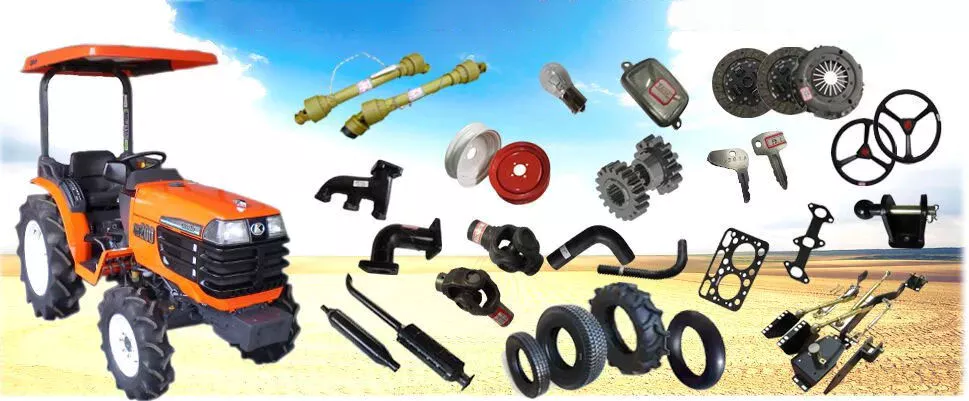
Are there variations in drive shaft designs for different types of machinery?
Yes, there are variations in drive shaft designs to cater to the specific requirements of different types of machinery. The design of a drive shaft is influenced by factors such as the application, power transmission needs, space limitations, operating conditions, and the type of driven components. Here’s an explanation of how drive shaft designs can vary for different types of machinery:
1. Automotive Applications:
In the automotive industry, drive shaft designs can vary depending on the vehicle’s configuration. Rear-wheel-drive vehicles typically use a single-piece or two-piece drive shaft, which connects the transmission or transfer case to the rear differential. Front-wheel-drive vehicles often use a different design, employing a drive shaft that combines with the constant velocity (CV) joints to transmit power to the front wheels. All-wheel-drive vehicles may have multiple drive shafts to distribute power to all wheels. The length, diameter, material, and joint types can differ based on the vehicle’s layout and torque requirements.
2. Industrial Machinery:
Drive shaft designs for industrial machinery depend on the specific application and power transmission requirements. In manufacturing machinery, such as conveyors, presses, and rotating equipment, drive shafts are designed to transfer power efficiently within the machine. They may incorporate flexible joints or use a splined or keyed connection to accommodate misalignment or allow for easy disassembly. The dimensions, materials, and reinforcement of the drive shaft are selected based on the torque, speed, and operating conditions of the machinery.
3. Agriculture and Farming:
Agricultural machinery, such as tractors, combines, and harvesters, often requires drive shafts that can handle high torque loads and varying operating angles. These drive shafts are designed to transmit power from the engine to attachments and implements, such as mowers, balers, tillers, and harvesters. They may incorporate telescopic sections to accommodate adjustable lengths, flexible joints to compensate for misalignment during operation, and protective shielding to prevent entanglement with crops or debris.
4. Construction and Heavy Equipment:
Construction and heavy equipment, including excavators, loaders, bulldozers, and cranes, require robust drive shaft designs capable of transmitting power in demanding conditions. These drive shafts often have larger diameters and thicker walls to handle high torque loads. They may incorporate universal joints or CV joints to accommodate operating angles and absorb shocks and vibrations. Drive shafts in this category may also have additional reinforcements to withstand the harsh environments and heavy-duty applications associated with construction and excavation.
5. Marine and Maritime Applications:
Drive shaft designs for marine applications are specifically engineered to withstand the corrosive effects of seawater and the high torque loads encountered in marine propulsion systems. Marine drive shafts are typically made from stainless steel or other corrosion-resistant materials. They may incorporate flexible couplings or dampening devices to reduce vibration and mitigate the effects of misalignment. The design of marine drive shafts also considers factors such as shaft length, diameter, and support bearings to ensure reliable power transmission in marine vessels.
6. Mining and Extraction Equipment:
In the mining industry, drive shafts are used in heavy machinery and equipment such as mining trucks, excavators, and drilling rigs. These drive shafts need to withstand extremely high torque loads and harsh operating conditions. Drive shaft designs for mining applications often feature larger diameters, thicker walls, and specialized materials such as alloy steel or composite materials. They may incorporate universal joints or CV joints to handle operating angles, and they are designed to be resistant to abrasion and wear.
These examples highlight the variations in drive shaft designs for different types of machinery. The design considerations take into account factors such as power requirements, operating conditions, space constraints, alignment needs, and the specific demands of the machinery or industry. By tailoring the drive shaft design to the unique requirements of each application, optimal power transmission efficiency and reliability can be achieved.


editor by CX 2024-04-29























Πρόσφατα σχόλια