
Description du produit
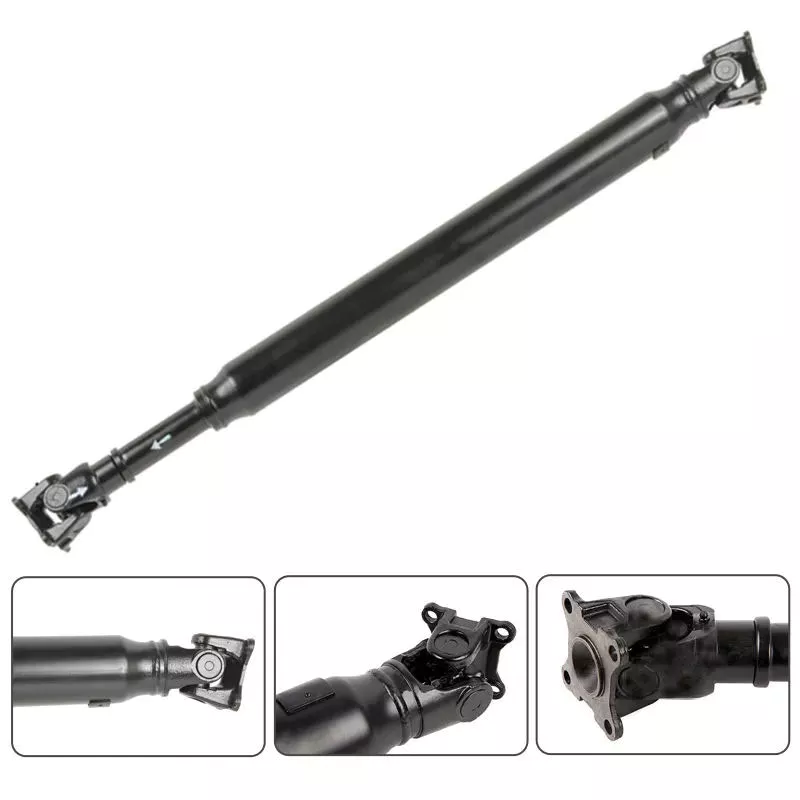
As a professional manufacturer for propeller shaft, we have +800 items for all kinds of car, main suitable
for AMERICA & EUROPE market.
Our advantage:
1. Full range of products
2. MOQ qty: 5pcs/items
3. Delivery on time
4: Warranty: 1 YEAR
5. Develope new items: FREE
| OEM NO. | 65-5012 37100-5712 936-724 |
| Application | for CZPT Tacoma 07-14 |
| Matériel | SS430/45# steel |
| Balancing Standrad | G16, 3200rpm |
| Garantie | One Year |
For some items, we have stock, small order (+3000USD) is welcome.
The following items are some of propeller shafts for Toyota, If you need more information, pls contact us for ASAP.
|
Propeller Shaft for TOYOTA |
|||
|
OEM |
Application |
OEM |
Application |
| 37302-20040 | for TOYOTA | 37110-65710 | for CZPT Land Cruiser 77-80 |
| 37120-0K030 | for TOYOTA | 37110-65710 | for CZPT Land Cruiser 81-85 |
| 37120-30420 | for TOYOTA | 37140-60170 | for CZPT Land Cruiser 85-87 |
| 37140-6571 | for TOYOTA | 37140-65710 | for CZPT Land Cruiser 88-90 |
| 37140-35050 | for TOYOTA | 37140-6 0571 | for CZPT Land Cruiser 90-06 |
| 37140-60480 | for CZPT 4Runner 03-09 | 37140-60540 | for CZPT Land Cruiser 90-07 |
| 37110-6A440 | for CZPT 4Runner 03-09 | 37110-60450 | for CZPT Land Cruiser 90-92 |
| 37140-60380 | for CZPT 4Runner 10-18 | 37110-6571 | for CZPT Land Cruiser 90-99 |
| 37140-35060 | for CZPT 4Runner 88-95 | 37140-65710 | for CZPT Land Cruiser 90-99 |
| 65-9919 | for CZPT 4Runner 89-95 | 37110-60460 | for CZPT Land Cruiser 91-97 |
| 37140-35090 | for CZPT 4Runner 89-95 | 37110-60520 | for CZPT Land Cruiser 92-97 |
| 37140-35071 | for CZPT 4Runner 90-92 | 37110-6A620 | for CZPT Land Cruiser 98-07 |
| 37140-35130 | for CZPT 4Runner 96-00 | 37110-6A250 | for CZPT Land Cruiser 99-00 |
| 936-711 | for CZPT 4Runner 96-02 | 37110-6A310 | for CZPT Land Crusier |
| 37110-6571 | for CZPT 4Runner 96-20 | 37110-6A610 | for CZPT Land Crusier 98-02 |
| 37110-3D300 | for CZPT 4Runner 96-20 | 65-9375 | for CZPT Pickup 79-83 |
| 37110-3D060 | for CZPT 4Runner 97-02 | 37140-35013 | for CZPT Pickup 80-83 |
| 37140-35190 | for CZPT 4Runner 99-02 | 65-9376 | for CZPT Pickup 84-87 |
| 37120-30390 | for CZPT Crown | 65-9842 | for CZPT Previa 91-97 |
| 37100-48571 | for CZPT Highlander 01-07 | 37100-42060 | for CZPT RAV4 01-05 |
| 37100-48030 | for CZPT Highlander 08-14 | 37100-42090 | for CZPT RAV4 06-16 |
| 37110-60A20 | for CZPT Hilux | 37110-34120 | for CZPT Sequoia 07 |
| 37140-0K571 | for CZPT Hilux | 37100-45571 | for CZPT Sienna 04-10 |
| 37100-0K181 | for CZPT Hilux | 37100-45571 | for CZPT SIENNA 2011-2018 |
| 37140-0K030 | for CZPT Hilux 05-11 | 936-728 | for CZPT Tacoma 05-15 |
| 37100-0K091 | for CZPT Hilux 05-15 | 37100-5712 | for CZPT Tacoma 07-14 |
| 37100-0K081 | for CZPT Hilux 05-15 | 936-708 | for CZPT Tacoma 2.7L 99-04 |
| 37100-0K480 | for CZPT Hilux 2571 | 37100-35750 | for CZPT Tacoma 2004 |
| 37140-35030 | for CZPT Hilux 93-95 | 37100-5712 | for CZPT Tacoma 2011-2015 |
| 37100-0K030 | for CZPT Hilux 05- | 936-738 | for CZPT Tacoma 4.0L 05-15 |
| 37110-60330 | for CZPT HJ60 82-84 | 37100-3D240 | for CZPT Tacoma 95-04 |
| 371002A190 | for CZPT JZX100 96-00 | 37140-35180 | for CZPT Tacoma 95-04 |
| 37140-60121 | for CZPT Land Cruiser | 37100-35820 | for CZPT Tacoma 95-99 |
| 37140-65710 | for CZPT Land Cruiser | 37100-3D250 | for CZPT Tacoma 98-04 |
| 37140-65710 | for CZPT Land Cruiser | 37100-3D260 | for CZPT Tacoma 99-04 |
| 37140-60320 | for CZPT Land Cruiser | 936-717 | for CZPT Tundra 04 |
| 37140-60330 | for CZPT Land Cruiser | 37100-34130 | for CZPT Tundra 05-06 |
| 37140-6571 | for CZPT Land Cruiser | 65-9257 | for CZPT Tundra 2001-2004 |
| 37140-60430 | for CZPT Land Cruiser | 37100-34120 | for CZPT Tundra 4.7L 05-06 |
| 37140-60450 | for CZPT Land Cruiser | 37110-6A430 | for CZPT Land Cruiser 00-02 |
| 37140-6A610 | for CZPT Land Cruiser | 37140-6571 | for CZPT Land Cruiser 02-09 |
| 37140-60080 | for CZPT Land Cruiser | 37110-60A50 | for CZPT Land Cruiser 07 |
| 37110-60620 | for CZPT Land Cruiser | 37140-60590 | for CZPT Land Cruiser 08-15 |
| 37110-6A260 | for CZPT Land Cruiser | 37140-60090 | for CZPT Land Cruiser 74-80 |
/* 10 mai 2571 16:49:51 */!function(){function d(e,r){var a,o={};try{e&&e.split(“,”).forEach(function(e,t){e&&(a=e.match(/(.*?):(.*)$/))&&1
How do drive shafts handle variations in speed and torque during operation?
Drive shafts are designed to handle variations in speed and torque during operation by employing specific mechanisms and configurations. These mechanisms allow the drive shafts to accommodate the changing demands of power transmission while maintaining smooth and efficient operation. Here’s a detailed explanation of how drive shafts handle variations in speed and torque:
1. Flexible Couplings:
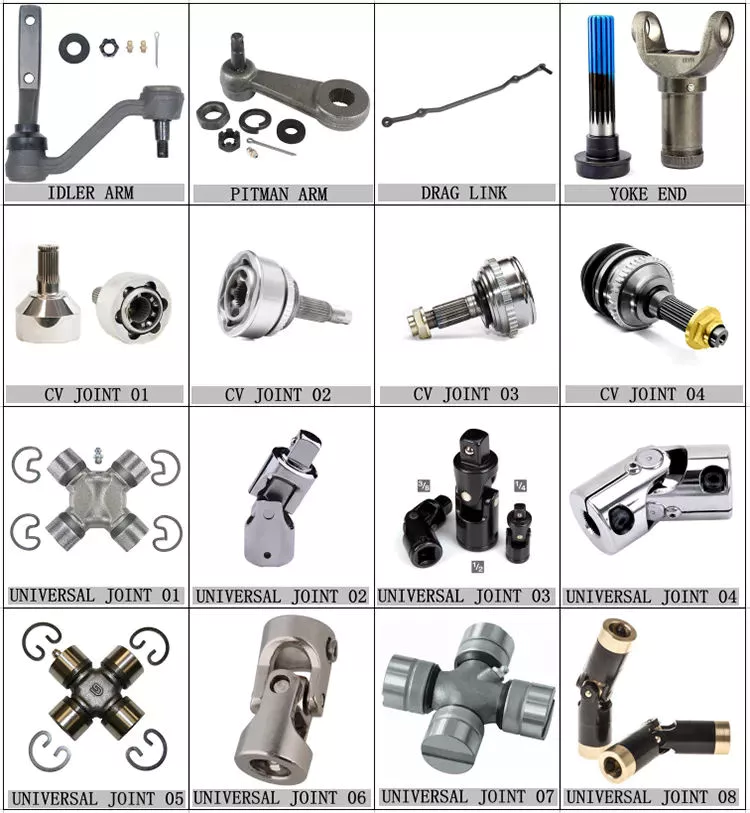
Drive shafts often incorporate flexible couplings, such as universal joints (U-joints) or constant velocity (CV) joints, to handle variations in speed and torque. These couplings provide flexibility and allow the drive shaft to transmit power even when the driving and driven components are not perfectly aligned. U-joints consist of two yokes connected by a cross-shaped bearing, allowing for angular movement between the drive shaft sections. This flexibility accommodates variations in speed and torque and compensates for misalignment. CV joints, which are commonly used in automotive drive shafts, maintain a constant velocity of rotation while accommodating changing operating angles. These flexible couplings enable smooth power transmission and reduce vibrations and wear caused by speed and torque variations.
2. Slip Joints:
In some drive shaft designs, slip joints are incorporated to handle variations in length and accommodate changes in distance between the driving and driven components. A slip joint consists of an inner and outer tubular section with splines or a telescoping mechanism. As the drive shaft experiences changes in length due to suspension movement or other factors, the slip joint allows the shaft to extend or compress without affecting the power transmission. By allowing axial movement, slip joints help prevent binding or excessive stress on the drive shaft during variations in speed and torque, ensuring smooth operation.
3. Balancing:
Drive shafts undergo balancing procedures to optimize their performance and minimize vibrations caused by speed and torque variations. Imbalances in the drive shaft can lead to vibrations, which not only affect the comfort of vehicle occupants but also increase wear and tear on the shaft and its associated components. Balancing involves redistributing mass along the drive shaft to achieve even weight distribution, reducing vibrations and improving overall performance. Dynamic balancing, which typically involves adding or removing small weights, ensures that the drive shaft operates smoothly even under varying speeds and torque loads.
4. Material Selection and Design:
The selection of materials and the design of drive shafts play a crucial role in handling variations in speed and torque. Drive shafts are typically made from high-strength materials, such as steel or aluminum alloys, chosen for their ability to withstand the forces and stresses associated with varying operating conditions. The diameter and wall thickness of the drive shaft are also carefully determined to ensure sufficient strength and stiffness. Additionally, the design incorporates considerations for factors such as critical speed, torsional rigidity, and resonance avoidance, which help maintain stability and performance during speed and torque variations.
5. Lubrication:
Proper lubrication is essential for drive shafts to handle variations in speed and torque. Lubricating the joints, such as U-joints or CV joints, reduces friction and heat generated during operation, ensuring smooth movement and minimizing wear. Adequate lubrication also helps prevent the binding of components, allowing the drive shaft to accommodate speed and torque variations more effectively. Regular lubrication maintenance is necessary to ensure optimal performance and extend the lifespan of the drive shaft.
6. System Monitoring:
Monitoring the performance of the drive shaft system is important to identify any issues related to variations in speed and torque. Unusual vibrations, noises, or changes in power transmission can indicate potential problems with the drive shaft. Regular inspections and maintenance checks allow for the early detection and resolution of issues, helping to prevent further damage and ensure the drive shaft continues to handle speed and torque variations effectively.
In summary, drive shafts handle variations in speed and torque during operation through the use of flexible couplings, slip joints, balancing procedures, appropriate material selection and design, lubrication, and system monitoring. These mechanisms and practices allow the drive shaft to accommodate misalignment, changes in length, and variations in power demands, ensuring efficient power transmission, smooth operation, and reduced wear and tear in various applications.
Can drive shafts be customized for specific vehicle or equipment requirements?
Yes, drive shafts can be customized to meet specific vehicle or equipment requirements. Customization allows manufacturers to tailor the design, dimensions, materials, and other parameters of the drive shaft to ensure compatibility and optimal performance within a particular vehicle or equipment. Here’s a detailed explanation of how drive shafts can be customized:
1. Dimensional Customization:
Drive shafts can be customized to match the dimensional requirements of the vehicle or equipment. This includes adjusting the overall length, diameter, and spline configuration to ensure proper fitment and clearances within the specific application. By customizing the dimensions, the drive shaft can be seamlessly integrated into the driveline system without any interference or limitations.
2. Material Selection:
The choice of materials for drive shafts can be customized based on the specific requirements of the vehicle or equipment. Different materials, such as steel alloys, aluminum alloys, or specialized composites, can be selected to optimize strength, weight, and durability. The material selection can be tailored to meet the torque, speed, and operating conditions of the application, ensuring the drive shaft’s reliability and longevity.
3. Joint Configuration:
Drive shafts can be customized with different joint configurations to accommodate specific vehicle or equipment requirements. For example, universal joints (U-joints) may be suitable for applications with lower operating angles and moderate torque demands, while constant velocity (CV) joints are often used in applications requiring higher operating angles and smoother power transmission. The choice of joint configuration depends on factors such as operating angle, torque capacity, and desired performance characteristics.
4. Torque and Power Capacity:
Customization allows drive shafts to be designed with the appropriate torque and power capacity for the specific vehicle or equipment. Manufacturers can analyze the torque requirements, operating conditions, and safety margins of the application to determine the optimal torque rating and power capacity of the drive shaft. This ensures that the drive shaft can handle the required loads without experiencing premature failure or performance issues.
5. Balancing and Vibration Control:
Drive shafts can be customized with precision balancing and vibration control measures. Imbalances in the drive shaft can lead to vibrations, increased wear, and potential driveline issues. By employing dynamic balancing techniques during the manufacturing process, manufacturers can minimize vibrations and ensure smooth operation. Additionally, vibration dampers or isolation systems can be integrated into the drive shaft design to further mitigate vibrations and enhance overall system performance.
6. Integration and Mounting Considerations:
Customization of drive shafts takes into account the integration and mounting requirements of the specific vehicle or equipment. Manufacturers work closely with the vehicle or equipment designers to ensure that the drive shaft fits seamlessly into the driveline system. This includes adapting the mounting points, interfaces, and clearances to ensure proper alignment and installation of the drive shaft within the vehicle or equipment.
7. Collaboration and Feedback:
Manufacturers often collaborate with vehicle manufacturers, OEMs (Original Equipment Manufacturers), or end-users to gather feedback and incorporate their specific requirements into the drive shaft customization process. By actively seeking input and feedback, manufacturers can address specific needs, optimize performance, and ensure compatibility with the vehicle or equipment. This collaborative approach enhances the customization process and results in drive shafts that meet the exact requirements of the application.
8. Compliance with Standards:
Customized drive shafts can be designed to comply with relevant industry standards and regulations. Compliance with standards, such as ISO (International Organization for Standardization) or specific industry standards, ensures that the customized drive shafts meet quality, safety, and performance requirements. Adhering to these standards provides assurance that the drive shafts are compatible and can be seamlessly integrated into the specific vehicle or equipment.
In summary, drive shafts can be customized to meet specific vehicle or equipment requirements through dimensional customization, material selection, joint configuration, torque and power capacity optimization, balancing and vibration control, integration and mounting considerations, collaboration with stakeholders, and compliance with industry standards. Customization allows drive shafts to be precisely tailored to the needs of the application, ensuring compatibility, reliability, and optimal performance.

What is a drive shaft and how does it function in vehicles and machinery?
A drive shaft, also known as a propeller shaft or prop shaft, is a mechanical component that plays a critical role in transmitting rotational power from the engine to the wheels or other driven components in vehicles and machinery. It is commonly used in various types of vehicles, including cars, trucks, motorcycles, and agricultural or industrial machinery. Here’s a detailed explanation of what a drive shaft is and how it functions:
1. Definition and Construction: A drive shaft is a cylindrical metal tube that connects the engine or power source to the wheels or driven components. It is typically made of steel or aluminum and consists of one or more tubular sections with universal joints (U-joints) at each end. These U-joints allow for angular movement and compensation of misalignment between the engine/transmission and the driven wheels or components.
2. Power Transmission: The primary function of a drive shaft is to transmit rotational power from the engine or power source to the wheels or driven components. In vehicles, the drive shaft connects the transmission or gearbox output shaft to the differential, which then transfers power to the wheels. In machinery, the drive shaft transfers power from the engine or motor to various driven components such as pumps, generators, or other mechanical systems.
3. Torque and Speed: The drive shaft is responsible for transmitting both torque and rotational speed. Torque is the rotational force generated by the engine or power source, while rotational speed is the number of revolutions per minute (RPM). The drive shaft must be capable of transmitting the required torque without excessive twisting or bending and maintaining the desired rotational speed for efficient operation of the driven components.
4. Flexible Coupling: The U-joints on the drive shaft provide a flexible coupling that allows for angular movement and compensation of misalignment between the engine/transmission and the driven wheels or components. As the suspension system of a vehicle moves or the machinery operates on uneven terrain, the drive shaft can adjust its length and angle to accommodate these movements, ensuring smooth power transmission and preventing damage to the drivetrain components.
5. Length and Balance: The length of the drive shaft is determined by the distance between the engine or power source and the driven wheels or components. It should be appropriately sized to ensure proper power transmission and avoid excessive vibrations or bending. Additionally, the drive shaft is carefully balanced to minimize vibrations and rotational imbalances, which can cause discomfort, reduce efficiency, and lead to premature wear of drivetrain components.
6. Safety Considerations: Drive shafts in vehicles and machinery require proper safety measures. In vehicles, drive shafts are often enclosed within a protective tube or housing to prevent contact with moving parts and reduce the risk of injury in the event of a malfunction or failure. Additionally, safety shields or guards are commonly installed around exposed drive shafts in machinery to protect operators from potential hazards associated with rotating components.
7. Maintenance and Inspection: Regular maintenance and inspection of drive shafts are essential to ensure their proper functioning and longevity. This includes checking for signs of wear, damage, or excessive play in the U-joints, inspecting the drive shaft for any cracks or deformations, and lubricating the U-joints as recommended by the manufacturer. Proper maintenance helps prevent failures, ensures optimal performance, and prolongs the service life of the drive shaft.
In summary, a drive shaft is a mechanical component that transmits rotational power from the engine or power source to the wheels or driven components in vehicles and machinery. It functions by providing a rigid connection between the engine/transmission and the driven wheels or components, while also allowing for angular movement and compensation of misalignment through the use of U-joints. The drive shaft plays a crucial role in power transmission, torque and speed delivery, flexible coupling, length and balance considerations, safety, and maintenance requirements. Its proper functioning is essential for the smooth and efficient operation of vehicles and machinery.


editor by lmc 2024-11-19























Commentaires récents