Descrizione del prodotto
Size range : OD2000mm
Length : max length 20000mm
Production procedure : Hot forging
Raw material : Ingot
A668E/20SiMn ,X20Cr13,25Cr2Ni4Mov,30Cr1Mo1V,34CrMo1A,35SiMn/34CrNi3Mo,
4340,F6NM,34CrNiMo6
Packing : steel pallet
Heat treatment : Normalizing , Quenching and tempering
Descrizione del prodotto
| GB | OTT | EN | DIN | WN | JIS | AISI/SAE | |
| 15CrMn | 16MnCr5 | 16MnCr5 | 1.7131 | 5115 | |||
| 20CrMn | 20MnCr5 | 20MnCr5 | 1.7147 | 5120 | |||
| 12CrMo | 12XM | 13CrMo44 | 1.7335 | 4119 | |||
| 15CrMo | 15XM | 15CrMo5 | 1.7262 | SCM415 | |||
| 20CrMo | 20XM | 20CrMo5 | 1.7264 | SCM420 | 4118 | ||
| 25CrMo | 30XM | 25CrMo4 | 1.7218 | ||||
| 30CrMo | SCM430 | 4130 | |||||
| 35CrMo | 35XM | 34CrMo4 | 1.722 | SCM435 | 4135 | ||
| 42CrMo | EN19 | 42CrMo4 | 1.7225 | SCM440 | 4140 | ||
| 50CrMo4 | 1.7228 | ||||||
| 40Cr | 40X | 41Cr4 | |||||
| 38XC | |||||||
| 25Cr2MoV | 25X2M1Φ | 24CrMoV55 | 1.7733 | ||||
| 50CrVA | 50CrV4 | 1.8159 | SUP10 | ||||
| 31CrMoV9 | 1.8519 | ||||||
| GCr15 | 100Cr6 | 100Cr6 | 1.3505 | 52100 | |||
| 20CrNiMo | 20XHM | 20NiCrMo2-2 | 21NiCrMo2 | 1.6523 | SNCM220 | 8620 | |
| 20XH3A | |||||||
| 20X2H4A | |||||||
| 17CrNiMo6 | 1.6587 | ||||||
| 18CrNiMo7-6 | 1.6587 | ||||||
| 34CrNiMo6 | 1.6582 | VCN150 | |||||
| 34NiCrMo16 | 35NiCrMo16 | 1.2766 | |||||
| 30CrNiMo8 | 1.658 | VCN200 | |||||
| 39NiCrMo3 | 1.651 | ||||||
| 34CrAlNi7 | 1.855 | ||||||
| 38CrMoAl | 38X2MA | 41CrAlMo7 | 1.8509 | ||||
| 40CrNiMo | EN24 | 40NiCrMo8-4 | 1.6562 | SNCM439 | 4340 | ||
| 40CrNi | 40XH | 40NiCr6 | 1.5711 | ||||
| 20CrMnMo | 18XTM | SCM421 | |||||
| 40CrMnMo | 40XTM | SCM440 | |||||
| 30XTCA | |||||||
| 38XTH | |||||||
| 40XH2MA | |||||||
| 40X2H2MA | |||||||
| 38XH3MA | |||||||
| 38XH3MΦA |
HangZhou CZPT Heavy Industry Co.Ltd was established in 2008.Our products mainly include all kinds of rollers , hydraulic press machine and hydraulic cylinders. HangZhou CZPT Heavy Industry Co., Ltd is a professional manufacturer of medium and large forgings based.
We mainly focus on the manufacturing of big size special steel forging which are widely used in great equipment manufacturing industry of oil, electricity, chemical, shipping, metallurgy, machinery. We have heavy duty workshop with area 10000 square meters. There is double layer crane in the workshop.The lifting height could reach to 16 meter while lifting capacity could reach to 75 tons.
Our machining equipment including Horizontal Lathe (11 meter ), Vertical CNC Machining Center, Display boring and milling machine, Frame type CNC machining center,CNC Lathe, Deep hole boring machine (13 meter), honing machine,etc. Testing equipment including Intelligent Pressure Test Machine, UT Detector, MT Detector, Chrome Thickness Meter, etc.
CZPT company would devote to supply first rate equipment and provide total solutions to our customer. In the past 10 years, we devoted ourselves to continuous market expanding and the research and development of new products. Till now, our products have been export to nearly 50 countries and own good reputation from our customers .
You are welcome to visit our company !
Domande frequenti
1. Chi siamo?
La nostra sede si trova nello Zhejiang, in Cina, e operiamo dal 2008. Vendiamo sul mercato interno (36.001 TP3T), nell'Europa orientale (21.001 TP3T), nel Sud-est asiatico (16.001 TP3T), in Sud America (12.001 TP3T), in Nord America (9.001 TP3T), nell'Europa settentrionale (4.001 TP3T) e nell'Asia meridionale (2.001 TP3T). Il nostro ufficio conta un totale di circa 51-100 dipendenti.
2. Come possiamo garantire la qualità?
Sempre un campione di pre-produzione prima della produzione di massa; sempre un'ispezione finale prima della spedizione;
3. Cosa puoi acquistare da noi?
Rotolo e rulli.
4. Perché dovresti acquistare da noi e non da altri fornitori?
Abbiamo una vasta esperienza nella fusione, nella forgiatura e nel trattamento termico.
5. Quali servizi possiamo offrire?
Termini di consegna accettati: FOB, CFR, CIF, EXW, FAS, CIP, FCA, CPT, DEQ, DDP, DDU, Consegna espressa, DAF, DES; Valuta di pagamento accettata: USD, EUR, CNY; Tipo di pagamento accettato: T/T, L/C, D/PD/A, Western Union; Lingue parlate: inglese, cinese, portoghese, russo
/* 22 gennaio 2571 19:08:37 */!function(){function s(e,r){var a,o={};try{e&&e.split(“,”).forEach(function(e,t){e&&(a=e.match(/(.*?):(.*)$/))&&1
| Materiale: | acciaio al carbonio |
|---|---|
| Carico: | Albero motore |
| Rigidità e flessibilità: | Stiffness / Rigid Axle |
| Forma dell'asse: | Albero dritto |
| Appearance Shape: | Round |
| Journal Surface Roughness: | 2.5-0.63μm |
| Personalizzazione: |
Disponibile
| Richiesta personalizzata |
|---|
How do drive shafts handle variations in speed and torque during operation?
Drive shafts are designed to handle variations in speed and torque during operation by employing specific mechanisms and configurations. These mechanisms allow the drive shafts to accommodate the changing demands of power transmission while maintaining smooth and efficient operation. Here’s a detailed explanation of how drive shafts handle variations in speed and torque:
1. Flexible Couplings:
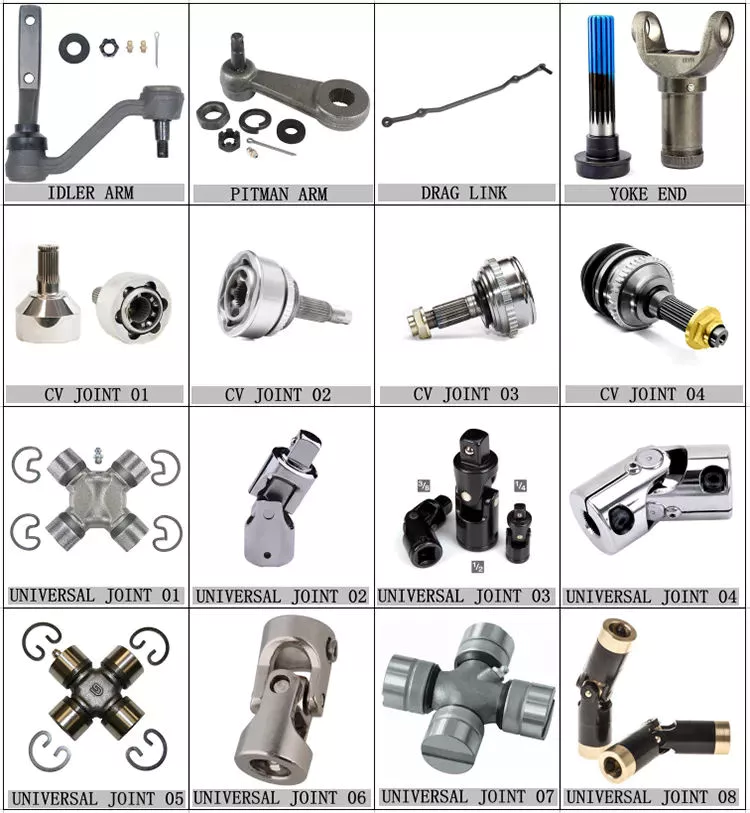
Drive shafts often incorporate flexible couplings, such as universal joints (U-joints) or constant velocity (CV) joints, to handle variations in speed and torque. These couplings provide flexibility and allow the drive shaft to transmit power even when the driving and driven components are not perfectly aligned. U-joints consist of two yokes connected by a cross-shaped bearing, allowing for angular movement between the drive shaft sections. This flexibility accommodates variations in speed and torque and compensates for misalignment. CV joints, which are commonly used in automotive drive shafts, maintain a constant velocity of rotation while accommodating changing operating angles. These flexible couplings enable smooth power transmission and reduce vibrations and wear caused by speed and torque variations.
2. Slip Joints:
In some drive shaft designs, slip joints are incorporated to handle variations in length and accommodate changes in distance between the driving and driven components. A slip joint consists of an inner and outer tubular section with splines or a telescoping mechanism. As the drive shaft experiences changes in length due to suspension movement or other factors, the slip joint allows the shaft to extend or compress without affecting the power transmission. By allowing axial movement, slip joints help prevent binding or excessive stress on the drive shaft during variations in speed and torque, ensuring smooth operation.
3. Balancing:
Drive shafts undergo balancing procedures to optimize their performance and minimize vibrations caused by speed and torque variations. Imbalances in the drive shaft can lead to vibrations, which not only affect the comfort of vehicle occupants but also increase wear and tear on the shaft and its associated components. Balancing involves redistributing mass along the drive shaft to achieve even weight distribution, reducing vibrations and improving overall performance. Dynamic balancing, which typically involves adding or removing small weights, ensures that the drive shaft operates smoothly even under varying speeds and torque loads.
4. Material Selection and Design:
The selection of materials and the design of drive shafts play a crucial role in handling variations in speed and torque. Drive shafts are typically made from high-strength materials, such as steel or aluminum alloys, chosen for their ability to withstand the forces and stresses associated with varying operating conditions. The diameter and wall thickness of the drive shaft are also carefully determined to ensure sufficient strength and stiffness. Additionally, the design incorporates considerations for factors such as critical speed, torsional rigidity, and resonance avoidance, which help maintain stability and performance during speed and torque variations.
5. Lubrication:
Proper lubrication is essential for drive shafts to handle variations in speed and torque. Lubricating the joints, such as U-joints or CV joints, reduces friction and heat generated during operation, ensuring smooth movement and minimizing wear. Adequate lubrication also helps prevent the binding of components, allowing the drive shaft to accommodate speed and torque variations more effectively. Regular lubrication maintenance is necessary to ensure optimal performance and extend the lifespan of the drive shaft.
6. System Monitoring:
Monitoring the performance of the drive shaft system is important to identify any issues related to variations in speed and torque. Unusual vibrations, noises, or changes in power transmission can indicate potential problems with the drive shaft. Regular inspections and maintenance checks allow for the early detection and resolution of issues, helping to prevent further damage and ensure the drive shaft continues to handle speed and torque variations effectively.
In summary, drive shafts handle variations in speed and torque during operation through the use of flexible couplings, slip joints, balancing procedures, appropriate material selection and design, lubrication, and system monitoring. These mechanisms and practices allow the drive shaft to accommodate misalignment, changes in length, and variations in power demands, ensuring efficient power transmission, smooth operation, and reduced wear and tear in various applications.

In che modo gli alberi di trasmissione migliorano le prestazioni di automobili e camion?
Gli alberi di trasmissione svolgono un ruolo fondamentale nel migliorare le prestazioni di automobili e camion. Contribuiscono a diversi aspetti delle prestazioni del veicolo, tra cui l'erogazione di potenza, la trazione, la maneggevolezza e l'efficienza complessiva. Ecco una spiegazione dettagliata di come gli alberi di trasmissione migliorano le prestazioni di automobili e camion:
1. Erogazione di energia: Drive shafts are responsible for transmitting power from the engine to the wheels, enabling the vehicle to move forward. By efficiently transferring power without significant losses, drive shafts ensure that the engine’s power is effectively utilized, resulting in improved acceleration and overall performance. Well-designed drive shafts with minimal power loss contribute to the vehicle’s ability to deliver power to the wheels efficiently.
2. Trasferimento di coppia: Gli alberi di trasmissione facilitano il trasferimento della coppia dal motore alle ruote. La coppia è la forza rotazionale che spinge il veicolo in avanti. Alberi di trasmissione di alta qualità con adeguate capacità di conversione della coppia assicurano che la coppia generata dal motore venga trasmessa efficacemente alle ruote. Ciò migliora la capacità del veicolo di accelerare rapidamente, trainare carichi pesanti e superare pendenze ripide, migliorando così le prestazioni complessive.
3. Trazione e stabilità: Gli alberi di trasmissione contribuiscono alla trazione e alla stabilità di automobili e camion. Trasmettono la potenza alle ruote, consentendo loro di esercitare forza sulla superficie stradale. Ciò permette al veicolo di mantenere la trazione, soprattutto in fase di accelerazione o quando si guida su terreni scivolosi o irregolari. L'efficiente trasmissione della potenza attraverso gli alberi di trasmissione migliora la stabilità del veicolo, garantendo una distribuzione equilibrata della potenza a tutte le ruote e migliorando il controllo e la maneggevolezza.
4. Manovrabilità e manovrabilità: Gli alberi di trasmissione influiscono sulla maneggevolezza e sulla guidabilità dei veicoli. Contribuiscono a stabilire un collegamento diretto tra il motore e le ruote, consentendo un controllo preciso e una risposta immediata allo sterzo. Alberi di trasmissione ben progettati, con gioco minimo, contribuiscono a una risposta più diretta e immediata ai comandi del guidatore, migliorando l'agilità e la manovrabilità del veicolo.
5. Riduzione del peso: Gli alberi di trasmissione possono contribuire alla riduzione del peso di automobili e camion. Gli alberi di trasmissione leggeri, realizzati con materiali come alluminio o compositi rinforzati con fibra di carbonio, riducono il peso complessivo del veicolo. La riduzione di peso migliora il rapporto peso/potenza, con conseguente miglioramento dell'accelerazione, della maneggevolezza e dell'efficienza dei consumi. Inoltre, gli alberi di trasmissione leggeri riducono la massa rotante, consentendo al motore di raggiungere regimi più elevati più rapidamente, migliorando ulteriormente le prestazioni.
6. Efficienza meccanica: Alberi di trasmissione efficienti riducono al minimo le perdite di energia durante la trasmissione di potenza. Grazie all'integrazione di caratteristiche quali cuscinetti di alta qualità, guarnizioni a basso attrito e lubrificazione ottimizzata, gli alberi di trasmissione riducono l'attrito e minimizzano le perdite di potenza dovute alla resistenza interna. Ciò migliora l'efficienza meccanica del sistema di trasmissione, consentendo a una maggiore potenza di raggiungere le ruote e migliorando le prestazioni complessive del veicolo.
7. Miglioramenti delle prestazioni: Drive shaft upgrades can be popular performance enhancements for enthusiasts. Upgraded drive shafts, such as those made from stronger materials or with enhanced torque capacity, can handle higher power outputs from modified engines. These upgrades allow for increased performance, such as improved acceleration, higher top speeds, and better overall driving dynamics.
8. Compatibilità con modifiche prestazionali: Le modifiche alle prestazioni, come l'aggiornamento del motore, l'aumento della potenza o le modifiche al sistema di trasmissione, spesso richiedono alberi di trasmissione compatibili. Gli alberi di trasmissione progettati per gestire carichi di coppia maggiori o per adattarsi a configurazioni di trasmissione modificate garantiscono prestazioni e affidabilità ottimali. Permettono al veicolo di sfruttare efficacemente la maggiore potenza e coppia, con conseguente miglioramento delle prestazioni e della reattività.
9. Durata e affidabilità: Alberi di trasmissione robusti e ben manutenuti contribuiscono alla durata e all'affidabilità di automobili e camion. Sono progettati per resistere alle sollecitazioni e ai carichi associati alla trasmissione di potenza. Materiali di alta qualità, un bilanciamento adeguato e una manutenzione regolare contribuiscono a garantire un funzionamento fluido degli alberi di trasmissione, riducendo al minimo il rischio di guasti o problemi di prestazioni. Alberi di trasmissione affidabili migliorano le prestazioni complessive fornendo un'erogazione di potenza costante e riducendo al minimo i tempi di fermo.
10. Compatibilità con le tecnologie avanzate: Gli alberi di trasmissione si evolvono di pari passo con i progressi delle tecnologie automobilistiche. Vengono sempre più integrati con sistemi avanzati come propulsori ibridi, motori elettrici e frenata rigenerativa. Gli alberi di trasmissione progettati per funzionare in modo ottimale con queste tecnologie massimizzano l'efficienza e i vantaggi in termini di prestazioni, contribuendo a migliorare le prestazioni complessive del veicolo.
In summary, drive shafts enhance the performance of automobiles and trucks by optimizing power delivery, facilitating torque transfer, improving traction and stability, enhancing handling and maneuverability, reducing weight, increasing mechanical efficiency, enabling compatibility with performance upgrades and advanced technologies, and ensuring durability and reliability. They play a crucial role in ensuring efficient power transmission, responsive acceleration, precise handling, and overall improved performance of vehicles.

How do drive shafts contribute to transferring rotational power in various applications?
Drive shafts play a crucial role in transferring rotational power from the engine or power source to the wheels or driven components in various applications. Whether it’s in vehicles or machinery, drive shafts enable efficient power transmission and facilitate the functioning of different systems. Here’s a detailed explanation of how drive shafts contribute to transferring rotational power:
1. Vehicle Applications:
In vehicles, drive shafts are responsible for transmitting rotational power from the engine to the wheels, enabling the vehicle to move. The drive shaft connects the gearbox or transmission output shaft to the differential, which further distributes the power to the wheels. As the engine generates torque, it is transferred through the drive shaft to the wheels, propelling the vehicle forward. This power transfer allows the vehicle to accelerate, maintain speed, and overcome resistance, such as friction and inclines.
2. Machinery Applications:
In machinery, drive shafts are utilized to transfer rotational power from the engine or motor to various driven components. For example, in industrial machinery, drive shafts may be used to transmit power to pumps, generators, conveyors, or other mechanical systems. In agricultural machinery, drive shafts are commonly employed to connect the power source to equipment such as harvesters, balers, or irrigation systems. Drive shafts enable these machines to perform their intended functions by delivering rotational power to the necessary components.
3. Power Transmission:
Drive shafts are designed to transmit rotational power efficiently and reliably. They are capable of transferring substantial amounts of torque from the engine to the wheels or driven components. The torque generated by the engine is transmitted through the drive shaft without significant power losses. By maintaining a rigid connection between the engine and the driven components, drive shafts ensure that the power produced by the engine is effectively utilized in performing useful work.
4. Giunto flessibile:
One of the key functions of drive shafts is to provide a flexible coupling between the engine/transmission and the wheels or driven components. This flexibility allows the drive shaft to accommodate angular movement and compensate for misalignment between the engine and the driven system. In vehicles, as the suspension system moves or the wheels encounter uneven terrain, the drive shaft adjusts its length and angle to maintain a constant power transfer. This flexibility helps prevent excessive stress on the drivetrain components and ensures smooth power transmission.
5. Torque and Speed Transmission:
Drive shafts are responsible for transmitting both torque and rotational speed. Torque is the rotational force generated by the engine or power source, while rotational speed is the number of revolutions per minute (RPM). Drive shafts must be capable of handling the torque requirements of the application without excessive twisting or bending. Additionally, they need to maintain the desired rotational speed to ensure the proper functioning of the driven components. Proper design, material selection, and balancing of the drive shafts contribute to efficient torque and speed transmission.
6. Length and Balance:
The length and balance of drive shafts are critical factors in their performance. The length of the drive shaft is determined by the distance between the engine or power source and the driven components. It should be appropriately sized to avoid excessive vibrations or bending. Drive shafts are carefully balanced to minimize vibrations and rotational imbalances, which can affect the overall performance, comfort, and longevity of the drivetrain system.
7. Safety and Maintenance:
Drive shafts require proper safety measures and regular maintenance. In vehicles, drive shafts are often enclosed within a protective tube or housing to prevent contact with moving parts, reducing the risk of injury. Safety shields or guards may also be installed around exposed drive shafts in machinery to protect operators from potential hazards. Regular maintenance includes inspecting the drive shaft for wear, damage, or misalignment, and ensuring proper lubrication of the U-joints. These measures help prevent failures, ensure optimal performance, and extend the service life of the drive shaft.
In summary, drive shafts play a vital role in transferring rotational power in various applications. Whether in vehicles or machinery, drive shafts enable efficient power transmission from the engine or power source to the wheels or driven components. They provide a flexible coupling, handle torque and speed transmission, accommodate angular movement, and contribute to the safety and maintenance of the system. By effectively transferring rotational power, drive shafts facilitate the functioning and performance of vehicles and machinery in numerous industries.


editor by CX 2024-04-24