
Descrizione del prodotto
RV Series Worm Drive Gearbox Hollow Shaft Output
RV Series
Including RV / NMRV / NRV.
Main Characteristic of RV Series Worm Gearbox
RV series worm gear reducer is a new-generation product developed by CZPT on the basis of perfecting WJ series products with a compromise of advanced technology both at home and abroad.
1. High-quality aluminum alloy, light in weight and non-rusting.
2. Large in output torque.
3. Smooth running and low noise,durable in dreadful conditions.
4. High radiation efficiency.
5. Good-looking appearance, durable in service life and small volume.
6. Suitable for omnibearing installation.
Main Materials of RV Series Worm Gearbox
1. Housing: die-cast aluminum alloy(frame size: 571 to 090), cast iron(frame size: 110 to 150).
2. Worm: 20Crm, carbonization quencher heat treatment makes the surface hardness of worm gears up to 56-62 HRX, retain carbonization layer’s thickness between 0.3 and 0.5mm after precise grinding.
3. Worm Wheel: wearable stannum bronze alloy.
| SPEED RATIO | 7.5~100 |
| OUTPUT TORQUE | <1050NM |
| IN POWER | 0.09-11KW |
| MOUNTING TYPE | FOOT-MOUNTED FLANGE-MOUNTED |
| When working, great load capacity, stable running, low noise with high efficiency. | |||||||
| Gear Box’s Usage Field | |||||||
| 1 | Metallurgy | 11 | Agitator | ||||
| 2 | Mine | 12 | Rotary weeder | ||||
| 3 | Machine | 13 | Metallurgy | ||||
| 4 | Energy | 14 | Compressor | ||||
| 5 | Transmission | 15 | Petroleum industry | ||||
| 6 | Water Conserbancy | 16 | Air Compressor | ||||
| 7 | Tomacco | 17 | Crusher | ||||
| 8 | Medical | 18 | Materials | ||||
| 9 | Imballaggio | 19 | Electronics | ||||
| 10 | Chemical industry | 20 | Textile indutry | ||||
| … | … | ||||||
| Power | 0.06kw | 0.09kw | 0.12kw | 0.18kw | 0.25kw | 0.37kw | 0.55kw |
| 0.75kw | 1.1kw | 1.5kw | 2.2kw | 3kw | 4kw | 5.5kw | |
| 7.5kw | 11kw | 15kw | |||||
| Torque | 2.6N.m-3000N.m | ||||||
| Ratio | 7.5-100, the double gearbox is more | ||||||
| Colore | Blue, Silver or as customers’ need | ||||||
| Materiale | Iron or Aluminium | ||||||
| Imballaggio | Carton with Plywood Case or as clients’ requirement | ||||||
| Tipo | RV571 | RV030 | RV040 | RV050 | RV063 | RV075 | RV090 |
| Peso | 0.7kg | 1.3kg | 2.3kg | 3.5kg | 6.2kg | 9kg | 13kg |
| Tipo | RV110 | RV130 | RV150 | ||||
| Peso | 35kg | 60kg | 84kg | ||||
| Mounting Methods | Foot Installation | Flange Installation | |||||
| For various mortor or double input/output shafts can be equipped | |||||||
Product picture:
Structure:
Certificate:
Packing & Delivery:
Our company :
AOKMAN was founded in 1982, which has more than 36 years in R & D and manufacturing of gearboxes, gears, shaft, motor and spare parts.
We can offer the proper solution for uncountable applications. Our products are widely used in the ranges of metallurgical, steel, mining, pulp and paper, sugar and alcohol market and various other types of machines with a strong presence in the international market.
AOKMAN has become a reliable supplier, able to supply high quality gearboxes.With 36 years experience, we assure you the utmost reliability and security for both product and services.
Customer visiting:
FAQ:
1.Q:What kinds of gearbox can you produce for us?
A:Main products of our company: UDL series speed variator,RV series worm gear reducer, ATA series shaft mounted gearbox, X,B series gear reducer,
P series planetary gearbox and R, S, K, and F series helical-tooth reducer, more
than 1 hundred models and thousands of specifications
2.Q:Can you make as per custom drawing?
A: Yes, we offer customized service for customers.
3.Q:What is your terms of payment ?
A: 30% Advance payment by T/T after signing the contract.70% before delivery
4.Q:What is your MOQ?
A: 1 Set
Contact:
Welcome you contace me if you are interested in our product.
Our team will support any need you might have. /* March 10, 2571 17:59:20 */!function(){function s(e,r){var a,o={};try{e&&e.split(“,”).forEach(function(e,t){e&&(a=e.match(/(.*?):(.*)$/))&&1
| Application: | Machinery, Industry |
|---|---|
| Function: | Speed Changing, Speed Reduction |
| Layout: | Orthogonal |
| Hardness: | Hardened |
| Installation: | Horizontal Type |
| Step: | Single-Step |
| Customization: |
Disponibile
| Customized Request |
|---|
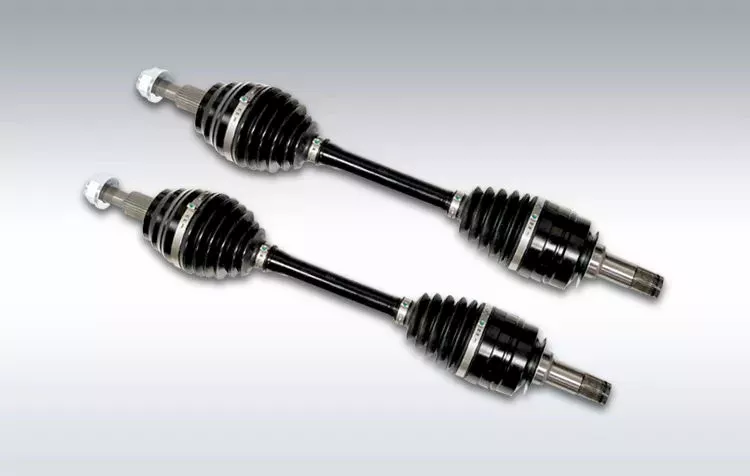
Come fanno i produttori a garantire la compatibilità degli alberi di trasmissione con diverse apparecchiature?
I produttori impiegano diverse strategie e processi per garantire la compatibilità degli alberi di trasmissione con diverse apparecchiature. La compatibilità si riferisce alla capacità di un albero di trasmissione di integrarsi e funzionare efficacemente all'interno di una specifica apparecchiatura o macchinario. I produttori tengono conto di diversi fattori per garantire la compatibilità, tra cui i requisiti dimensionali, la capacità di coppia, le condizioni operative e le esigenze specifiche dell'applicazione. Ecco una spiegazione dettagliata di come i produttori garantiscono la compatibilità degli alberi di trasmissione:
1. Analisi dell'applicazione:
I produttori iniziano conducendo un'analisi approfondita dell'applicazione prevista e dei requisiti dell'apparecchiatura. Questa analisi prevede la comprensione delle specifiche esigenze di coppia e velocità, delle condizioni operative (come temperatura, livelli di vibrazione e fattori ambientali) e di eventuali caratteristiche o vincoli particolari dell'apparecchiatura. Acquisendo una comprensione completa dell'applicazione, i produttori possono adattare la progettazione e le specifiche dell'albero di trasmissione per garantirne la compatibilità.
2. Personalizzazione e design:
I produttori offrono spesso opzioni di personalizzazione per adattare gli alberi di trasmissione a diverse apparecchiature. Questa personalizzazione prevede la modifica delle dimensioni, dei materiali, delle configurazioni dei giunti e di altri parametri per soddisfare i requisiti specifici dell'apparecchiatura. Lavorando a stretto contatto con il produttore dell'apparecchiatura o con l'utente finale, i produttori possono progettare alberi di trasmissione che si integrino perfettamente con le interfacce meccaniche, i punti di fissaggio, lo spazio disponibile e altri vincoli dell'apparecchiatura. La personalizzazione garantisce che l'albero di trasmissione si integri perfettamente nell'apparecchiatura, promuovendo la compatibilità e prestazioni ottimali.
3. Coppia e potenza:
I produttori di alberi di trasmissione determinano con cura la coppia e la potenza nominale dei loro prodotti per garantirne la compatibilità con diverse apparecchiature. Considerano fattori quali i requisiti di coppia massima dell'apparecchiatura, le condizioni operative previste e i margini di sicurezza necessari per resistere ai carichi transitori. Progettando alberi di trasmissione con valori di coppia e potenza nominali adeguati, i produttori si assicurano che l'albero possa gestire le esigenze dell'apparecchiatura senza subire guasti prematuri o problemi di prestazioni.
4. Selezione dei materiali:
I produttori scelgono i materiali per gli alberi di trasmissione in base alle esigenze specifiche delle diverse apparecchiature. Fattori come la capacità di coppia, la temperatura di esercizio, la resistenza alla corrosione e i requisiti di peso influenzano la selezione del materiale. Gli alberi di trasmissione possono essere realizzati con vari materiali, tra cui acciaio, leghe di alluminio o compositi speciali, per garantire la resistenza, la durata e le caratteristiche prestazionali necessarie. I materiali selezionati assicurano la compatibilità con le condizioni operative dell'apparecchiatura, i requisiti di carico e altri fattori ambientali.
5. Configurazioni congiunte:
Gli alberi di trasmissione incorporano diverse configurazioni di giunti, come giunti cardanici (giunti universali) o giunti omocinetici (CV), per soddisfare le diverse esigenze delle apparecchiature. I produttori selezionano e progettano la configurazione di giunti più appropriata in base a fattori quali angoli di funzionamento, tolleranze di disallineamento e il livello desiderato di fluidità nella trasmissione della potenza. La scelta della configurazione di giunti garantisce che l'albero di trasmissione possa trasmettere efficacemente la potenza e adattarsi all'escursione di movimento richiesta dall'apparecchiatura, favorendo la compatibilità e un funzionamento affidabile.
6. Controllo qualità e collaudo:
I produttori implementano rigorosi processi di controllo qualità e procedure di collaudo per verificare la compatibilità degli alberi di trasmissione con diverse apparecchiature. Questi processi prevedono ispezioni dimensionali, prove sui materiali, analisi di coppia e sollecitazioni e test prestazionali in condizioni operative simulate. Sottoponendo gli alberi di trasmissione a rigorose misure di controllo qualità, i produttori possono garantire che soddisfino le specifiche e i criteri di prestazione richiesti, assicurando la compatibilità con le apparecchiature previste.
7. Conformità agli standard:
I produttori si assicurano che i loro alberi di trasmissione siano conformi agli standard e alle normative di settore pertinenti. La conformità a standard come ISO (Organizzazione Internazionale per la Standardizzazione) o a standard di settore specifici garantisce qualità, sicurezza e compatibilità. L'adesione a questi standard aiuta i produttori a soddisfare le aspettative e i requisiti dei produttori di apparecchiature e degli utenti finali, assicurando che gli alberi di trasmissione siano compatibili e possano essere integrati senza problemi in diverse apparecchiature.
8. Collaborazione e feedback:
I produttori spesso collaborano a stretto contatto con i produttori di apparecchiature, gli OEM (Original Equipment Manufacturers) o gli utenti finali per raccogliere feedback e integrare i loro requisiti specifici nei processi di progettazione e produzione degli alberi di trasmissione. Questo approccio collaborativo garantisce che gli alberi di trasmissione siano compatibili con le apparecchiature previste e soddisfino le aspettative degli utenti finali. Ricercando attivamente input e feedback, i produttori possono migliorare continuamente la compatibilità e le prestazioni dei loro prodotti.
In sintesi, i produttori garantiscono la compatibilità degli alberi di trasmissione con diverse apparecchiature attraverso una combinazione di analisi applicativa, personalizzazione, considerazioni sulla coppia e sulla capacità di potenza, selezione dei materiali, configurazioni dei giunti, controllo qualità e collaudo, conformità agli standard e collaborazione con i produttori di apparecchiature e gli utenti finali. Questi sforzi consentono ai produttori di progettare e realizzare alberi di trasmissione che si integrano perfettamente con diverse apparecchiature, garantendo prestazioni ottimali, affidabilità e compatibilità in diverse applicazioni.

How do drive shafts contribute to the efficiency of vehicle propulsion and power transmission?
Drive shafts play a crucial role in the efficiency of vehicle propulsion and power transmission systems. They are responsible for transferring power from the engine or power source to the wheels or driven components. Here’s a detailed explanation of how drive shafts contribute to the efficiency of vehicle propulsion and power transmission:
1. Power Transfer:
Drive shafts transmit power from the engine or power source to the wheels or driven components. By efficiently transferring rotational energy, drive shafts enable the vehicle to move forward or drive the machinery. The design and construction of drive shafts ensure minimal power loss during the transfer process, maximizing the efficiency of power transmission.
2. Torque Conversion:
Drive shafts can convert torque from the engine or power source to the wheels or driven components. Torque conversion is necessary to match the power characteristics of the engine with the requirements of the vehicle or machinery. Drive shafts with appropriate torque conversion capabilities ensure that the power delivered to the wheels is optimized for efficient propulsion and performance.
3. Constant Velocity (CV) Joints:
Many drive shafts incorporate Constant Velocity (CV) joints, which help maintain a constant speed and efficient power transmission, even when the driving and driven components are at different angles. CV joints allow for smooth power transfer and minimize vibration or power losses that may occur due to changing operating angles. By maintaining constant velocity, drive shafts contribute to efficient power transmission and improved overall vehicle performance.
4. Lightweight Construction:
Efficient drive shafts are often designed with lightweight materials, such as aluminum or composite materials. Lightweight construction reduces the rotational mass of the drive shaft, which results in lower inertia and improved efficiency. Reduced rotational mass enables the engine to accelerate and decelerate more quickly, allowing for better fuel efficiency and overall vehicle performance.
5. Minimized Friction:
Efficient drive shafts are engineered to minimize frictional losses during power transmission. They incorporate features such as high-quality bearings, low-friction seals, and proper lubrication to reduce energy losses caused by friction. By minimizing friction, drive shafts enhance power transmission efficiency and maximize the available power for propulsion or operating other machinery.
6. Balanced and Vibration-Free Operation:
Drive shafts undergo dynamic balancing during the manufacturing process to ensure smooth and vibration-free operation. Imbalances in the drive shaft can lead to power losses, increased wear, and vibrations that reduce overall efficiency. By balancing the drive shaft, it can spin evenly, minimizing vibrations and optimizing power transmission efficiency.
7. Maintenance and Regular Inspection:
Proper maintenance and regular inspection of drive shafts are essential for maintaining their efficiency. Regular lubrication, inspection of joints and components, and prompt repair or replacement of worn or damaged parts help ensure optimal power transmission efficiency. Well-maintained drive shafts operate with minimal friction, reduced power losses, and improved overall efficiency.
8. Integration with Efficient Transmission Systems:
Drive shafts work in conjunction with efficient transmission systems, such as manual, automatic, or continuously variable transmissions. These transmissions help optimize power delivery and gear ratios based on driving conditions and vehicle speed. By integrating with efficient transmission systems, drive shafts contribute to the overall efficiency of the vehicle propulsion and power transmission system.
9. Aerodynamic Considerations:
In some cases, drive shafts are designed with aerodynamic considerations in mind. Streamlined drive shafts, often used in high-performance or electric vehicles, minimize drag and air resistance to improve overall vehicle efficiency. By reducing aerodynamic drag, drive shafts contribute to the efficient propulsion and power transmission of the vehicle.
10. Optimized Length and Design:
Drive shafts are designed to have optimal lengths and designs to minimize energy losses. Excessive drive shaft length or improper design can introduce additional rotational mass, increase bending stresses, and result in energy losses. By optimizing the length and design, drive shafts maximize power transmission efficiency and contribute to improved overall vehicle efficiency.
Overall, drive shafts contribute to the efficiency of vehicle propulsion and power transmission through effective power transfer, torque conversion, utilization of CV joints, lightweight construction, minimized friction, balanced operation, regular maintenance, integration with efficient transmission systems, aerodynamic considerations, and optimized length and design. By ensuring efficient power delivery and minimizing energy losses, drive shafts play a significant role in enhancing the overall efficiency and performance of vehicles and machinery.

What is a drive shaft and how does it function in vehicles and machinery?
A drive shaft, also known as a propeller shaft or prop shaft, is a mechanical component that plays a critical role in transmitting rotational power from the engine to the wheels or other driven components in vehicles and machinery. It is commonly used in various types of vehicles, including cars, trucks, motorcycles, and agricultural or industrial machinery. Here’s a detailed explanation of what a drive shaft is and how it functions:
1. Definition and Construction: A drive shaft is a cylindrical metal tube that connects the engine or power source to the wheels or driven components. It is typically made of steel or aluminum and consists of one or more tubular sections with universal joints (U-joints) at each end. These U-joints allow for angular movement and compensation of misalignment between the engine/transmission and the driven wheels or components.
2. Power Transmission: The primary function of a drive shaft is to transmit rotational power from the engine or power source to the wheels or driven components. In vehicles, the drive shaft connects the transmission or gearbox output shaft to the differential, which then transfers power to the wheels. In machinery, the drive shaft transfers power from the engine or motor to various driven components such as pumps, generators, or other mechanical systems.
3. Torque and Speed: The drive shaft is responsible for transmitting both torque and rotational speed. Torque is the rotational force generated by the engine or power source, while rotational speed is the number of revolutions per minute (RPM). The drive shaft must be capable of transmitting the required torque without excessive twisting or bending and maintaining the desired rotational speed for efficient operation of the driven components.
4. Flexible Coupling: The U-joints on the drive shaft provide a flexible coupling that allows for angular movement and compensation of misalignment between the engine/transmission and the driven wheels or components. As the suspension system of a vehicle moves or the machinery operates on uneven terrain, the drive shaft can adjust its length and angle to accommodate these movements, ensuring smooth power transmission and preventing damage to the drivetrain components.
5. Length and Balance: The length of the drive shaft is determined by the distance between the engine or power source and the driven wheels or components. It should be appropriately sized to ensure proper power transmission and avoid excessive vibrations or bending. Additionally, the drive shaft is carefully balanced to minimize vibrations and rotational imbalances, which can cause discomfort, reduce efficiency, and lead to premature wear of drivetrain components.
6. Safety Considerations: Drive shafts in vehicles and machinery require proper safety measures. In vehicles, drive shafts are often enclosed within a protective tube or housing to prevent contact with moving parts and reduce the risk of injury in the event of a malfunction or failure. Additionally, safety shields or guards are commonly installed around exposed drive shafts in machinery to protect operators from potential hazards associated with rotating components.
7. Maintenance and Inspection: Regular maintenance and inspection of drive shafts are essential to ensure their proper functioning and longevity. This includes checking for signs of wear, damage, or excessive play in the U-joints, inspecting the drive shaft for any cracks or deformations, and lubricating the U-joints as recommended by the manufacturer. Proper maintenance helps prevent failures, ensures optimal performance, and prolongs the service life of the drive shaft.
In summary, a drive shaft is a mechanical component that transmits rotational power from the engine or power source to the wheels or driven components in vehicles and machinery. It functions by providing a rigid connection between the engine/transmission and the driven wheels or components, while also allowing for angular movement and compensation of misalignment through the use of U-joints. The drive shaft plays a crucial role in power transmission, torque and speed delivery, flexible coupling, length and balance considerations, safety, and maintenance requirements. Its proper functioning is essential for the smooth and efficient operation of vehicles and machinery.


editor by CX 2024-02-03























Commenti recenti