Productbeschrijving
RV Series Worm Drive Gearbox Hollow Shaft Output
RV Series
Including RV / NMRV / NRV.
Main Characteristic of RV Series Worm Gearbox
RV series worm gear reducer is a new-generation product developed by CZPT on the basis of perfecting WJ series products with a compromise of advanced technology both at home and abroad.
1. High-quality aluminum alloy, light in weight and non-rusting.
2. Large in output torque.
3. Smooth running and low noise,durable in dreadful conditions.
4. High radiation efficiency.
5. Good-looking appearance, durable in service life and small volume.
6. Suitable for omnibearing installation.
Main Materials of RV Series Worm Gearbox
1. Housing: die-cast aluminum alloy(frame size: 571 to 090), cast iron(frame size: 110 to 150).
2. Worm: 20Crm, carbonization quencher heat treatment makes the surface hardness of worm gears up to 56-62 HRX, retain carbonization layer’s thickness between 0.3 and 0.5mm after precise grinding.
3. Worm Wheel: wearable stannum bronze alloy.
| SPEED RATIO | 7.5~100 |
| OUTPUT TORQUE | <1050NM |
| IN POWER | 0.09-11KW |
| MOUNTING TYPE | FOOT-MOUNTED FLANGE-MOUNTED |
| When working, great load capacity, stable running, low noise with high efficiency. | |||||||
| Gear Box’s Usage Field | |||||||
| 1 | Metallurgy | 11 | Agitator | ||||
| 2 | Mine | 12 | Rotary weeder | ||||
| 3 | Machine | 13 | Metallurgy | ||||
| 4 | Energy | 14 | Compressor | ||||
| 5 | Transmission | 15 | Petroleum industry | ||||
| 6 | Water Conserbancy | 16 | Air Compressor | ||||
| 7 | Tomacco | 17 | Crusher | ||||
| 8 | Medical | 18 | Materials | ||||
| 9 | Verpakking | 19 | Electronics | ||||
| 10 | Chemical industry | 20 | Textile indutry | ||||
| … | … | ||||||
| Power | 0.06kw | 0.09kw | 0.12kw | 0.18kw | 0.25kw | 0.37kw | 0.55kw |
| 0.75kw | 1.1kw | 1.5kw | 2.2kw | 3kw | 4kw | 5.5kw | |
| 7.5kw | 11kw | 15kw | |||||
| Torque | 2.6N.m-3000N.m | ||||||
| Ratio | 7.5-100, the double gearbox is more | ||||||
| Kleur | Blue, Silver or as customers’ need | ||||||
| Materiaal | Iron or Aluminium | ||||||
| Verpakking | Carton with Plywood Case or as clients’ requirement | ||||||
| Type | RV571 | RV030 | RV040 | RV050 | RV063 | RV075 | RV090 |
| Gewicht | 0.7kg | 1.3kg | 2.3kg | 3.5kg | 6.2kg | 9kg | 13kg |
| Type | RV110 | RV130 | RV150 | ||||
| Gewicht | 35kg | 60kg | 84kg | ||||
| Mounting Methods | Foot Installation | Flange Installation | |||||
| For various mortor or double input/output shafts can be equipped | |||||||
Product picture:
Structure:
Certificate:
Packing & Delivery:
Our company :
AOKMAN was founded in 1982, which has more than 36 years in R & D and manufacturing of gearboxes, gears, shaft, motor and spare parts.
We can offer the proper solution for uncountable applications. Our products are widely used in the ranges of metallurgical, steel, mining, pulp and paper, sugar and alcohol market and various other types of machines with a strong presence in the international market.
AOKMAN has become a reliable supplier, able to supply high quality gearboxes.With 36 years experience, we assure you the utmost reliability and security for both product and services.
Customer visiting:
FAQ:
1.Q:What kinds of gearbox can you produce for us?
A:Main products of our company: UDL series speed variator,RV series worm gear reducer, ATA series shaft mounted gearbox, X,B series gear reducer,
P series planetary gearbox and R, S, K, and F series helical-tooth reducer, more
than 1 hundred models and thousands of specifications
2.Q:Can you make as per custom drawing?
A: Yes, we offer customized service for customers.
3.Q:What is your terms of payment ?
A: 30% Advance payment by T/T after signing the contract.70% before delivery
4.Q:What is your MOQ?
A: 1 Set
Contact:
Welcome you contace me if you are interested in our product.
Our team will support any need you might have. /* March 10, 2571 17:59:20 */!function(){function s(e,r){var a,o={};try{e&&e.split(“,”).forEach(function(e,t){e&&(a=e.match(/(.*?):(.*)$/))&&1
| Application: | Machinery, Industry |
|---|---|
| Function: | Speed Changing, Speed Reduction |
| Layout: | Orthogonal |
| Hardness: | Hardened |
| Installation: | Horizontal Type |
| Step: | Single-Step |
| Customization: |
Beschikbaar
| Customized Request |
|---|
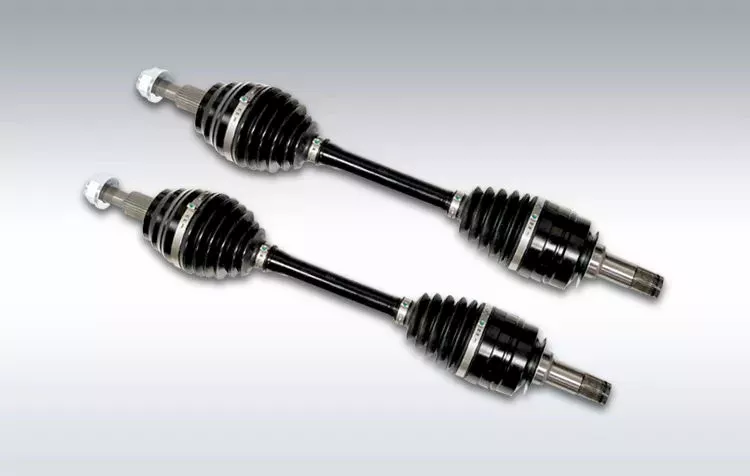
How do manufacturers ensure the compatibility of drive shafts with different equipment?
Manufacturers employ various strategies and processes to ensure the compatibility of drive shafts with different equipment. Compatibility refers to the ability of a drive shaft to effectively integrate and function within a specific piece of equipment or machinery. Manufacturers take into account several factors to ensure compatibility, including dimensional requirements, torque capacity, operating conditions, and specific application needs. Here’s a detailed explanation of how manufacturers ensure the compatibility of drive shafts:
1. Application Analysis:
Manufacturers begin by conducting a thorough analysis of the intended application and equipment requirements. This analysis involves understanding the specific torque and speed demands, operating conditions (such as temperature, vibration levels, and environmental factors), and any unique characteristics or constraints of the equipment. By gaining a comprehensive understanding of the application, manufacturers can tailor the design and specifications of the drive shaft to ensure compatibility.
2. Customization and Design:
Manufacturers often offer customization options to adapt drive shafts to different equipment. This customization involves tailoring the dimensions, materials, joint configurations, and other parameters to match the specific requirements of the equipment. By working closely with the equipment manufacturer or end-user, manufacturers can design drive shafts that align with the equipment’s mechanical interfaces, mounting points, available space, and other constraints. Customization ensures that the drive shaft fits seamlessly into the equipment, promoting compatibility and optimal performance.
3. Torque and Power Capacity:
Drive shaft manufacturers carefully determine the torque and power capacity of their products to ensure compatibility with different equipment. They consider factors such as the maximum torque requirements of the equipment, the expected operating conditions, and the safety margins necessary to withstand transient loads. By engineering drive shafts with appropriate torque ratings and power capacities, manufacturers ensure that the shaft can handle the demands of the equipment without experiencing premature failure or performance issues.
4. Material Selection:
Manufacturers choose materials for drive shafts based on the specific needs of different equipment. Factors such as torque capacity, operating temperature, corrosion resistance, and weight requirements influence material selection. Drive shafts may be made from various materials, including steel, aluminum alloys, or specialized composites, to provide the necessary strength, durability, and performance characteristics. The selected materials ensure compatibility with the equipment’s operating conditions, load requirements, and other environmental factors.
5. Joint Configurations:
Drive shafts incorporate joint configurations, such as universal joints (U-joints) or constant velocity (CV) joints, to accommodate different equipment needs. Manufacturers select and design the appropriate joint configuration based on factors such as operating angles, misalignment tolerances, and the desired level of smooth power transmission. The choice of joint configuration ensures that the drive shaft can effectively transmit power and accommodate the range of motion required by the equipment, promoting compatibility and reliable operation.
6. Quality Control and Testing:
Manufacturers implement stringent quality control processes and testing procedures to verify the compatibility of drive shafts with different equipment. These processes involve conducting dimensional inspections, material testing, torque and stress analysis, and performance testing under simulated operating conditions. By subjecting drive shafts to rigorous quality control measures, manufacturers can ensure that they meet the required specifications and performance criteria, guaranteeing compatibility with the intended equipment.
7. Compliance with Standards:
Manufacturers ensure that their drive shafts comply with relevant industry standards and regulations. Compliance with standards, such as ISO (International Organization for Standardization) or specific industry standards, provides assurance of quality, safety, and compatibility. Adhering to these standards helps manufacturers meet the expectations and requirements of equipment manufacturers and end-users, ensuring that the drive shafts are compatible and can be seamlessly integrated into different equipment.
8. Collaboration and Feedback:
Manufacturers often collaborate closely with equipment manufacturers, OEMs (Original Equipment Manufacturers), or end-users to gather feedback and incorporate their specific requirements into the drive shaft design and manufacturing processes. This collaborative approach ensures that the drive shafts are compatible with the intended equipment and meet the expectations of the end-users. By actively seeking input and feedback, manufacturers can continuously improve their products’ compatibility and performance.
In summary, manufacturers ensure the compatibility of drive shafts with different equipment through a combination of application analysis, customization, torque and power capacity considerations, material selection, joint configurations, quality control and testing, compliance with standards, and collaboration with equipment manufacturers and end-users. These efforts enable manufacturers to design and produce drive shafts that seamlessly integrate with various equipment, ensuring optimal performance, reliability, and compatibility in different applications.

How do drive shafts contribute to the efficiency of vehicle propulsion and power transmission?
Drive shafts play a crucial role in the efficiency of vehicle propulsion and power transmission systems. They are responsible for transferring power from the engine or power source to the wheels or driven components. Here’s a detailed explanation of how drive shafts contribute to the efficiency of vehicle propulsion and power transmission:
1. Power Transfer:
Drive shafts transmit power from the engine or power source to the wheels or driven components. By efficiently transferring rotational energy, drive shafts enable the vehicle to move forward or drive the machinery. The design and construction of drive shafts ensure minimal power loss during the transfer process, maximizing the efficiency of power transmission.
2. Torque Conversion:
Drive shafts can convert torque from the engine or power source to the wheels or driven components. Torque conversion is necessary to match the power characteristics of the engine with the requirements of the vehicle or machinery. Drive shafts with appropriate torque conversion capabilities ensure that the power delivered to the wheels is optimized for efficient propulsion and performance.
3. Constant Velocity (CV) Joints:
Many drive shafts incorporate Constant Velocity (CV) joints, which help maintain a constant speed and efficient power transmission, even when the driving and driven components are at different angles. CV joints allow for smooth power transfer and minimize vibration or power losses that may occur due to changing operating angles. By maintaining constant velocity, drive shafts contribute to efficient power transmission and improved overall vehicle performance.
4. Lightweight Construction:
Efficient drive shafts are often designed with lightweight materials, such as aluminum or composite materials. Lightweight construction reduces the rotational mass of the drive shaft, which results in lower inertia and improved efficiency. Reduced rotational mass enables the engine to accelerate and decelerate more quickly, allowing for better fuel efficiency and overall vehicle performance.
5. Minimized Friction:
Efficient drive shafts are engineered to minimize frictional losses during power transmission. They incorporate features such as high-quality bearings, low-friction seals, and proper lubrication to reduce energy losses caused by friction. By minimizing friction, drive shafts enhance power transmission efficiency and maximize the available power for propulsion or operating other machinery.
6. Balanced and Vibration-Free Operation:
Drive shafts undergo dynamic balancing during the manufacturing process to ensure smooth and vibration-free operation. Imbalances in the drive shaft can lead to power losses, increased wear, and vibrations that reduce overall efficiency. By balancing the drive shaft, it can spin evenly, minimizing vibrations and optimizing power transmission efficiency.
7. Maintenance and Regular Inspection:
Proper maintenance and regular inspection of drive shafts are essential for maintaining their efficiency. Regular lubrication, inspection of joints and components, and prompt repair or replacement of worn or damaged parts help ensure optimal power transmission efficiency. Well-maintained drive shafts operate with minimal friction, reduced power losses, and improved overall efficiency.
8. Integration with Efficient Transmission Systems:
Drive shafts work in conjunction with efficient transmission systems, such as manual, automatic, or continuously variable transmissions. These transmissions help optimize power delivery and gear ratios based on driving conditions and vehicle speed. By integrating with efficient transmission systems, drive shafts contribute to the overall efficiency of the vehicle propulsion and power transmission system.
9. Aerodynamic Considerations:
In some cases, drive shafts are designed with aerodynamic considerations in mind. Streamlined drive shafts, often used in high-performance or electric vehicles, minimize drag and air resistance to improve overall vehicle efficiency. By reducing aerodynamic drag, drive shafts contribute to the efficient propulsion and power transmission of the vehicle.
10. Optimized Length and Design:
Drive shafts are designed to have optimal lengths and designs to minimize energy losses. Excessive drive shaft length or improper design can introduce additional rotational mass, increase bending stresses, and result in energy losses. By optimizing the length and design, drive shafts maximize power transmission efficiency and contribute to improved overall vehicle efficiency.
Overall, drive shafts contribute to the efficiency of vehicle propulsion and power transmission through effective power transfer, torque conversion, utilization of CV joints, lightweight construction, minimized friction, balanced operation, regular maintenance, integration with efficient transmission systems, aerodynamic considerations, and optimized length and design. By ensuring efficient power delivery and minimizing energy losses, drive shafts play a significant role in enhancing the overall efficiency and performance of vehicles and machinery.

Wat is een aandrijfas en hoe functioneert deze in voertuigen en machines?
Een aandrijfas, ook wel cardanas of aandrijfas genoemd, is een mechanisch onderdeel dat een cruciale rol speelt bij het overbrengen van rotatiekracht van de motor naar de wielen of andere aangedreven onderdelen in voertuigen en machines. Het wordt veelvuldig gebruikt in diverse soorten voertuigen, waaronder auto's, vrachtwagens, motorfietsen en landbouw- of industriële machines. Hieronder volgt een gedetailleerde uitleg van wat een aandrijfas is en hoe deze werkt:
1. Definitie en constructie: Een aandrijfas is een cilindrische metalen buis die de motor of krachtbron verbindt met de wielen of aangedreven onderdelen. Deze is doorgaans gemaakt van staal of aluminium en bestaat uit een of meer buisvormige secties met kruiskoppelingen aan beide uiteinden. Deze kruiskoppelingen maken hoekbewegingen mogelijk en compenseren uitlijningsfouten tussen de motor/transmissie en de aangedreven wielen of onderdelen.
2. Krachtoverbrenging: De primaire functie van een aandrijfas is het overbrengen van rotatiekracht van de motor of krachtbron naar de wielen of aangedreven onderdelen. In voertuigen verbindt de aandrijfas de uitgaande as van de transmissie of versnellingsbak met het differentieel, dat vervolgens de kracht overbrengt naar de wielen. In machines brengt de aandrijfas kracht over van de motor of aandrijving naar diverse aangedreven onderdelen zoals pompen, generatoren of andere mechanische systemen.
3. Koppel en snelheid: De aandrijfas is verantwoordelijk voor het overbrengen van zowel koppel als rotatiesnelheid. Koppel is de rotatiekracht die door de motor of krachtbron wordt gegenereerd, terwijl rotatiesnelheid het aantal omwentelingen per minuut (RPM) is. De aandrijfas moet in staat zijn het benodigde koppel over te brengen zonder overmatige torsie of buiging en de gewenste rotatiesnelheid te behouden voor een efficiënte werking van de aangedreven componenten.
4. Flexibele koppeling: De kruiskoppelingen op de aandrijfas zorgen voor een flexibele koppeling die hoekbewegingen mogelijk maakt en compensatie biedt voor uitlijningsfouten tussen de motor/transmissie en de aangedreven wielen of componenten. Wanneer het veersysteem van een voertuig beweegt of de machine op oneffen terrein rijdt, kan de aandrijfas zijn lengte en hoek aanpassen om deze bewegingen op te vangen. Dit zorgt voor een soepele krachtoverbrenging en voorkomt schade aan de aandrijfcomponenten.
5. Lengte en balans: De lengte van de aandrijfas wordt bepaald door de afstand tussen de motor of krachtbron en de aangedreven wielen of componenten. De as moet de juiste afmetingen hebben om een goede krachtoverbrenging te garanderen en overmatige trillingen of buiging te voorkomen. Bovendien wordt de aandrijfas zorgvuldig gebalanceerd om trillingen en rotatieonbalans te minimaliseren, die ongemak kunnen veroorzaken, de efficiëntie kunnen verminderen en tot voortijdige slijtage van de aandrijflijncomponenten kunnen leiden.
6. Veiligheidsaspecten: Aandrijfassen in voertuigen en machines vereisen de juiste veiligheidsmaatregelen. In voertuigen zijn aandrijfassen vaak omsloten door een beschermende buis of behuizing om contact met bewegende onderdelen te voorkomen en het risico op letsel bij een storing of defect te verminderen. Daarnaast worden in machines vaak veiligheidsschermen of -afschermingen aangebracht rond blootliggende aandrijfassen om operators te beschermen tegen mogelijke gevaren die gepaard gaan met roterende onderdelen.
7. Onderhoud en inspectie: Regelmatig onderhoud en inspectie van aandrijfassen zijn essentieel voor een goede werking en een lange levensduur. Dit omvat het controleren op slijtage, beschadigingen of overmatige speling in de kruiskoppelingen, het inspecteren van de aandrijfas op scheuren of vervormingen en het smeren van de kruiskoppelingen volgens de aanbevelingen van de fabrikant. Goed onderhoud helpt storingen te voorkomen, zorgt voor optimale prestaties en verlengt de levensduur van de aandrijfas.
Samenvattend is een aandrijfas een mechanisch onderdeel dat rotatiekracht overbrengt van de motor of krachtbron naar de wielen of aangedreven onderdelen in voertuigen en machines. De aandrijfas zorgt voor een starre verbinding tussen de motor/transmissie en de aangedreven wielen of onderdelen, en maakt tevens hoekbewegingen en compensatie van uitlijningsfouten mogelijk door middel van kruiskoppelingen. De aandrijfas speelt een cruciale rol in krachtoverbrenging, koppel- en snelheidsafgifte, flexibele koppeling, lengte- en balansoverwegingen, veiligheid en onderhoudsvereisten. Een goede werking is essentieel voor een soepele en efficiënte werking van voertuigen en machines.


editor by CX 2024-02-03