
Описание продукта
Wide Angle Pto Adaptor Cardan Spline Shaft Yoke Tube Torque Limiter Universal Joint cross Cover Agricultural Machinery Tractor Parts Pto Drive Shaft
Описание продукта
A PTO shaft (Power Take-Off shaft) is a mechanical component used to transfer power from a tractor or other power source to an attached implement such as a mower, tiller, or baler. The PTO shaft is typically located at the rear of the tractor and is powered by the tractor’s engine through the transmission.
The PTO shaft is designed to provide a rotating power source to the implement, allowing it to perform its intended function. The implement is connected to the PTO shaft using a universal joint, which allows for movement between the tractor and the implement while still maintaining a constant power transfer.
Here is our advantages when compare to similar products from China:
1.Forged yokes make PTO shafts strong enough for usage and working;
2.Internal sizes standard to confirm installation smooth;
3.CE and ISO certificates to guarantee to quality of our goods;
4.Strong and professional package to confirm the good situation when you receive the goods.
Технические характеристики изделия
| SHIELD S | SHIELD W |
Packaging & Shipping
Профиль компании
HangZhou Hanon Technology Co.,ltd is a modern enterprise specilizing in the development,production,sales and services of Agricultural Parts like PTO shaft and Gearboxes and Hydraulic parts like Cylinder , Valve ,Gearpump and motor etc..
We adhere to the principle of ” High Quality, Customers’Satisfaction”, using advanced technology and equipments to ensure all the technical standards of transmission .We follow the principle of people first , trying our best to set up a pleasant surroundings and platform of performance for each employee. So everyone can be self-consciously active to join Hanon Machinery.
Часто задаваемые вопросы
1.What’re your main products?
we currently product Agricultural Parts like PTO shaft and Gearboxes and Hydraulic parts like Cylinder , Valve ,Gear pump and motor.You can check the specifications for above product on our website and you can email us to recommend needed product per your specification too.
2.What’s the lead time for a regular order?
Generally speaking, our regular standard product will need 30-45days, a bit longer for customized products. But we are very flexible on the lead time, it will depend on the specific orders.
3.What’s your warranty terms?
One year.
4.Can you send me a price list?
For all of our product, they are customized based on different requirements like length, ratio,voltage,and power etc. The price also varies according to annual quantity. So it’s really difficult for us to provide a price list. If you can share your detailed requirements and annual quantity, we’ll see what offer we can provide.
5.What’s the payment term?
When we quote for you,we will confirm with you the way of transaction,FOB,CIFetc.<br> For mass production goods, you need to pay 30% deposit before producing and70% balance against copy of documents.The most common way is by T/T.
6.How to deliver the goods to us?
Usually we will ship the goods to you by sea.
PTO Drive Shaft Parts
/* January 22, 2571 19:08:37 */!function(){function s(e,r){var a,o={};try{e&&e.split(“,”).forEach(function(e,t){e&&(a=e.match(/(.*?):(.*)$/))&&1
| Type: | Pto Shaft |
|---|---|
| Usage: | Agricultural Products Processing, Farmland Infrastructure, Tillage, Harvester, Planting and Fertilization, Grain Threshing, Cleaning and Drying, Harvester, Planting and Fertilization |
| Material: | Carbon Steel |
| Samples: |
US$ 20/Piece
1 Piece(Min.Order) | Order Sample |
|---|
| Customization: |
Доступный
| Customized Request |
|---|
.shipping-cost-tm .tm-status-off{background: none;padding:0;color: #1470cc}
|
Shipping Cost:
Estimated freight per unit. |
about shipping cost and estimated delivery time. |
|---|
| Payment Method: |
|
|---|---|
|
Initial Payment Full Payment |
| Currency: | US$ |
|---|
| Return&refunds: | You can apply for a refund up to 30 days after receipt of the products. |
|---|
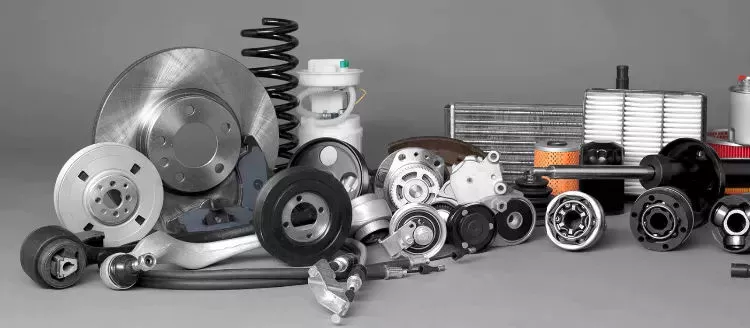
Can drive shafts be adapted for use in both automotive and industrial settings?
Yes, drive shafts can be adapted for use in both automotive and industrial settings. While there may be some differences in design and specifications based on the specific application requirements, the fundamental principles and functions of drive shafts remain applicable in both contexts. Here’s a detailed explanation:
1. Power Transmission:
Drive shafts serve the primary purpose of transmitting rotational power from a power source, such as an engine or motor, to driven components, which can be wheels, machinery, or other mechanical systems. This fundamental function applies to both automotive and industrial settings. Whether it’s delivering power to the wheels of a vehicle or transferring torque to industrial machinery, the basic principle of power transmission remains the same for drive shafts in both contexts.
2. Вопросы проектирования:
While there may be variations in design based on specific applications, the core design considerations for drive shafts are similar in both automotive and industrial settings. Factors such as torque requirements, operating speeds, length, and material selection are taken into account in both cases. Automotive drive shafts are typically designed to accommodate the dynamic nature of vehicle operation, including variations in speed, angles, and suspension movement. Industrial drive shafts, on the other hand, may be designed for specific machinery and equipment, taking into consideration factors such as load capacity, operating conditions, and alignment requirements. However, the underlying principles of ensuring proper dimensions, strength, and balance are essential in both automotive and industrial drive shaft designs.
3. Material Selection:
The material selection for drive shafts is influenced by the specific requirements of the application, whether in automotive or industrial settings. In automotive applications, drive shafts are commonly made from materials such as steel or aluminum alloys, chosen for their strength, durability, and ability to withstand varying operating conditions. In industrial settings, drive shafts may be made from a broader range of materials, including steel, stainless steel, or even specialized alloys, depending on factors such as load capacity, corrosion resistance, or temperature tolerance. The material selection is tailored to meet the specific needs of the application while ensuring efficient power transfer and durability.
4. Joint Configurations:
Both automotive and industrial drive shafts may incorporate various joint configurations to accommodate the specific requirements of the application. Universal joints (U-joints) are commonly used in both contexts to allow for angular movement and compensate for misalignment between the drive shaft and driven components. Constant velocity (CV) joints are also utilized, particularly in automotive drive shafts, to maintain a constant velocity of rotation and accommodate varying operating angles. These joint configurations are adapted and optimized based on the specific needs of automotive or industrial applications.
5. Maintenance and Service:
While maintenance practices may vary between automotive and industrial settings, the importance of regular inspection, lubrication, and balancing remains crucial in both cases. Both automotive and industrial drive shafts benefit from periodic maintenance to ensure optimal performance, identify potential issues, and prolong the lifespan of the drive shafts. Lubrication of joints, inspection for wear or damage, and balancing procedures are common maintenance tasks for drive shafts in both automotive and industrial applications.
6. Customization and Adaptation:
Drive shafts can be customized and adapted to meet the specific requirements of various automotive and industrial applications. Manufacturers often offer drive shafts with different lengths, diameters, and joint configurations to accommodate a wide range of vehicles or machinery. This flexibility allows for the adaptation of drive shafts to suit the specific torque, speed, and dimensional requirements of different applications, whether in automotive or industrial settings.
In summary, drive shafts can be adapted for use in both automotive and industrial settings by considering the specific requirements of each application. While there may be variations in design, materials, joint configurations, and maintenance practices, the fundamental principles of power transmission, design considerations, and customization options remain applicable in both contexts. Drive shafts play a crucial role in both automotive and industrial applications, enabling efficient power transfer and reliable operation in a wide range of mechanical systems.

How do drive shafts handle variations in load and vibration during operation?
Drive shafts are designed to handle variations in load and vibration during operation by employing various mechanisms and features. These mechanisms help ensure smooth power transmission, minimize vibrations, and maintain the structural integrity of the drive shaft. Here’s a detailed explanation of how drive shafts handle load and vibration variations:
1. Material Selection and Design:
Drive shafts are typically made from materials with high strength and stiffness, such as steel alloys or composite materials. The material selection and design take into account the anticipated loads and operating conditions of the application. By using appropriate materials and optimizing the design, drive shafts can withstand the expected variations in load without experiencing excessive deflection or deformation.
2. Torque Capacity:
Drive shafts are designed with a specific torque capacity that corresponds to the expected loads. The torque capacity takes into account factors such as the power output of the driving source and the torque requirements of the driven components. By selecting a drive shaft with sufficient torque capacity, variations in load can be accommodated without exceeding the drive shaft’s limits and risking failure or damage.
3. Dynamic Balancing:
During the manufacturing process, drive shafts can undergo dynamic balancing. Imbalances in the drive shaft can result in vibrations during operation. Through the balancing process, weights are strategically added or removed to ensure that the drive shaft spins evenly and minimizes vibrations. Dynamic balancing helps to mitigate the effects of load variations and reduces the potential for excessive vibrations in the drive shaft.
4. Dampers and Vibration Control:
Drive shafts can incorporate dampers or vibration control mechanisms to further minimize vibrations. These devices are typically designed to absorb or dissipate vibrations that may arise from load variations or other factors. Dampers can be in the form of torsional dampers, rubber isolators, or other vibration-absorbing elements strategically placed along the drive shaft. By managing and attenuating vibrations, drive shafts ensure smooth operation and enhance overall system performance.
5. CV Joints:
Constant Velocity (CV) joints are often used in drive shafts to accommodate variations in operating angles and to maintain a constant speed. CV joints allow the drive shaft to transmit power even when the driving and driven components are at different angles. By accommodating variations in operating angles, CV joints help minimize the impact of load variations and reduce potential vibrations that may arise from changes in the driveline geometry.
6. Lubrication and Maintenance:
Proper lubrication and regular maintenance are essential for drive shafts to handle load and vibration variations effectively. Lubrication helps reduce friction between moving parts, minimizing wear and heat generation. Regular maintenance, including inspection and lubrication of joints, ensures that the drive shaft remains in optimal condition, reducing the risk of failure or performance degradation due to load variations.
7. Structural Rigidity:
Drive shafts are designed to have sufficient structural rigidity to resist bending and torsional forces. This rigidity helps maintain the integrity of the drive shaft when subjected to load variations. By minimizing deflection and maintaining structural integrity, the drive shaft can effectively transmit power and handle variations in load without compromising performance or introducing excessive vibrations.
8. Control Systems and Feedback:
In some applications, drive shafts may be equipped with control systems that actively monitor and adjust parameters such as torque, speed, and vibration. These control systems use sensors and feedback mechanisms to detect variations in load or vibrations and make real-time adjustments to optimize performance. By actively managing load variations and vibrations, drive shafts can adapt to changing operating conditions and maintain smooth operation.
In summary, drive shafts handle variations in load and vibration during operation through careful material selection and design, torque capacity considerations, dynamic balancing, integration of dampers and vibration control mechanisms, utilization of CV joints, proper lubrication and maintenance, structural rigidity, and, in some cases, control systems and feedback mechanisms. By incorporating these features and mechanisms, drive shafts ensure reliable and efficient power transmission while minimizing the impact of load variations and vibrations on overall system performance.

Что такое карданный вал и как он функционирует в транспортных средствах и механизмах?
Карданный вал, также известный как гребной вал или карданный вал, — это механический компонент, играющий важнейшую роль в передаче вращательной мощности от двигателя к колесам или другим приводным компонентам в транспортных средствах и механизмах. Он широко используется в различных типах транспортных средств, включая автомобили, грузовики, мотоциклы, а также сельскохозяйственную и промышленную технику. Вот подробное объяснение того, что такое карданный вал и как он функционирует:
1. Определение и построение: Карданный вал — это цилиндрическая металлическая трубка, соединяющая двигатель или источник энергии с колёсами или приводными компонентами. Обычно он изготавливается из стали или алюминия и состоит из одной или нескольких трубчатых секций с карданными шарнирами (U-образными шарнирами) на каждом конце. Эти карданные шарниры обеспечивают угловое перемещение и компенсацию несоосности между двигателем/трансмиссией и приводными колёсами или компонентами.
2. Передача энергии: Основная функция карданного вала — передача вращательной мощности от двигателя или источника питания к колесам или приводным компонентам. В транспортных средствах карданный вал соединяет выходной вал трансмиссии или коробки передач с дифференциалом, который затем передает мощность на колеса. В машинах карданный вал передает мощность от двигателя или мотора к различным приводным компонентам, таким как насосы, генераторы или другие механические системы.
3. Крутящий момент и скорость: Приводной вал отвечает за передачу как крутящего момента, так и скорости вращения. Крутящий момент — это вращательная сила, создаваемая двигателем или источником энергии, а скорость вращения — это число оборотов в минуту (об/мин). Приводной вал должен быть способен передавать требуемый крутящий момент без чрезмерного скручивания или изгиба и поддерживать желаемую скорость вращения для эффективной работы приводимых в движение компонентов.
4. Гибкая связь: Карданные шарниры на карданном валу обеспечивают гибкое соединение, позволяющее осуществлять угловые перемещения и компенсировать несоосность между двигателем/трансмиссией и ведущими колесами или компонентами. При движении подвески автомобиля или работе оборудования на неровной местности карданный вал может изменять свою длину и угол наклона для компенсации этих перемещений, обеспечивая плавную передачу мощности и предотвращая повреждение компонентов трансмиссии.
5. Длина и баланс: Длина карданного вала определяется расстоянием между двигателем или источником энергии и ведущими колесами или компонентами. Он должен быть соответствующего размера, чтобы обеспечить надлежащую передачу мощности и избежать чрезмерных вибраций или изгиба. Кроме того, карданный вал тщательно балансируется для минимизации вибраций и дисбаланса вращения, которые могут вызывать дискомфорт, снижать эффективность и приводить к преждевременному износу компонентов трансмиссии.
6. Вопросы безопасности: В транспортных средствах и механизмах приводные валы требуют надлежащих мер безопасности. В транспортных средствах приводные валы часто заключены в защитную трубу или корпус, чтобы предотвратить контакт с движущимися частями и снизить риск травм в случае неисправности или поломки. Кроме того, вокруг открытых приводных валов в механизмах обычно устанавливаются защитные экраны или ограждения для защиты операторов от потенциальных опасностей, связанных с вращающимися компонентами.
7. Техническое обслуживание и осмотр: Регулярное техническое обслуживание и осмотр карданных валов необходимы для обеспечения их надлежащего функционирования и долговечности. Это включает в себя проверку на наличие признаков износа, повреждений или чрезмерного люфта в карданных шарнирах, осмотр карданного вала на наличие трещин или деформаций, а также смазку карданных шарниров в соответствии с рекомендациями производителя. Правильное техническое обслуживание помогает предотвратить поломки, обеспечивает оптимальную производительность и продлевает срок службы карданного вала.
Вкратце, карданный вал — это механический компонент, передающий вращательную мощность от двигателя или источника энергии к колесам или приводным компонентам в транспортных средствах и механизмах. Он обеспечивает жесткое соединение между двигателем/трансмиссией и приводными колесами или компонентами, а также позволяет осуществлять угловые перемещения и компенсацию несоосности с помощью карданных шарниров. Карданный вал играет решающую роль в передаче мощности, крутящего момента и скорости, гибкой муфте, учете длины и балансировки, безопасности и требованиях к техническому обслуживанию. Его правильное функционирование необходимо для плавной и эффективной работы транспортных средств и механизмов.


editor by CX 2024-03-06























Свежие комментарии