Descrição do produto
1
Produtos
Name: Agricultural Machinery and Tractors Spare Parts Forged Alloy Steel Drive Shaft Tractor PTO
Material: 40CrMo
Weight: From .2kg-5kg
Packing: wooden case
Min order: 1000pcs
Customized production is available as your drawings or sample.
| Processo | Die Forging | |
| Material | Stainless Steel, Carbon Steel, Alloy Steel | |
| Peso | 0.1Kg~20Kg | |
| Heat Treatment | Quenching, Annealing,Tempering,Normalizing, Quenching and Tempering | |
| Testing instrument | composition testing | Spectrometer, Metallographic microscope |
| Performance testing | Hardness tester, Tensile testing machine | |
| Size Measuring | CMM,Micrometer, Vernier Caliper, Depth Caliper, feeler gauge | |
| Thread Gauge , Height Gauge | ||
| Roughness | Ra1.6~Ra6.3 | |
| Machining Equipment | CNC Center , CNC Machines, Turning, Drilling, Milling, boring machine,Grinding Machines, | |
| Wire EDM,Laser Cutting&Welding, Plasma Cutting &Welding, EDM etc. | ||
| Quality control | Sampling inspection of raw materials and semi-finished products, 100% Inspection of finished products | |
| Tratamento de superfície | Shot Blast , Powder Coating, Polishing, Galvanized , Chrome Plated | |
| Production Capacity | 60000T / Years | |
| Tempo de espera | Normally 30 – 45 Days. | |
| Condições de pagamento | T/T , L/C | |
| Material Standard | ASTM , AISI , DIN , BS, JIS, GB, | |
| Certification | ISO9001:2008, IATF16949:2016 | |
Certificates
2
Products Quality Control
Quality control involve the inspection and control of incoming materials, production processes, and finished products.
The quality control process includes,
1 First of all, the incoming raw materials with random sampling are analyzed by metallographic microscope to ensure that the chemical composition meets the production requirements
2 Then In the production process, there are QC staffs timely sampling ensure that the products are free of defects in the manufacturing process, and to coordinate and handle any abnormal quality issues may be occurred.
3 The final step of production process is magnetic particle flaw detector of the metal parts to detect it’s hidden crack or other defects.
4 All the finished metal parts is sampled in proportion and sent to the laboratory for various mechanical performance tests and size measurement, and the surface quality is manually 100% inspected.
The relevant testing equipment pictures are as following:
3
Quality Management System Control :
We strictly carry out system management accordance with iso9001 and ts16949 quality standards. And 5S lean production management is implemented on the production site.
The production management site as following:
4
Our Advantages:
Marca
Our parent company, HiHangZhou Group, is a world-renowned high-end machinery manufacturing enterprise with 40 domestic subsidiaries and branches and 8 foreign manufacturing plants. Has long-term experience and good reputation in cooperation with world-renowned enterprises.
Technology
We have a complete production process and equipment research and development capabilities for ferrous metals forming. More than 25 years of production experience in forging equipment and casting equipment manufacturers, make us more thoroughly get all the performance of each equipment. One-third of our company’s employees are technician and R&D personnel, ensuring that high-quality products are produced with high efficiency.
Serviço
We can provide custom and standard manufacturing services with multiple manufacturing process integrations. The quality and delivery of products can be fully guaranteed, and the ability to communicate quickly and effectively.
Culture
The unique corporate culture can give full play to the potential of individuals and provide a strong vitality for the sustainable development of the company.
Social responsibility
Our company strictly implements low-carbon environmental protection, energy-saving and emission-reduction production, and is a benchmark enterprise in local region.
5
Company Culture
Our Vision
To become 1 of the leading companies
Our Mission
To become a platform for employees to realize their dream
To become 1 of the transforming and upgrading pacemaker of Chinese enterprises
To set the national brands with pride
Our Belief
Strive to build the company into an ideal platform for entrepreneurs to realize their self-worth and contribute to the society
Values
Improvement is innovation, everyone can innovate
innovation inspired and failures tolerated
6
Perguntas frequentes
1.
Q: Are you a trading company or a manufacturer?
A: Obviously we are a manufacturer of forging products, casting products and also have a high level of machining capabilities.
2.
Q: What series products do your have?
A: We are mainly engaged in forming processing of ferrous metals, including processing by casting , forging and machining. As you know, such machinery parts can be observed in various industries of equipment manufacturing.
3
Q: Do you provide samples? is it free?
A: Yes, we commonly provide samples according to the traditional practice, but we also need customers to provide a freight pay-by-account number to show mutual CZPT of cooperation.
4
Q: Is OEM available?
A: Yes, OEM is available.
5
Q: What’s your quality guarantee?
A: We insist that the survival of the company should depend on the products quality continuous improvement, without which we cannot survive for long. We carry out strictly product quality control for every process from incoming materials, production process to finished products via advanced detection instrument and equipment. We also invite independent third parties to certify our quality and management systems. Till now we have passed ISO/TS16949 and SGS certification .
6
Q. How about the Packing?
A: We usually use the iron box, or wooden case, also it can be customized according to customer’s demands.
7
Q: What is your minimum order quantity?
A: Yes, we require all international orders to have an minimum order quantity. The quantity is up to the exact products feature or property such as the material, weight, construction etc.
8
Q: What is the lead time?
A: Generally our forging products and casting products need to make new dies or molds, the time of making new dies or molds and samples within 30-45 days, and the large batch production time within 30-45 days. it’s also according to the parts structural complexity and quantity.
9
Q: What kinds of payment methods do you accept?
A: You can make the payment by T/T or L/C. 30% deposit in advance, 70% balance against the copy of B/L.
/* March 10, 2571 17:59:20 */!function(){function s(e,r){var a,o={};try{e&&e.split(“,”).forEach(function(e,t){e&&(a=e.match(/(.*?):(.*)$/))&&1
| Processing Object: | Metal |
|---|---|
| Molding Style: | Forjamento |
| Molding Technics: | Pressure Casting |
| Application: | Agricultural Machinery Parts |
| Material: | Aço |
| Heat Treatment: | Tempering |
| Samples: |
US$ 20/Piece
1 Piece(Min.Order) | |
|---|
| Customization: |
Disponível
| Customized Request |
|---|
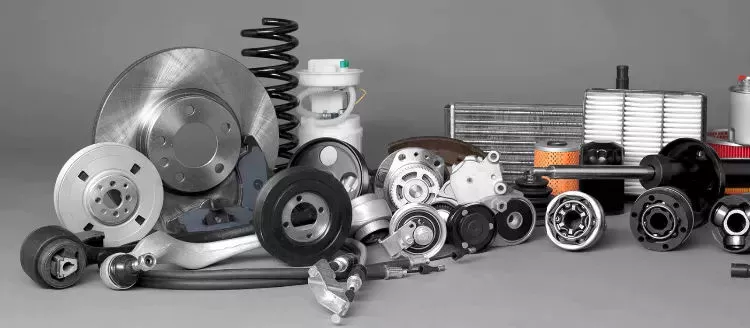
Can drive shafts be adapted for use in both automotive and industrial settings?
Yes, drive shafts can be adapted for use in both automotive and industrial settings. While there may be some differences in design and specifications based on the specific application requirements, the fundamental principles and functions of drive shafts remain applicable in both contexts. Here’s a detailed explanation:
1. Power Transmission:
Drive shafts serve the primary purpose of transmitting rotational power from a power source, such as an engine or motor, to driven components, which can be wheels, machinery, or other mechanical systems. This fundamental function applies to both automotive and industrial settings. Whether it’s delivering power to the wheels of a vehicle or transferring torque to industrial machinery, the basic principle of power transmission remains the same for drive shafts in both contexts.
2. Considerações de projeto:
While there may be variations in design based on specific applications, the core design considerations for drive shafts are similar in both automotive and industrial settings. Factors such as torque requirements, operating speeds, length, and material selection are taken into account in both cases. Automotive drive shafts are typically designed to accommodate the dynamic nature of vehicle operation, including variations in speed, angles, and suspension movement. Industrial drive shafts, on the other hand, may be designed for specific machinery and equipment, taking into consideration factors such as load capacity, operating conditions, and alignment requirements. However, the underlying principles of ensuring proper dimensions, strength, and balance are essential in both automotive and industrial drive shaft designs.
3. Material Selection:
The material selection for drive shafts is influenced by the specific requirements of the application, whether in automotive or industrial settings. In automotive applications, drive shafts are commonly made from materials such as steel or aluminum alloys, chosen for their strength, durability, and ability to withstand varying operating conditions. In industrial settings, drive shafts may be made from a broader range of materials, including steel, stainless steel, or even specialized alloys, depending on factors such as load capacity, corrosion resistance, or temperature tolerance. The material selection is tailored to meet the specific needs of the application while ensuring efficient power transfer and durability.
4. Joint Configurations:
Both automotive and industrial drive shafts may incorporate various joint configurations to accommodate the specific requirements of the application. Universal joints (U-joints) are commonly used in both contexts to allow for angular movement and compensate for misalignment between the drive shaft and driven components. Constant velocity (CV) joints are also utilized, particularly in automotive drive shafts, to maintain a constant velocity of rotation and accommodate varying operating angles. These joint configurations are adapted and optimized based on the specific needs of automotive or industrial applications.
5. Maintenance and Service:
While maintenance practices may vary between automotive and industrial settings, the importance of regular inspection, lubrication, and balancing remains crucial in both cases. Both automotive and industrial drive shafts benefit from periodic maintenance to ensure optimal performance, identify potential issues, and prolong the lifespan of the drive shafts. Lubrication of joints, inspection for wear or damage, and balancing procedures are common maintenance tasks for drive shafts in both automotive and industrial applications.
6. Customization and Adaptation:
Drive shafts can be customized and adapted to meet the specific requirements of various automotive and industrial applications. Manufacturers often offer drive shafts with different lengths, diameters, and joint configurations to accommodate a wide range of vehicles or machinery. This flexibility allows for the adaptation of drive shafts to suit the specific torque, speed, and dimensional requirements of different applications, whether in automotive or industrial settings.
In summary, drive shafts can be adapted for use in both automotive and industrial settings by considering the specific requirements of each application. While there may be variations in design, materials, joint configurations, and maintenance practices, the fundamental principles of power transmission, design considerations, and customization options remain applicable in both contexts. Drive shafts play a crucial role in both automotive and industrial applications, enabling efficient power transfer and reliable operation in a wide range of mechanical systems.
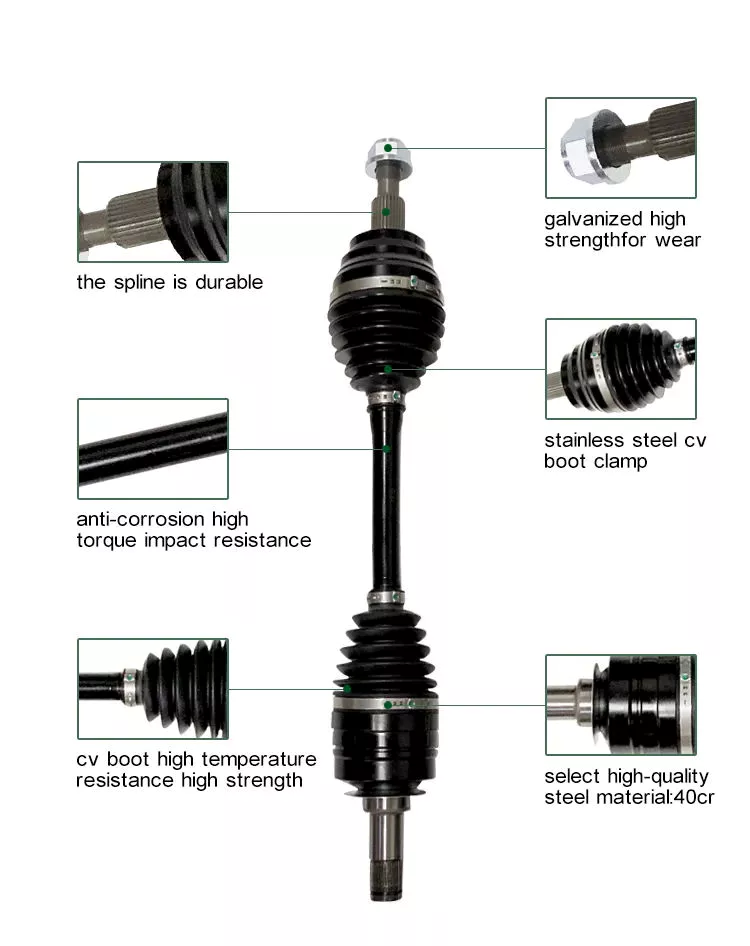
Como os eixos de transmissão melhoram o desempenho de automóveis e caminhões?
Os eixos de transmissão desempenham um papel significativo na melhoria do desempenho de automóveis e caminhões. Eles contribuem para vários aspectos do desempenho do veículo, incluindo transmissão de potência, tração, dirigibilidade e eficiência geral. Aqui está uma explicação detalhada de como os eixos de transmissão melhoram o desempenho de automóveis e caminhões:
1. Fornecimento de energia:
Os eixos de transmissão são responsáveis por transferir a potência do motor para as rodas, permitindo que o veículo se mova para a frente. Ao transmitir a potência de forma eficiente e sem perdas significativas, os eixos de transmissão garantem que a potência do motor seja utilizada de forma eficaz, resultando em melhor aceleração e desempenho geral. Eixos de transmissão bem projetados, com perda mínima de potência, contribuem para a capacidade do veículo de fornecer potência às rodas de forma eficiente.
2. Transferência de torque:
Os eixos de transmissão facilitam a transferência de torque do motor para as rodas. Torque é a força rotacional que impulsiona o veículo para a frente. Eixos de transmissão de alta qualidade, com capacidade adequada de conversão de torque, garantem que o torque gerado pelo motor seja transmitido eficazmente às rodas. Isso melhora a capacidade do veículo de acelerar rapidamente, rebocar cargas pesadas e subir aclives acentuados, otimizando assim o desempenho geral.
3. Tração e estabilidade:
Os eixos de transmissão contribuem para a tração e estabilidade de automóveis e caminhões. Eles transmitem a potência para as rodas, permitindo que estas exerçam força sobre a superfície da estrada. Isso possibilita que o veículo mantenha a tração, especialmente durante a aceleração ou ao dirigir em terrenos escorregadios ou irregulares. A transmissão eficiente de potência pelos eixos de transmissão aumenta a estabilidade do veículo, garantindo uma distribuição equilibrada de potência para todas as rodas, melhorando o controle e a dirigibilidade.
4. Manuseio e Manobrabilidade:
Os eixos de transmissão têm impacto no comportamento e na manobrabilidade dos veículos. Eles ajudam a estabelecer uma conexão direta entre o motor e as rodas, permitindo um controle preciso e uma direção responsiva. Eixos de transmissão bem projetados, com folga mínima, contribuem para uma resposta mais direta e imediata aos comandos do motorista, aprimorando a agilidade e a manobrabilidade do veículo.
5. Redução de peso:
Os eixos de transmissão podem contribuir para a redução de peso em automóveis e caminhões. Eixos de transmissão leves, fabricados com materiais como alumínio ou compósitos reforçados com fibra de carbono, reduzem o peso total do veículo. A redução de peso melhora a relação peso-potência, resultando em melhor aceleração, dirigibilidade e economia de combustível. Além disso, eixos de transmissão leves reduzem a massa rotacional, permitindo que o motor atinja rotações mais altas mais rapidamente, aprimorando ainda mais o desempenho.
6. Eficiência Mecânica:
Eixos de transmissão eficientes minimizam as perdas de energia durante a transmissão de potência. Ao incorporar características como rolamentos de alta qualidade, vedações de baixo atrito e lubrificação otimizada, os eixos de transmissão reduzem o atrito e minimizam as perdas de potência devido à resistência interna. Isso aumenta a eficiência mecânica do sistema de transmissão, permitindo que mais potência chegue às rodas e melhorando o desempenho geral do veículo.
7. Melhorias de desempenho:
A melhoria do eixo de transmissão pode ser uma opção popular para aprimorar o desempenho de entusiastas. Eixos de transmissão reforçados, como os fabricados com materiais mais resistentes ou com maior capacidade de torque, suportam a potência aumentada de motores modificados. Essas melhorias proporcionam um desempenho superior, como aceleração aprimorada, velocidades máximas mais altas e uma dinâmica de condução geral melhorada.
8. Compatibilidade com modificações de desempenho:
Modificações de desempenho, como upgrades de motor, aumento de potência ou alterações no sistema de transmissão, geralmente exigem eixos de transmissão compatíveis. Eixos de transmissão projetados para suportar cargas de torque mais elevadas ou para se adaptarem a configurações de transmissão modificadas garantem desempenho e confiabilidade ideais. Eles permitem que o veículo aproveite com eficiência o aumento de potência e torque, resultando em melhor desempenho e capacidade de resposta.
9. Durabilidade e confiabilidade:
Eixos de transmissão robustos e bem conservados contribuem para a durabilidade e confiabilidade de automóveis e caminhões. Eles são projetados para suportar as tensões e cargas associadas à transmissão de potência. Materiais de alta qualidade, balanceamento adequado e manutenção regular ajudam a garantir que os eixos de transmissão funcionem sem problemas, minimizando o risco de falhas ou problemas de desempenho. Eixos de transmissão confiáveis melhoram o desempenho geral, fornecendo potência consistente e minimizando o tempo de inatividade.
10. Compatibilidade com tecnologias avançadas:
Os eixos de transmissão estão evoluindo em paralelo com os avanços nas tecnologias automotivas. Eles estão sendo cada vez mais integrados a sistemas avançados, como motores híbridos, motores elétricos e frenagem regenerativa. Eixos de transmissão projetados para funcionar perfeitamente com essas tecnologias maximizam sua eficiência e benefícios de desempenho, contribuindo para um melhor desempenho geral do veículo.
Em resumo, os eixos de transmissão melhoram o desempenho de automóveis e caminhões, otimizando a entrega de potência, facilitando a transferência de torque, aprimorando a tração e a estabilidade, melhorando a dirigibilidade e a manobrabilidade, reduzindo o peso, aumentando a eficiência mecânica e permitindo a compatibilidade com atualizações de desempenho e tecnologias avançadas. Eles desempenham um papel crucial para garantir a transmissão eficiente de potência, aceleração responsiva, direção precisa e, de modo geral, o desempenho aprimorado dos veículos.
What benefits do drive shafts offer for different types of vehicles and equipment?
Drive shafts offer several benefits for different types of vehicles and equipment. They play a crucial role in power transmission and contribute to the overall performance, efficiency, and functionality of various systems. Here’s a detailed explanation of the benefits that drive shafts provide:
1. Efficient Power Transmission:
Drive shafts enable efficient power transmission from the engine or power source to the wheels or driven components. By connecting the engine or motor to the driven system, drive shafts efficiently transfer rotational power, allowing vehicles and equipment to perform their intended functions. This efficient power transmission ensures that the power generated by the engine is effectively utilized, optimizing the overall performance and productivity of the system.
2. Versatility:
Drive shafts offer versatility in their applications. They are used in various types of vehicles, including cars, trucks, motorcycles, and off-road vehicles. Additionally, drive shafts are employed in a wide range of equipment and machinery, such as agricultural machinery, construction equipment, industrial machinery, and marine vessels. The ability to adapt to different types of vehicles and equipment makes drive shafts a versatile component for power transmission.
3. Torque Handling:
Drive shafts are designed to handle high levels of torque. Torque is the rotational force generated by the engine or power source. Drive shafts are engineered to efficiently transmit this torque without excessive twisting or bending. By effectively handling torque, drive shafts ensure that the power generated by the engine is reliably transferred to the wheels or driven components, enabling vehicles and equipment to overcome resistance, such as heavy loads or challenging terrains.
4. Flexibility and Compensation:
Drive shafts provide flexibility and compensation for angular movement and misalignment. In vehicles, drive shafts accommodate the movement of the suspension system, allowing the wheels to move up and down independently. This flexibility ensures a constant power transfer even when the vehicle encounters uneven terrain. Similarly, in machinery, drive shafts compensate for misalignment between the engine or motor and the driven components, ensuring smooth power transmission and preventing excessive stress on the drivetrain.
5. Redução de peso:
Drive shafts contribute to weight reduction in vehicles and equipment. Compared to other forms of power transmission, such as belt drives or chain drives, drive shafts are typically lighter in weight. This reduction in weight helps improve fuel efficiency in vehicles and reduces the overall weight of equipment, leading to enhanced maneuverability and increased payload capacity. Additionally, lighter drive shafts contribute to a better power-to-weight ratio, resulting in improved performance and acceleration.
6. Durability and Longevity:
Drive shafts are designed to be durable and long-lasting. They are constructed using materials such as steel or aluminum, which offer high strength and resistance to wear and fatigue. Drive shafts undergo rigorous testing and quality control measures to ensure their reliability and longevity. Proper maintenance, including lubrication and regular inspections, further enhances their durability. The robust construction and long lifespan of drive shafts contribute to the overall reliability and cost-effectiveness of vehicles and equipment.
7. Safety:
Drive shafts incorporate safety features to protect operators and bystanders. In vehicles, drive shafts are often enclosed within a protective tube or housing, preventing contact with moving parts and reducing the risk of injury in the event of a failure. Similarly, in machinery, safety shields or guards are commonly installed around exposed drive shafts to minimize the potential hazards associated with rotating components. These safety measures ensure the well-being of individuals operating or working in proximity to vehicles and equipment.
In summary, drive shafts offer several benefits for different types of vehicles and equipment. They enable efficient power transmission, provide versatility in various applications, handle torque effectively, offer flexibility and compensation, contribute to weight reduction, ensure durability and longevity, and incorporate safety features. By providing these advantages, drive shafts enhance the performance, efficiency, reliability, and safety of vehicles and equipment across a wide range of industries.


editor by CX 2024-02-24