产品描述
1
产品
Name: Agricultural Machinery and Tractors Spare Parts Forged Alloy Steel Drive Shaft Tractor PTO
Material: 40CrMo
Weight: From .2kg-5kg
Packing: wooden case
Min order: 1000pcs
Customized production is available as your drawings or sample.
| 过程 | Die Forging | |
| 材料 | Stainless Steel, Carbon Steel, Alloy Steel | |
| 重量 | 0.1Kg~20Kg | |
| Heat Treatment | Quenching, Annealing,Tempering,Normalizing, Quenching and Tempering | |
| Testing instrument | composition testing | Spectrometer, Metallographic microscope |
| Performance testing | Hardness tester, Tensile testing machine | |
| Size Measuring | CMM,Micrometer, Vernier Caliper, Depth Caliper, feeler gauge | |
| Thread Gauge , Height Gauge | ||
| 粗糙度 | Ra1.6~Ra6.3 | |
| Machining Equipment | CNC Center , CNC Machines, Turning, Drilling, Milling, boring machine,Grinding Machines, | |
| Wire EDM,Laser Cutting&Welding, Plasma Cutting &Welding, EDM etc. | ||
| Quality control | Sampling inspection of raw materials and semi-finished products, 100% Inspection of finished products | |
| 表面处理 | Shot Blast , Powder Coating, Polishing, Galvanized , Chrome Plated | |
| Production Capacity | 60000T / Years | |
| 交货时间 | Normally 30 – 45 Days. | |
| 付款条款 | T/T , L/C | |
| Material Standard | ASTM , AISI , DIN , BS, JIS, GB, | |
| Certification | ISO9001:2008, IATF16949:2016 | |
Certificates
2
Products Quality Control
Quality control involve the inspection and control of incoming materials, production processes, and finished products.
The quality control process includes,
1 First of all, the incoming raw materials with random sampling are analyzed by metallographic microscope to ensure that the chemical composition meets the production requirements
2 Then In the production process, there are QC staffs timely sampling ensure that the products are free of defects in the manufacturing process, and to coordinate and handle any abnormal quality issues may be occurred.
3 The final step of production process is magnetic particle flaw detector of the metal parts to detect it’s hidden crack or other defects.
4 All the finished metal parts is sampled in proportion and sent to the laboratory for various mechanical performance tests and size measurement, and the surface quality is manually 100% inspected.
The relevant testing equipment pictures are as following:
3
Quality Management System Control :
We strictly carry out system management accordance with iso9001 and ts16949 quality standards. And 5S lean production management is implemented on the production site.
The production management site as following:
4
Our Advantages:
品牌
Our parent company, HiHangZhou Group, is a world-renowned high-end machinery manufacturing enterprise with 40 domestic subsidiaries and branches and 8 foreign manufacturing plants. Has long-term experience and good reputation in cooperation with world-renowned enterprises.
Technology
We have a complete production process and equipment research and development capabilities for ferrous metals forming. More than 25 years of production experience in forging equipment and casting equipment manufacturers, make us more thoroughly get all the performance of each equipment. One-third of our company’s employees are technician and R&D personnel, ensuring that high-quality products are produced with high efficiency.
服务
We can provide custom and standard manufacturing services with multiple manufacturing process integrations. The quality and delivery of products can be fully guaranteed, and the ability to communicate quickly and effectively.
Culture
The unique corporate culture can give full play to the potential of individuals and provide a strong vitality for the sustainable development of the company.
Social responsibility
Our company strictly implements low-carbon environmental protection, energy-saving and emission-reduction production, and is a benchmark enterprise in local region.
5
Company Culture
Our Vision
To become 1 of the leading companies
Our Mission
To become a platform for employees to realize their dream
To become 1 of the transforming and upgrading pacemaker of Chinese enterprises
To set the national brands with pride
Our Belief
Strive to build the company into an ideal platform for entrepreneurs to realize their self-worth and contribute to the society
Values
Improvement is innovation, everyone can innovate
innovation inspired and failures tolerated
6
常问问题
1.
Q: Are you a trading company or a manufacturer?
A: Obviously we are a manufacturer of forging products, casting products and also have a high level of machining capabilities.
2.
Q: What series products do your have?
A: We are mainly engaged in forming processing of ferrous metals, including processing by casting , forging and machining. As you know, such machinery parts can be observed in various industries of equipment manufacturing.
3
Q: Do you provide samples? is it free?
A: Yes, we commonly provide samples according to the traditional practice, but we also need customers to provide a freight pay-by-account number to show mutual CZPT of cooperation.
4
Q: Is OEM available?
A: Yes, OEM is available.
5
Q: What’s your quality guarantee?
A: We insist that the survival of the company should depend on the products quality continuous improvement, without which we cannot survive for long. We carry out strictly product quality control for every process from incoming materials, production process to finished products via advanced detection instrument and equipment. We also invite independent third parties to certify our quality and management systems. Till now we have passed ISO/TS16949 and SGS certification .
6
Q. How about the Packing?
A: We usually use the iron box, or wooden case, also it can be customized according to customer’s demands.
7
Q: What is your minimum order quantity?
A: Yes, we require all international orders to have an minimum order quantity. The quantity is up to the exact products feature or property such as the material, weight, construction etc.
8
Q: What is the lead time?
A: Generally our forging products and casting products need to make new dies or molds, the time of making new dies or molds and samples within 30-45 days, and the large batch production time within 30-45 days. it’s also according to the parts structural complexity and quantity.
9
Q: What kinds of payment methods do you accept?
A: You can make the payment by T/T or L/C. 30% deposit in advance, 70% balance against the copy of B/L.
/* March 10, 2571 17:59:20 */!function(){function s(e,r){var a,o={};try{e&&e.split(“,”).forEach(function(e,t){e&&(a=e.match(/(.*?):(.*)$/))&&1
| Processing Object: | 金属 |
|---|---|
| Molding Style: | 锻造 |
| Molding Technics: | Pressure Casting |
| Application: | Agricultural Machinery Parts |
| 材料: | 钢 |
| Heat Treatment: | Tempering |
| 示例: |
US$ 20/件
1 件(最低订购量) | |
|---|
| 定制化: |
可用的
| 定制请求 |
|---|
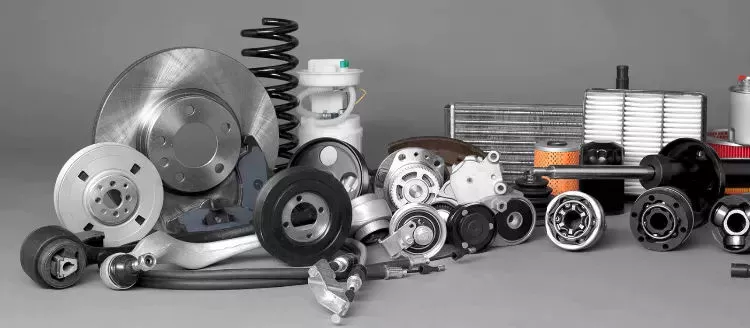
Can drive shafts be adapted for use in both automotive and industrial settings?
Yes, drive shafts can be adapted for use in both automotive and industrial settings. While there may be some differences in design and specifications based on the specific application requirements, the fundamental principles and functions of drive shafts remain applicable in both contexts. Here’s a detailed explanation:
1. Power Transmission:
Drive shafts serve the primary purpose of transmitting rotational power from a power source, such as an engine or motor, to driven components, which can be wheels, machinery, or other mechanical systems. This fundamental function applies to both automotive and industrial settings. Whether it’s delivering power to the wheels of a vehicle or transferring torque to industrial machinery, the basic principle of power transmission remains the same for drive shafts in both contexts.
2. 设计考虑因素:
While there may be variations in design based on specific applications, the core design considerations for drive shafts are similar in both automotive and industrial settings. Factors such as torque requirements, operating speeds, length, and material selection are taken into account in both cases. Automotive drive shafts are typically designed to accommodate the dynamic nature of vehicle operation, including variations in speed, angles, and suspension movement. Industrial drive shafts, on the other hand, may be designed for specific machinery and equipment, taking into consideration factors such as load capacity, operating conditions, and alignment requirements. However, the underlying principles of ensuring proper dimensions, strength, and balance are essential in both automotive and industrial drive shaft designs.
3. Material Selection:
The material selection for drive shafts is influenced by the specific requirements of the application, whether in automotive or industrial settings. In automotive applications, drive shafts are commonly made from materials such as steel or aluminum alloys, chosen for their strength, durability, and ability to withstand varying operating conditions. In industrial settings, drive shafts may be made from a broader range of materials, including steel, stainless steel, or even specialized alloys, depending on factors such as load capacity, corrosion resistance, or temperature tolerance. The material selection is tailored to meet the specific needs of the application while ensuring efficient power transfer and durability.
4. Joint Configurations:
Both automotive and industrial drive shafts may incorporate various joint configurations to accommodate the specific requirements of the application. Universal joints (U-joints) are commonly used in both contexts to allow for angular movement and compensate for misalignment between the drive shaft and driven components. Constant velocity (CV) joints are also utilized, particularly in automotive drive shafts, to maintain a constant velocity of rotation and accommodate varying operating angles. These joint configurations are adapted and optimized based on the specific needs of automotive or industrial applications.
5. Maintenance and Service:
While maintenance practices may vary between automotive and industrial settings, the importance of regular inspection, lubrication, and balancing remains crucial in both cases. Both automotive and industrial drive shafts benefit from periodic maintenance to ensure optimal performance, identify potential issues, and prolong the lifespan of the drive shafts. Lubrication of joints, inspection for wear or damage, and balancing procedures are common maintenance tasks for drive shafts in both automotive and industrial applications.
6. Customization and Adaptation:
Drive shafts can be customized and adapted to meet the specific requirements of various automotive and industrial applications. Manufacturers often offer drive shafts with different lengths, diameters, and joint configurations to accommodate a wide range of vehicles or machinery. This flexibility allows for the adaptation of drive shafts to suit the specific torque, speed, and dimensional requirements of different applications, whether in automotive or industrial settings.
In summary, drive shafts can be adapted for use in both automotive and industrial settings by considering the specific requirements of each application. While there may be variations in design, materials, joint configurations, and maintenance practices, the fundamental principles of power transmission, design considerations, and customization options remain applicable in both contexts. Drive shafts play a crucial role in both automotive and industrial applications, enabling efficient power transfer and reliable operation in a wide range of mechanical systems.

传动轴如何提升汽车和卡车的性能?
传动轴在提升汽车和卡车的性能方面发挥着重要作用。它们影响车辆性能的各个方面,包括动力输出、牵引力、操控性和整体效率。以下详细解释传动轴如何提升汽车和卡车的性能:
1. 功率输出:
传动轴负责将发动机的动力传递到车轮,使车辆能够前进。通过高效地传递动力,减少动力损失,传动轴确保发动机的动力得到有效利用,从而提升加速性能和整体动力表现。设计精良、动力损失最小的传动轴有助于车辆高效地将动力传递到车轮。
2. 扭矩传递:
传动轴负责将发动机的扭矩传递到车轮。扭矩是驱动车辆前进的旋转力。高质量的传动轴具备良好的扭矩转换能力,确保发动机产生的扭矩能够有效地传递到车轮。这增强了车辆的加速性能、牵引重物的能力以及爬坡能力,从而提升了车辆的整体性能。
3. 牵引力和稳定性:
传动轴对汽车和卡车的牵引力和稳定性至关重要。它们将动力传递至车轮,使车轮能够对路面施加作用力。这使得车辆能够保持牵引力,尤其是在加速或在湿滑或不平坦的路面上行驶时。通过传动轴高效传递动力,确保动力均衡分配至所有车轮,从而增强车辆的稳定性,并改善操控性。
4. 操控性和机动性:
传动轴对车辆的操控性和机动性有着重要影响。它们有助于建立发动机和车轮之间的直接连接,从而实现精准控制和灵敏操控。设计精良、间隙或反冲最小的传动轴有助于对驾驶员的操作做出更直接、更迅速的响应,从而提升车辆的灵活性和机动性。
5. 减轻体重:
传动轴有助于减轻汽车和卡车的重量。采用铝或碳纤维增强复合材料等材料制成的轻质传动轴可以降低车辆的整体重量。重量的减轻提高了功率重量比,从而改善了加速性能、操控性和燃油效率。此外,轻质传动轴还能降低旋转惯量,使发动机转速提升更快,进一步提升性能。
6. 机械效率:
高效的传动轴能够最大限度地减少动力传输过程中的能量损失。通过采用高质量轴承、低摩擦密封件和优化润滑等设计,传动轴可以降低摩擦,并最大限度地减少因内部阻力造成的动力损失。这提高了传动系统的机械效率,使更多动力传递至车轮,从而提升车辆的整体性能。
7. 性能升级:
对于汽车爱好者来说,升级传动轴是一种常见的性能提升方式。升级后的传动轴,例如采用强度更高的材料制成或扭矩容量更大的传动轴,可以承受改装发动机更高的动力输出。这些升级可以提升车辆性能,例如改善加速性能、提高最高速度以及改善整体驾驶动态性能。
8. 与性能改进的兼容性:
性能改装,例如发动机升级、提升动力输出或改变传动系统,通常需要匹配的传动轴。专为承受更高扭矩负载或适应改装后的传动系统配置而设计的传动轴,可确保最佳性能和可靠性。它们使车辆能够有效地利用增加的动力和扭矩,从而提升性能和响应速度。
9. 耐用性和可靠性:
坚固耐用且维护良好的传动轴有助于提高汽车和卡车的耐用性和可靠性。它们的设计旨在承受动力传输过程中产生的应力和负载。优质的材料、适当的平衡和定期维护有助于确保传动轴平稳运行,最大限度地降低故障或性能问题的风险。可靠的传动轴通过提供稳定的动力输出和最大限度地减少停机时间来提升整体性能。
10. 与先进技术的兼容性:
传动轴正随着车辆技术的进步而不断发展。它们越来越多地与混合动力系统、电动机和能量回收制动等先进系统集成。专为与这些技术无缝协作而设计的传动轴能够最大限度地提高效率和性能优势,从而提升车辆的整体性能。
总而言之,传动轴通过优化动力输出、促进扭矩传递、提升牵引力和稳定性、增强操控性和机动性、减轻重量、提高机械效率以及兼容性能升级和先进技术,从而提升汽车和卡车的性能。它们在确保高效动力传输、灵敏加速、精准操控以及车辆整体性能提升方面发挥着至关重要的作用。
What benefits do drive shafts offer for different types of vehicles and equipment?
Drive shafts offer several benefits for different types of vehicles and equipment. They play a crucial role in power transmission and contribute to the overall performance, efficiency, and functionality of various systems. Here’s a detailed explanation of the benefits that drive shafts provide:
1. Efficient Power Transmission:
Drive shafts enable efficient power transmission from the engine or power source to the wheels or driven components. By connecting the engine or motor to the driven system, drive shafts efficiently transfer rotational power, allowing vehicles and equipment to perform their intended functions. This efficient power transmission ensures that the power generated by the engine is effectively utilized, optimizing the overall performance and productivity of the system.
2. Versatility:
Drive shafts offer versatility in their applications. They are used in various types of vehicles, including cars, trucks, motorcycles, and off-road vehicles. Additionally, drive shafts are employed in a wide range of equipment and machinery, such as agricultural machinery, construction equipment, industrial machinery, and marine vessels. The ability to adapt to different types of vehicles and equipment makes drive shafts a versatile component for power transmission.
3. Torque Handling:
Drive shafts are designed to handle high levels of torque. Torque is the rotational force generated by the engine or power source. Drive shafts are engineered to efficiently transmit this torque without excessive twisting or bending. By effectively handling torque, drive shafts ensure that the power generated by the engine is reliably transferred to the wheels or driven components, enabling vehicles and equipment to overcome resistance, such as heavy loads or challenging terrains.
4. Flexibility and Compensation:
Drive shafts provide flexibility and compensation for angular movement and misalignment. In vehicles, drive shafts accommodate the movement of the suspension system, allowing the wheels to move up and down independently. This flexibility ensures a constant power transfer even when the vehicle encounters uneven terrain. Similarly, in machinery, drive shafts compensate for misalignment between the engine or motor and the driven components, ensuring smooth power transmission and preventing excessive stress on the drivetrain.
5. 减轻体重:
Drive shafts contribute to weight reduction in vehicles and equipment. Compared to other forms of power transmission, such as belt drives or chain drives, drive shafts are typically lighter in weight. This reduction in weight helps improve fuel efficiency in vehicles and reduces the overall weight of equipment, leading to enhanced maneuverability and increased payload capacity. Additionally, lighter drive shafts contribute to a better power-to-weight ratio, resulting in improved performance and acceleration.
6. Durability and Longevity:
Drive shafts are designed to be durable and long-lasting. They are constructed using materials such as steel or aluminum, which offer high strength and resistance to wear and fatigue. Drive shafts undergo rigorous testing and quality control measures to ensure their reliability and longevity. Proper maintenance, including lubrication and regular inspections, further enhances their durability. The robust construction and long lifespan of drive shafts contribute to the overall reliability and cost-effectiveness of vehicles and equipment.
7. Safety:
Drive shafts incorporate safety features to protect operators and bystanders. In vehicles, drive shafts are often enclosed within a protective tube or housing, preventing contact with moving parts and reducing the risk of injury in the event of a failure. Similarly, in machinery, safety shields or guards are commonly installed around exposed drive shafts to minimize the potential hazards associated with rotating components. These safety measures ensure the well-being of individuals operating or working in proximity to vehicles and equipment.
In summary, drive shafts offer several benefits for different types of vehicles and equipment. They enable efficient power transmission, provide versatility in various applications, handle torque effectively, offer flexibility and compensation, contribute to weight reduction, ensure durability and longevity, and incorporate safety features. By providing these advantages, drive shafts enhance the performance, efficiency, reliability, and safety of vehicles and equipment across a wide range of industries.


editor by CX 2024-02-24