Produktbeschreibung
Detailed Information
| Beschreibung | High-Quality Drive Shaft, front axle right for AUDI 4A0407272BH VW-8-995A 203051 301313 22590 |
| Länge | 649mm |
| External meshing gear side | 38 |
| Circular diameter of hole distribution | 114mm |
| ABS Ring Teeth | 45 |
| ABS Ring Diameter | 73.5mm |
| Sealing ring diameter | 59.5mm |
| Thread size | M16x1.5 |
| Number of holes | 6 |
| Hole Diameter | 10.5mm |
| Marke | SI, PPB, or customized |
| Verpackung | Neutral, SI, PPB brand packing or customized |
| OEM/ODM service | Ja |
| Manufacture place | ZHangZhoug, China |
| Mindestbestellmenge | 50 PCS |
| OEM replacement | Ja |
| Inspection | 1 T566A 12349 VKJC 1043 A2291 22590 |
Car Application
| AUDI 100 C4 Avant (4A5) 2.5 TDI 1990-1994 AAT,ABP 2461 85 Estate AUDI 100 C4 Avant (4A5) 2.8 E 1991-1994 AAH 2771 128 Estate AUDI 100 C4 Saloon (4A2) 2.5 TDI 1990-1994 AAT,ABP 2461 85 Saloon AUDI 100 C4 Saloon (4A2) 2.8 E 1990-1994 AAH 2771 128 Saloon AUDI A6 C4 (4A2) 2.5 TDI 1994-1997 AAT 2461 85 Saloon AUDI A6 C4 (4A2) 2.5 TDI 1994-1997 AEL 2461 103 Saloon AUDI A6 C4 (4A2) 2.5 TDI quattro 1995-1997 AEL 2461 103 Saloon AUDI A6 C4 (4A2) 2.8 1995-1997 ACK 2771 142 Saloon AUDI A6 C4 (4A2) 2.8 1994-1997 AAH,AFC 2771 128 Saloon AUDI A6 C4 Avant (4A5) 2.5 TDI 1994-1997 AEL 2461 103 Estate AUDI A6 C4 Avant (4A5) 2.5 TDI 1994-1997 AAT 2461 85 Estate AUDI A6 C4 Avant (4A5) 2.5 TDI quattro 1995-1997 AEL 2461 103 Estate AUDI A6 C4 Avant (4A5) 2.8 1994-1997 AAH,AFC 2771 128 Estate AUDI A6 C4 Avant (4A5) 2.8 1995-1997 ACK 2771 142 Estate |
Unternehmensprofil
ZheJiang Mighty Machinery Co. Ltd is a professional manufacturer of auto bearings for more than 20 years. We provide a one-stop service for our customers. Our main products include wheel bearings & hub assembly, belt tensioners, clutch release bearings, and other parts.
Relying on the professional and rich manufacturing experience and many substantial factories which stable cooperated for many years, Mighty suppliers customers high-quality products at very competitive prices.
Customer satisfaction is our First Priority, We adhere to the concept of ” Quality First, Customer First”. We will continue to provide high-quality products and the best services to our customers and build up CZPT long-time friendship partners.
Our Advantage
| More than 20 years of manufacturing and exporting experience OEM manufacturing available Full range, large stock Quickly feedback One year warranty One-stop service On-time delivery |
Packing & Shipping
Häufig gestellte Fragen
1. What‘s the minimum order quantity?
We don’t have the minimum order quantity. We can also provide free samples, but you need to pay the freight.
2. Do you provide ODM&OEM order service?
Yes, we provide ODM&OEM services to customers around the world, and we can customize different brands and different sizes of packaging boxes according to customers’ requirements.
3. After-sales service and warranty time
We guarantee that our products will be free from defects in materials and workmanship within 12 months from the date of delivery. The warranty is void due to improper use, incorrect installation, and physical damage.
4. How to place an order?
Send us an email of the models, brand, quantity, consignee information, model of transportation, and payment
Confirm payment and arrange the production.
5. What are your packing conditions?
We use standardized export packaging and environmental protection packaging materials. If you have a legally registered patent, we will package the goods in your brand box after receiving your authorization
6. What are your payment terms?
T/T is 30% of the payment in advance and 70% balance before delivery. Before you pay the balance, we will show you photos or videos of the products and packaging.
7. How long is your delivery time?
The delivery time of the sample order is 3-5 days, and that of a batch order is 5-45 days. The exact delivery time depends on the item and the quantity you ordered.
8. Do you test all products before delivery?
Yes, according to ISO standards, we have professional Q/C personnel, precision testing instruments, and an internal inspection system. We control the quality of every process from material receiving to packaging to ensure that you receive high-quality products
/* March 10, 2571 17:59:20 */!function(){function s(e,r){var a,o={};try{e&&e.split(“,”).forEach(function(e,t){e&&(a=e.match(/(.*?):(.*)$/))&&1
| Kundendienst: | Ein Jahr |
|---|---|
| Warranty: | Ein Jahr |
| Zustand: | Neu |
| Certification: | CE, ISO |
| Structure: | Single |
| Thread Size: | M16X1.5 |
| Proben: |
US$ 50/Piece
1 Stück (Mindestbestellmenge) | |
|---|
| Anpassung: |
Verfügbar
| Kundenspezifische Anfrage |
|---|
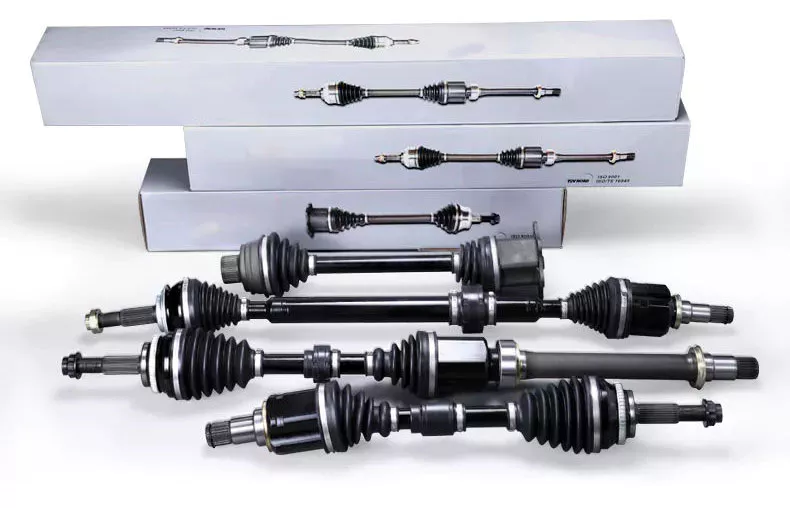
What maintenance practices are crucial for prolonging the lifespan of drive shafts?
To prolong the lifespan of drive shafts and ensure their optimal performance, several maintenance practices are crucial. Regular maintenance helps identify and address potential issues before they escalate, reduces wear and tear, and ensures the drive shaft operates smoothly and efficiently. Here are some essential maintenance practices for prolonging the lifespan of drive shafts:
1. Regular Inspection:
Performing regular inspections is vital for detecting any signs of wear, damage, or misalignment. Inspect the drive shaft visually, looking for cracks, dents, or any signs of excessive wear on the shaft itself and its associated components such as joints, yokes, and splines. Check for any signs of lubrication leaks or contamination. Additionally, inspect the fasteners and mounting points to ensure they are secure. Early detection of any issues allows for timely repairs or replacements, preventing further damage to the drive shaft.
2. Lubrication:
Proper lubrication is essential for the smooth operation and longevity of drive shafts. Lubricate the joints, such as universal joints or constant velocity joints, as recommended by the manufacturer. Lubrication reduces friction, minimizes wear, and helps dissipate heat generated during operation. Use the appropriate lubricant specified for the specific drive shaft and application, considering factors such as temperature, load, and operating conditions. Regularly check the lubrication levels and replenish as necessary to ensure optimal performance and prevent premature failure.
3. Balancing and Alignment:
Maintaining proper balancing and alignment is crucial for the lifespan of drive shafts. Imbalances or misalignments can lead to vibrations, accelerated wear, and potential failure. If vibrations or unusual noises are detected during operation, it is important to address them promptly. Perform balancing procedures as necessary, including dynamic balancing, to ensure even weight distribution along the drive shaft. Additionally, verify that the drive shaft is correctly aligned with the engine or power source and the driven components. Misalignment can cause excessive stress on the drive shaft, leading to premature failure.
4. Protective Coatings:
Applying protective coatings can help prolong the lifespan of drive shafts, particularly in applications exposed to harsh environments or corrosive substances. Consider using coatings such as zinc plating, powder coating, or specialized corrosion-resistant coatings to enhance the drive shaft’s resistance to corrosion, rust, and chemical damage. Regularly inspect the coating for any signs of degradation or damage, and reapply or repair as necessary to maintain the protective barrier.
5. Torque and Fastener Checks:
Ensure that the drive shaft’s fasteners, such as bolts, nuts, or clamps, are properly torqued and secured according to the manufacturer’s specifications. Loose or improperly tightened fasteners can lead to excessive vibrations, misalignment, or even detachment of the drive shaft. Periodically check and retighten the fasteners as recommended or after any maintenance or repair procedures. Additionally, monitor the torque levels during operation to ensure they remain within the specified range, as excessive torque can strain the drive shaft and lead to premature failure.
6. Environmental Protection:
Protecting the drive shaft from environmental factors can significantly extend its lifespan. In applications exposed to extreme temperatures, moisture, chemicals, or abrasive substances, take appropriate measures to shield the drive shaft. This may include using protective covers, seals, or guards to prevent contaminants from entering and causing damage. Regular cleaning of the drive shaft, especially in dirty or corrosive environments, can also help remove debris and prevent buildup that could compromise its performance and longevity.
7. Manufacturer Guidelines:
Follow the manufacturer’s guidelines and recommendations for maintenance practices specific to the drive shaft model and application. The manufacturer’s instructions may include specific intervals for inspections, lubrication, balancing, or other maintenance tasks. Adhering to these guidelines ensures that the drive shaft is properly maintained and serviced, maximizing its lifespan and minimizing the risk of unexpected failures.
By implementing these maintenance practices, drive shafts can operate reliably, maintain efficient power transmission, and have an extended service life, ultimately reducing downtime and ensuring optimal performance in various applications.

How do drive shafts contribute to the efficiency of vehicle propulsion and power transmission?
Drive shafts play a crucial role in the efficiency of vehicle propulsion and power transmission systems. They are responsible for transferring power from the engine or power source to the wheels or driven components. Here’s a detailed explanation of how drive shafts contribute to the efficiency of vehicle propulsion and power transmission:
1. Power Transfer:
Drive shafts transmit power from the engine or power source to the wheels or driven components. By efficiently transferring rotational energy, drive shafts enable the vehicle to move forward or drive the machinery. The design and construction of drive shafts ensure minimal power loss during the transfer process, maximizing the efficiency of power transmission.
2. Torque Conversion:
Drive shafts can convert torque from the engine or power source to the wheels or driven components. Torque conversion is necessary to match the power characteristics of the engine with the requirements of the vehicle or machinery. Drive shafts with appropriate torque conversion capabilities ensure that the power delivered to the wheels is optimized for efficient propulsion and performance.
3. Constant Velocity (CV) Joints:
Many drive shafts incorporate Constant Velocity (CV) joints, which help maintain a constant speed and efficient power transmission, even when the driving and driven components are at different angles. CV joints allow for smooth power transfer and minimize vibration or power losses that may occur due to changing operating angles. By maintaining constant velocity, drive shafts contribute to efficient power transmission and improved overall vehicle performance.
4. Lightweight Construction:
Efficient drive shafts are often designed with lightweight materials, such as aluminum or composite materials. Lightweight construction reduces the rotational mass of the drive shaft, which results in lower inertia and improved efficiency. Reduced rotational mass enables the engine to accelerate and decelerate more quickly, allowing for better fuel efficiency and overall vehicle performance.
5. Minimized Friction:
Efficient drive shafts are engineered to minimize frictional losses during power transmission. They incorporate features such as high-quality bearings, low-friction seals, and proper lubrication to reduce energy losses caused by friction. By minimizing friction, drive shafts enhance power transmission efficiency and maximize the available power for propulsion or operating other machinery.
6. Balanced and Vibration-Free Operation:
Drive shafts undergo dynamic balancing during the manufacturing process to ensure smooth and vibration-free operation. Imbalances in the drive shaft can lead to power losses, increased wear, and vibrations that reduce overall efficiency. By balancing the drive shaft, it can spin evenly, minimizing vibrations and optimizing power transmission efficiency.
7. Maintenance and Regular Inspection:
Proper maintenance and regular inspection of drive shafts are essential for maintaining their efficiency. Regular lubrication, inspection of joints and components, and prompt repair or replacement of worn or damaged parts help ensure optimal power transmission efficiency. Well-maintained drive shafts operate with minimal friction, reduced power losses, and improved overall efficiency.
8. Integration with Efficient Transmission Systems:
Drive shafts work in conjunction with efficient transmission systems, such as manual, automatic, or continuously variable transmissions. These transmissions help optimize power delivery and gear ratios based on driving conditions and vehicle speed. By integrating with efficient transmission systems, drive shafts contribute to the overall efficiency of the vehicle propulsion and power transmission system.
9. Aerodynamic Considerations:
In some cases, drive shafts are designed with aerodynamic considerations in mind. Streamlined drive shafts, often used in high-performance or electric vehicles, minimize drag and air resistance to improve overall vehicle efficiency. By reducing aerodynamic drag, drive shafts contribute to the efficient propulsion and power transmission of the vehicle.
10. Optimized Length and Design:
Drive shafts are designed to have optimal lengths and designs to minimize energy losses. Excessive drive shaft length or improper design can introduce additional rotational mass, increase bending stresses, and result in energy losses. By optimizing the length and design, drive shafts maximize power transmission efficiency and contribute to improved overall vehicle efficiency.
Overall, drive shafts contribute to the efficiency of vehicle propulsion and power transmission through effective power transfer, torque conversion, utilization of CV joints, lightweight construction, minimized friction, balanced operation, regular maintenance, integration with efficient transmission systems, aerodynamic considerations, and optimized length and design. By ensuring efficient power delivery and minimizing energy losses, drive shafts play a significant role in enhancing the overall efficiency and performance of vehicles and machinery.
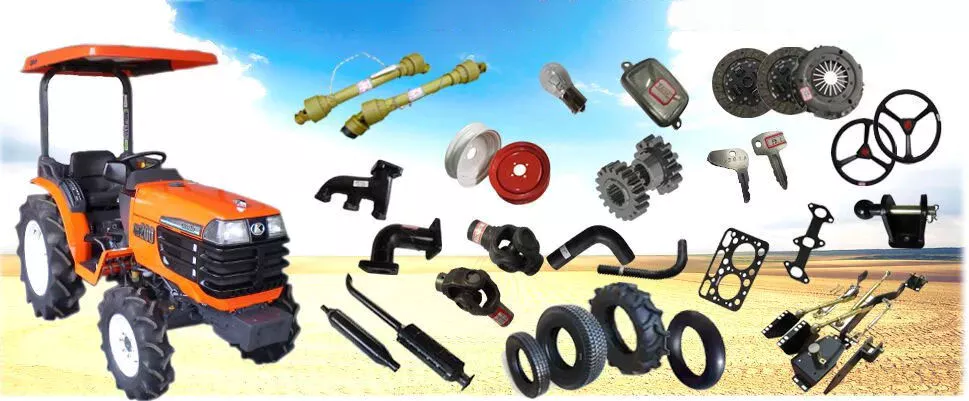
Gibt es Unterschiede in der Konstruktion der Antriebswelle für verschiedene Maschinentypen?
Ja, es gibt verschiedene Ausführungen von Antriebswellen, die auf die spezifischen Anforderungen unterschiedlicher Maschinentypen zugeschnitten sind. Die Konstruktion einer Antriebswelle wird von Faktoren wie Anwendung, Kraftübertragungsbedarf, Platzverhältnissen, Betriebsbedingungen und Art der angetriebenen Komponenten beeinflusst. Im Folgenden wird erläutert, wie sich Antriebswellen für verschiedene Maschinentypen unterscheiden können:
1. Anwendungen im Automobilbereich:
In der Automobilindustrie variieren die Konstruktionen von Antriebswellen je nach Fahrzeugkonfiguration. Fahrzeuge mit Hinterradantrieb verwenden typischerweise eine ein- oder zweiteilige Antriebswelle, die das Getriebe oder Verteilergetriebe mit dem Hinterachsdifferenzial verbindet. Fahrzeuge mit Vorderradantrieb nutzen häufig eine andere Konstruktion mit einer Antriebswelle, die in Kombination mit Gleichlaufgelenken (CV-Gelenken) die Kraft auf die Vorderräder überträgt. Fahrzeuge mit Allradantrieb können mehrere Antriebswellen besitzen, um die Kraft auf alle Räder zu verteilen. Länge, Durchmesser, Material und Gelenktypen können je nach Fahrzeugaufbau und Drehmomentanforderungen variieren.
2. Industriemaschinen:
Die Konstruktion von Antriebswellen für Industriemaschinen hängt von der jeweiligen Anwendung und den Anforderungen an die Kraftübertragung ab. In Fertigungsmaschinen wie Förderbändern, Pressen und rotierenden Anlagen sind Antriebswellen so ausgelegt, dass sie die Kraft effizient innerhalb der Maschine übertragen. Sie können flexible Gelenke aufweisen oder über eine Keilwellen- oder Passfederverbindung verfügen, um Fluchtungsfehler auszugleichen oder eine einfache Demontage zu ermöglichen. Die Abmessungen, Werkstoffe und die Verstärkung der Antriebswelle werden anhand des Drehmoments, der Drehzahl und der Betriebsbedingungen der Maschine ausgewählt.
3. Landwirtschaft und Ackerbau:
Landmaschinen wie Traktoren, Mähdrescher und Erntemaschinen benötigen häufig Antriebswellen, die hohen Drehmomenten und unterschiedlichen Betriebswinkeln standhalten. Diese Antriebswellen übertragen die Kraft vom Motor auf Anbaugeräte wie Mähwerke, Ballenpressen, Bodenfräsen und Erntemaschinen. Sie können teleskopierbare Abschnitte für variable Längen, flexible Gelenke zum Ausgleich von Fehlausrichtungen im Betrieb und Schutzvorrichtungen zum Schutz vor Verheddern mit Erntegut oder Fremdkörpern aufweisen.
4. Bau- und Schwermaschinen:
Baumaschinen und schwere Geräte wie Bagger, Lader, Planierraupen und Kräne benötigen robuste Antriebswellen, die auch unter anspruchsvollen Bedingungen Kraft übertragen können. Diese Antriebswellen weisen oft größere Durchmesser und dickere Wände auf, um hohen Drehmomenten standzuhalten. Sie können Kreuzgelenke oder Gleichlaufgelenke (CV-Gelenke) beinhalten, um Betriebswinkel zu ermöglichen und Stöße und Vibrationen zu absorbieren. Antriebswellen dieser Kategorie können zudem zusätzliche Verstärkungen aufweisen, um den rauen Umgebungsbedingungen und den hohen Belastungen im Bau- und Erdbau standzuhalten.
5. Anwendungen im maritimen Bereich:
Antriebswellen für Schiffsanwendungen sind speziell darauf ausgelegt, den korrosiven Einflüssen von Meerwasser und den hohen Drehmomentbelastungen in Schiffsantriebssystemen standzuhalten. Sie bestehen typischerweise aus Edelstahl oder anderen korrosionsbeständigen Werkstoffen. Flexible Kupplungen oder Dämpfungselemente reduzieren Vibrationen und minimieren die Auswirkungen von Fluchtungsfehlern. Bei der Konstruktion von Schiffsantriebswellen werden zudem Faktoren wie Wellenlänge, Durchmesser und Lager berücksichtigt, um eine zuverlässige Kraftübertragung in Schiffen zu gewährleisten.
6. Bergbau- und Gewinnungsausrüstung:
In der Bergbauindustrie werden Antriebswellen in schweren Maschinen und Geräten wie Muldenkippern, Baggern und Bohranlagen eingesetzt. Diese Antriebswellen müssen extrem hohen Drehmomenten und rauen Betriebsbedingungen standhalten. Antriebswellen für den Bergbau zeichnen sich häufig durch größere Durchmesser, dickere Wände und spezielle Werkstoffe wie legierten Stahl oder Verbundwerkstoffe aus. Sie können Kreuzgelenke oder Gleichlaufgelenke zur Bewältigung von Betriebswinkeln aufweisen und sind abrieb- und verschleißfest konstruiert.
Diese Beispiele verdeutlichen die Unterschiede in der Konstruktion von Antriebswellen für verschiedene Maschinentypen. Bei der Konstruktion werden Faktoren wie Leistungsbedarf, Betriebsbedingungen, Platzverhältnisse, Ausrichtungsanforderungen und die spezifischen Anforderungen der jeweiligen Maschine oder Branche berücksichtigt. Durch die Anpassung der Antriebswelle an die individuellen Anforderungen jeder Anwendung lassen sich optimale Kraftübertragungseffizienz und Zuverlässigkeit erzielen.


editor by CX 2024-02-16