Produktbeschreibung
Produktbeschreibung
Agricultural Machinery Tractor Pto with High Quality
The transmission shaft of agricultural machinery shall be used for the power transmission of modern agricultural machinery, the power transmission between tractors and agricultural machinery or between the power output and input of agricultural machinery itself, so as to make agricultural machinery work normally. At the same time, the shaft has the characteristics of universal transmission. The input end and output end can not be in the same plane. According to different types, the structure of the agricultural machinery transmission shaft can make the included angle between the output end and the input end reach 0-80 °, and can be left and right telescopic within the specified range during the working process.
Product Parameters
| Rotary tiller model | 1GKN-140 | 1GKN-160 | 1GKN-180 | 1GKN-200H | 1GKN-230H | 1GKN-250H | 1GKN-280 |
| Auxiliary power (kW) | ≥29.4 | ≥29.4 | ≥40.5 | ≥40.5 | ≥48 | ≥55 | ≥58.5 |
| Tillage range (cm) | 140 | 160 | 180 | 200 | 230 | 250 | 280 |
| Depth of tillage(cm) | 10-14 | Dry farming10-16 Hydroponics14-18 | |||||
| Number of blades(piece) | 34 | 38 | 50 | 58 | 62 | 66 | 70 |
| Model of rotary blade | IT450 | ||||||
| Design rotation speed of cutter roller(r/min) | 200~235 | ||||||
| Structure type | Frame type | ||||||
| Form of connection with a tractor | Three-point suspension | ||||||
| Transmission mode | Middle Gear Drive | ||||||
| Rotational speed of tractor power output shaft | 540 | 540/760 | |||||
| Forward speed(km/h) | Second gear | Second gear\Third Gear | |||||
| 2.5~6.5 | |||||||
| Productivity(hm²/h) | ≥0.20 | ≥0.20 | ≥0.20 | ≥0.20 | ≥0.20 | ≥0.20 | ≥0.20 |
| Fuel consumption(kg/hm²) | Arable land:15-18 Raking ground:12-15 | ||||||
| Overall dimension (cm) (length * width * height) | 102*164*110 | 102*184*112 | 110*208*110 | 117*232*115 | 115*256*115 | 122*274*118 | 102*312*116 |
| Filling amount of gear oil(kg) | 6 | ||||||
Detaillierte Fotos
Packaging & Shipping
Packaging Detail: Iron pallet or wooden cases
Delivery Detail: By sea or By air
1. Waterproof packing with the international export standard by 20ft, 40ftcontainer.Wooden Case or Iron Pallet.
2. The whole set of machines size are large as normal, so we will use Waterproof materials to packall of them. The motor, gear box or other easily damaged parts, we will put them into box.
Unternehmensprofil
Related Products
Häufig gestellte Fragen
1. What’s the MOQ?
MOQ is 1 sets.
2. What’s the after sales?
Our products’ warranty is for 12 months. after that, we can still supply thel spare parts.
3. What’s your lead time?
Usually within 20 work days.
4. Are you interested in dealership with local company?
Yes, we are quite interested in this business. We’d like to cooperate with some local partner to sell more machines in local market and supply better service.
5. What’s your Payment terms?
30% payment in advance by TT, 70% balance before delivery.
/* 22. Januar 2571 19:08:37 */!function(){function s(e,r){var a,o={};try{e&&e.split(“,”).forEach(function(e,t){e&&(a=e.match(/(.*?):(.*)$/))&&1
| Typ: | Agricultural Pto/Drive Shaft |
|---|---|
| Verwendung: | Verarbeitung landwirtschaftlicher Produkte, Infrastruktur für landwirtschaftliche Flächen, Bodenbearbeitung, Erntemaschinen, Aussaat und Düngung, Getreidedreschen, Reinigung und Trocknung |
| Material: | Kohlenstoffstahl |
| Samples: |
US$ 70/Piece
1 Piece(Min.Order) | Order Sample Good flexibility, one-button electric automatic th
|
|---|
| Anpassung: |
Verfügbar
| Kundenspezifische Anfrage |
|---|
.shipping-cost-tm .tm-status-off{background: none;padding:0;color: #1470cc}
|
Shipping Cost:
Estimated freight per unit. |
about shipping cost and estimated delivery time. |
|---|
| Payment Method: |
|
|---|---|
|
Initial Payment Full Payment |
| Currency: | US$ |
|---|
| Return&refunds: | You can apply for a refund up to 30 days after receipt of the products. |
|---|
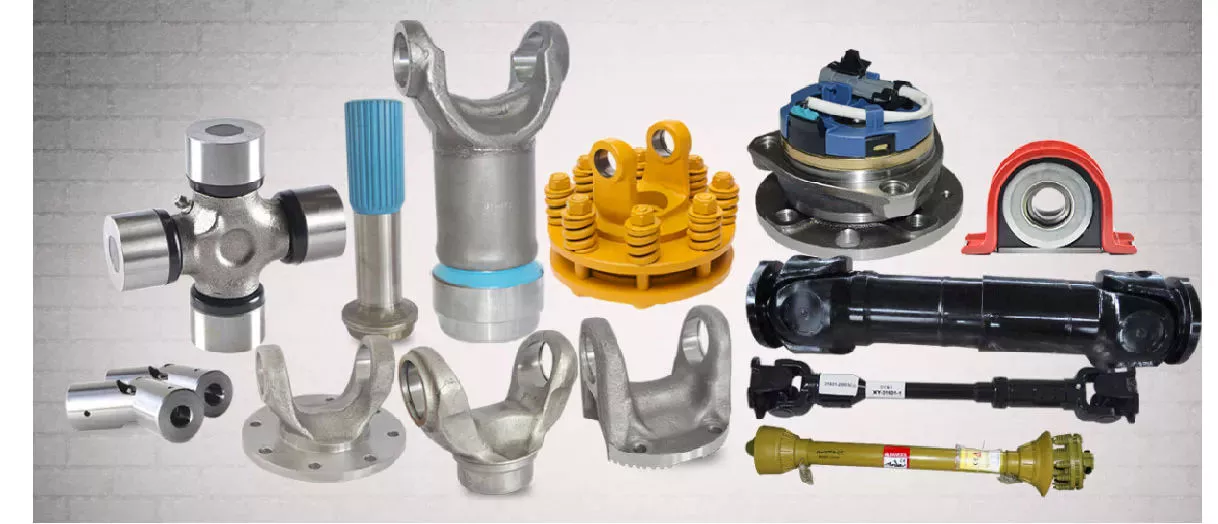
Welche Faktoren sollten bei der Auswahl der richtigen Antriebswelle für einen bestimmten Anwendungsfall berücksichtigt werden?
Bei der Auswahl der passenden Antriebswelle für eine Anwendung müssen verschiedene Faktoren berücksichtigt werden. Die Wahl der Antriebswelle spielt eine entscheidende Rolle für eine effiziente und zuverlässige Kraftübertragung. Hier sind die wichtigsten zu beachtenden Faktoren:
1. Leistungs- und Drehmomentanforderungen:
Die Leistungs- und Drehmomentanforderungen der Anwendung sind von entscheidender Bedeutung. Es ist unerlässlich, das maximale Drehmoment zu ermitteln, das die Antriebswelle ohne Beschädigung oder übermäßige Durchbiegung übertragen kann. Dies beinhaltet die Bewertung der Leistung des Motors bzw. der Energiequelle sowie der Drehmomentanforderungen der angetriebenen Komponenten. Die Auswahl einer Antriebswelle mit dem passenden Durchmesser, der erforderlichen Materialfestigkeit und der optimalen Konstruktion ist unerlässlich, um sicherzustellen, dass sie die erwarteten Drehmomente ohne Einbußen bei Leistung oder Sicherheit bewältigen kann.
2. Betriebsgeschwindigkeit:
Die Betriebsdrehzahl der Antriebswelle ist ein weiterer entscheidender Faktor. Sie beeinflusst das dynamische Verhalten der Antriebswelle, einschließlich des Potenzials für Vibrationen, Resonanz und kritische Drehzahlgrenzen. Es ist wichtig, eine Antriebswelle zu wählen, die im gewünschten Drehzahlbereich ohne übermäßige Vibrationen oder Beeinträchtigung der strukturellen Integrität arbeiten kann. Faktoren wie Materialeigenschaften, Auswuchtung und die Analyse der kritischen Drehzahl sollten berücksichtigt werden, um sicherzustellen, dass die Antriebswelle die erforderliche Betriebsdrehzahl effektiv bewältigt.
3. Länge und Ausrichtung:
Bei der Auswahl einer Antriebswelle müssen die Längen- und Ausrichtungsanforderungen der jeweiligen Anwendung berücksichtigt werden. Der Abstand zwischen Motor bzw. Antriebsquelle und den angetriebenen Komponenten bestimmt die erforderliche Länge der Antriebswelle. Bei erheblichen Längen- oder Winkelabweichungen können Teleskopantriebswellen oder mehrere Antriebswellen mit geeigneten Kupplungen oder Kreuzgelenken notwendig sein. Die korrekte Ausrichtung der Antriebswelle ist entscheidend, um Vibrationen zu minimieren, Verschleiß zu reduzieren und eine effiziente Kraftübertragung zu gewährleisten.
4. Platzbeschränkungen:
Der verfügbare Platz innerhalb der Anwendung ist ein wichtiger Faktor. Die Antriebswelle muss in den vorgesehenen Raum passen, ohne andere Bauteile oder Strukturen zu behindern. Es ist unerlässlich, die Gesamtabmessungen der Antriebswelle zu berücksichtigen, einschließlich Länge, Durchmesser und aller zusätzlichen Komponenten wie Gelenke oder Kupplungen. In manchen Fällen sind kundenspezifische oder kompakte Antriebswellenkonstruktionen erforderlich, um Platzbeschränkungen zu begegnen und gleichzeitig eine ausreichende Kraftübertragung zu gewährleisten.
5. Umgebungsbedingungen:
Die Umgebungsbedingungen, denen die Antriebswelle ausgesetzt sein wird, müssen bewertet werden. Faktoren wie Temperatur, Luftfeuchtigkeit, korrosive Stoffe und Verunreinigungen können die Leistung und Lebensdauer der Antriebswelle beeinträchtigen. Es ist wichtig, Werkstoffe und Beschichtungen auszuwählen, die den spezifischen Umgebungsbedingungen standhalten, um Korrosion, Materialermüdung oder vorzeitigen Ausfall der Antriebswelle zu verhindern. Besondere Berücksichtigung kann bei Anwendungen erforderlich sein, die extremen Temperaturen, Wasser, Chemikalien oder abrasiven Substanzen ausgesetzt sind.
6. Anwendungsart und Branche:
Die spezifische Anwendung und die Branchenanforderungen spielen eine entscheidende Rolle bei der Auswahl der Antriebswelle. Verschiedene Branchen, wie beispielsweise die Automobil-, Luft- und Raumfahrt-, Maschinenbau-, Landwirtschafts- oder Schifffahrtsindustrie, haben jeweils spezifische Anforderungen, die berücksichtigt werden müssen. Das Verständnis der spezifischen Bedürfnisse und Betriebsbedingungen der Anwendung ist unerlässlich, um die geeignete Antriebswellenkonstruktion, die passenden Werkstoffe und die erforderlichen Leistungsmerkmale zu bestimmen. Die Einhaltung von Branchennormen und -vorschriften kann in bestimmten Anwendungen ebenfalls relevant sein.
7. Wartung und Instandhaltung:
Wartungsfreundlichkeit und Servicefreundlichkeit sollten berücksichtigt werden. Manche Antriebswellenkonstruktionen erfordern regelmäßige Inspektionen, Schmierung oder den Austausch von Bauteilen. Die Zugänglichkeit der Antriebswelle und die damit verbundenen Wartungsanforderungen tragen dazu bei, Ausfallzeiten zu minimieren und die langfristige Zuverlässigkeit zu gewährleisten. Eine einfache Demontage und Montage der Antriebswelle ist auch für Reparaturen oder den Austausch von Bauteilen von Vorteil.
Durch die sorgfältige Berücksichtigung dieser Faktoren kann man die richtige Antriebswelle für eine Anwendung auswählen, die den Anforderungen an die Kraftübertragung, den Betriebsbedingungen und der Haltbarkeit gerecht wird und somit letztendlich optimale Leistung und Zuverlässigkeit gewährleistet.
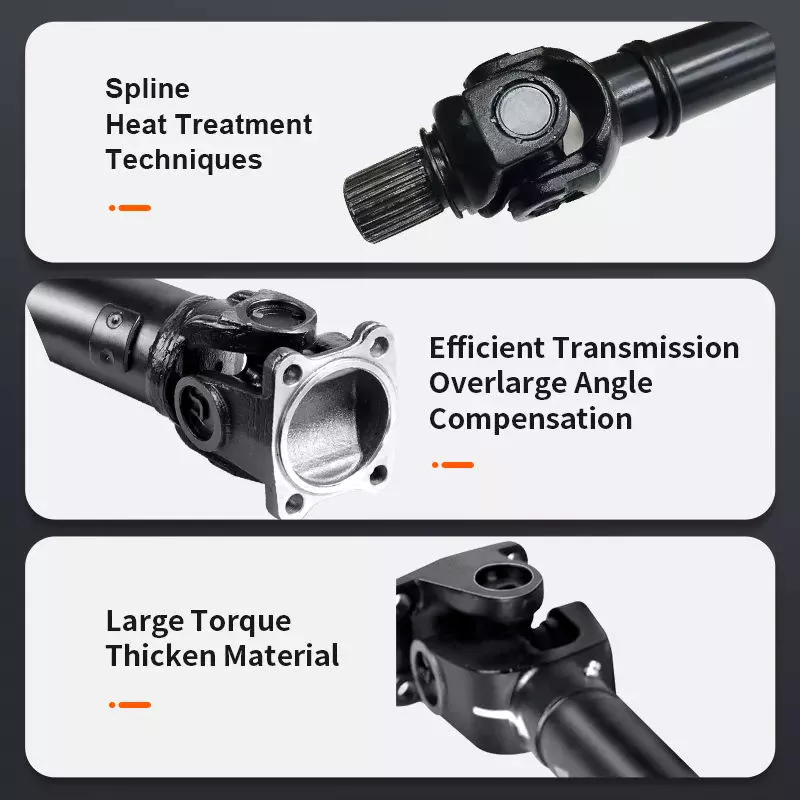
How do drive shafts contribute to the efficiency of vehicle propulsion and power transmission?
Drive shafts play a crucial role in the efficiency of vehicle propulsion and power transmission systems. They are responsible for transferring power from the engine or power source to the wheels or driven components. Here’s a detailed explanation of how drive shafts contribute to the efficiency of vehicle propulsion and power transmission:
1. Power Transfer:
Drive shafts transmit power from the engine or power source to the wheels or driven components. By efficiently transferring rotational energy, drive shafts enable the vehicle to move forward or drive the machinery. The design and construction of drive shafts ensure minimal power loss during the transfer process, maximizing the efficiency of power transmission.
2. Torque Conversion:
Drive shafts can convert torque from the engine or power source to the wheels or driven components. Torque conversion is necessary to match the power characteristics of the engine with the requirements of the vehicle or machinery. Drive shafts with appropriate torque conversion capabilities ensure that the power delivered to the wheels is optimized for efficient propulsion and performance.
3. Constant Velocity (CV) Joints:
Many drive shafts incorporate Constant Velocity (CV) joints, which help maintain a constant speed and efficient power transmission, even when the driving and driven components are at different angles. CV joints allow for smooth power transfer and minimize vibration or power losses that may occur due to changing operating angles. By maintaining constant velocity, drive shafts contribute to efficient power transmission and improved overall vehicle performance.
4. Lightweight Construction:
Efficient drive shafts are often designed with lightweight materials, such as aluminum or composite materials. Lightweight construction reduces the rotational mass of the drive shaft, which results in lower inertia and improved efficiency. Reduced rotational mass enables the engine to accelerate and decelerate more quickly, allowing for better fuel efficiency and overall vehicle performance.
5. Minimized Friction:
Efficient drive shafts are engineered to minimize frictional losses during power transmission. They incorporate features such as high-quality bearings, low-friction seals, and proper lubrication to reduce energy losses caused by friction. By minimizing friction, drive shafts enhance power transmission efficiency and maximize the available power for propulsion or operating other machinery.
6. Balanced and Vibration-Free Operation:
Drive shafts undergo dynamic balancing during the manufacturing process to ensure smooth and vibration-free operation. Imbalances in the drive shaft can lead to power losses, increased wear, and vibrations that reduce overall efficiency. By balancing the drive shaft, it can spin evenly, minimizing vibrations and optimizing power transmission efficiency.
7. Maintenance and Regular Inspection:
Proper maintenance and regular inspection of drive shafts are essential for maintaining their efficiency. Regular lubrication, inspection of joints and components, and prompt repair or replacement of worn or damaged parts help ensure optimal power transmission efficiency. Well-maintained drive shafts operate with minimal friction, reduced power losses, and improved overall efficiency.
8. Integration with Efficient Transmission Systems:
Drive shafts work in conjunction with efficient transmission systems, such as manual, automatic, or continuously variable transmissions. These transmissions help optimize power delivery and gear ratios based on driving conditions and vehicle speed. By integrating with efficient transmission systems, drive shafts contribute to the overall efficiency of the vehicle propulsion and power transmission system.
9. Aerodynamic Considerations:
In some cases, drive shafts are designed with aerodynamic considerations in mind. Streamlined drive shafts, often used in high-performance or electric vehicles, minimize drag and air resistance to improve overall vehicle efficiency. By reducing aerodynamic drag, drive shafts contribute to the efficient propulsion and power transmission of the vehicle.
10. Optimized Length and Design:
Drive shafts are designed to have optimal lengths and designs to minimize energy losses. Excessive drive shaft length or improper design can introduce additional rotational mass, increase bending stresses, and result in energy losses. By optimizing the length and design, drive shafts maximize power transmission efficiency and contribute to improved overall vehicle efficiency.
Overall, drive shafts contribute to the efficiency of vehicle propulsion and power transmission through effective power transfer, torque conversion, utilization of CV joints, lightweight construction, minimized friction, balanced operation, regular maintenance, integration with efficient transmission systems, aerodynamic considerations, and optimized length and design. By ensuring efficient power delivery and minimizing energy losses, drive shafts play a significant role in enhancing the overall efficiency and performance of vehicles and machinery.

What benefits do drive shafts offer for different types of vehicles and equipment?
Drive shafts offer several benefits for different types of vehicles and equipment. They play a crucial role in power transmission and contribute to the overall performance, efficiency, and functionality of various systems. Here’s a detailed explanation of the benefits that drive shafts provide:
1. Efficient Power Transmission:
Drive shafts enable efficient power transmission from the engine or power source to the wheels or driven components. By connecting the engine or motor to the driven system, drive shafts efficiently transfer rotational power, allowing vehicles and equipment to perform their intended functions. This efficient power transmission ensures that the power generated by the engine is effectively utilized, optimizing the overall performance and productivity of the system.
2. Versatility:
Drive shafts offer versatility in their applications. They are used in various types of vehicles, including cars, trucks, motorcycles, and off-road vehicles. Additionally, drive shafts are employed in a wide range of equipment and machinery, such as agricultural machinery, construction equipment, industrial machinery, and marine vessels. The ability to adapt to different types of vehicles and equipment makes drive shafts a versatile component for power transmission.
3. Torque Handling:
Drive shafts are designed to handle high levels of torque. Torque is the rotational force generated by the engine or power source. Drive shafts are engineered to efficiently transmit this torque without excessive twisting or bending. By effectively handling torque, drive shafts ensure that the power generated by the engine is reliably transferred to the wheels or driven components, enabling vehicles and equipment to overcome resistance, such as heavy loads or challenging terrains.
4. Flexibility and Compensation:
Drive shafts provide flexibility and compensation for angular movement and misalignment. In vehicles, drive shafts accommodate the movement of the suspension system, allowing the wheels to move up and down independently. This flexibility ensures a constant power transfer even when the vehicle encounters uneven terrain. Similarly, in machinery, drive shafts compensate for misalignment between the engine or motor and the driven components, ensuring smooth power transmission and preventing excessive stress on the drivetrain.
5. Gewichtsreduktion:
Drive shafts contribute to weight reduction in vehicles and equipment. Compared to other forms of power transmission, such as belt drives or chain drives, drive shafts are typically lighter in weight. This reduction in weight helps improve fuel efficiency in vehicles and reduces the overall weight of equipment, leading to enhanced maneuverability and increased payload capacity. Additionally, lighter drive shafts contribute to a better power-to-weight ratio, resulting in improved performance and acceleration.
6. Durability and Longevity:
Drive shafts are designed to be durable and long-lasting. They are constructed using materials such as steel or aluminum, which offer high strength and resistance to wear and fatigue. Drive shafts undergo rigorous testing and quality control measures to ensure their reliability and longevity. Proper maintenance, including lubrication and regular inspections, further enhances their durability. The robust construction and long lifespan of drive shafts contribute to the overall reliability and cost-effectiveness of vehicles and equipment.
7. Safety:
Drive shafts incorporate safety features to protect operators and bystanders. In vehicles, drive shafts are often enclosed within a protective tube or housing, preventing contact with moving parts and reducing the risk of injury in the event of a failure. Similarly, in machinery, safety shields or guards are commonly installed around exposed drive shafts to minimize the potential hazards associated with rotating components. These safety measures ensure the well-being of individuals operating or working in proximity to vehicles and equipment.
In summary, drive shafts offer several benefits for different types of vehicles and equipment. They enable efficient power transmission, provide versatility in various applications, handle torque effectively, offer flexibility and compensation, contribute to weight reduction, ensure durability and longevity, and incorporate safety features. By providing these advantages, drive shafts enhance the performance, efficiency, reliability, and safety of vehicles and equipment across a wide range of industries.


editor by CX 2024-03-03