Opis izdelka
Opis izdelka
Agricultural Machinery Tractor Pto with High Quality
The transmission shaft of agricultural machinery shall be used for the power transmission of modern agricultural machinery, the power transmission between tractors and agricultural machinery or between the power output and input of agricultural machinery itself, so as to make agricultural machinery work normally. At the same time, the shaft has the characteristics of universal transmission. The input end and output end can not be in the same plane. According to different types, the structure of the agricultural machinery transmission shaft can make the included angle between the output end and the input end reach 0-80 °, and can be left and right telescopic within the specified range during the working process.
Product Parameters
| Rotary tiller model | 1GKN-140 | 1GKN-160 | 1GKN-180 | 1GKN-200H | 1GKN-230H | 1GKN-250H | 1GKN-280 |
| Auxiliary power (kW) | ≥29.4 | ≥29.4 | ≥40.5 | ≥40.5 | ≥48 | ≥55 | ≥58.5 |
| Tillage range (cm) | 140 | 160 | 180 | 200 | 230 | 250 | 280 |
| Depth of tillage(cm) | 10-14 | Dry farming10-16 Hydroponics14-18 | |||||
| Number of blades(piece) | 34 | 38 | 50 | 58 | 62 | 66 | 70 |
| Model of rotary blade | IT450 | ||||||
| Design rotation speed of cutter roller(r/min) | 200~235 | ||||||
| Structure type | Frame type | ||||||
| Form of connection with a tractor | Three-point suspension | ||||||
| Transmission mode | Middle Gear Drive | ||||||
| Rotational speed of tractor power output shaft | 540 | 540/760 | |||||
| Forward speed(km/h) | Second gear | Second gear\Third Gear | |||||
| 2.5~6.5 | |||||||
| Productivity(hm²/h) | ≥0.20 | ≥0.20 | ≥0.20 | ≥0.20 | ≥0.20 | ≥0.20 | ≥0.20 |
| Fuel consumption(kg/hm²) | Arable land:15-18 Raking ground:12-15 | ||||||
| Overall dimension (cm) (length * width * height) | 102*164*110 | 102*184*112 | 110*208*110 | 117*232*115 | 115*256*115 | 122*274*118 | 102*312*116 |
| Filling amount of gear oil(kg) | 6 | ||||||
Podrobne fotografije
Packaging & Shipping
Packaging Detail: Iron pallet or wooden cases
Delivery Detail: By sea or By air
1. Waterproof packing with the international export standard by 20ft, 40ftcontainer.Wooden Case or Iron Pallet.
2. The whole set of machines size are large as normal, so we will use Waterproof materials to packall of them. The motor, gear box or other easily damaged parts, we will put them into box.
Profil podjetja
Related Products
Pogosta vprašanja
1. What’s the MOQ?
MOQ is 1 sets.
2. What’s the after sales?
Our products’ warranty is for 12 months. after that, we can still supply thel spare parts.
3. What’s your lead time?
Usually within 20 work days.
4. Are you interested in dealership with local company?
Yes, we are quite interested in this business. We’d like to cooperate with some local partner to sell more machines in local market and supply better service.
5. What’s your Payment terms?
30% payment in advance by TT, 70% balance before delivery.
/* 22. januar 2571 19:08:37 */!function(){function s(e,r){var a,o={};try{e&&e.split(“,”).forEach(function(e,t){e&&(a=e.match(/(.*?):(.*)$/))&&1
| Type: | Agricultural Pto/Drive Shaft |
|---|---|
| Usage: | Agricultural Products Processing, Farmland Infrastructure, Tillage, Harvester, Planting and Fertilization, Grain Threshing, Cleaning and Drying |
| Material: | Ogljikovo jeklo |
| Vzorci: |
US$ 70/Piece
1 Piece(Min.Order) | Order Sample Good flexibility, one-button electric automatic th
|
|---|
| Prilagoditev: |
Na voljo
| Prilagojena zahteva |
|---|
.shipping-cost-tm .tm-status-off{background: none;padding:0;color: #1470cc}
|
Shipping Cost:
Estimated freight per unit. |
about shipping cost and estimated delivery time. |
|---|
| Payment Method: |
|
|---|---|
|
Initial Payment Full Payment |
| Currency: | US$ |
|---|
| Return&refunds: | You can apply for a refund up to 30 days after receipt of the products. |
|---|
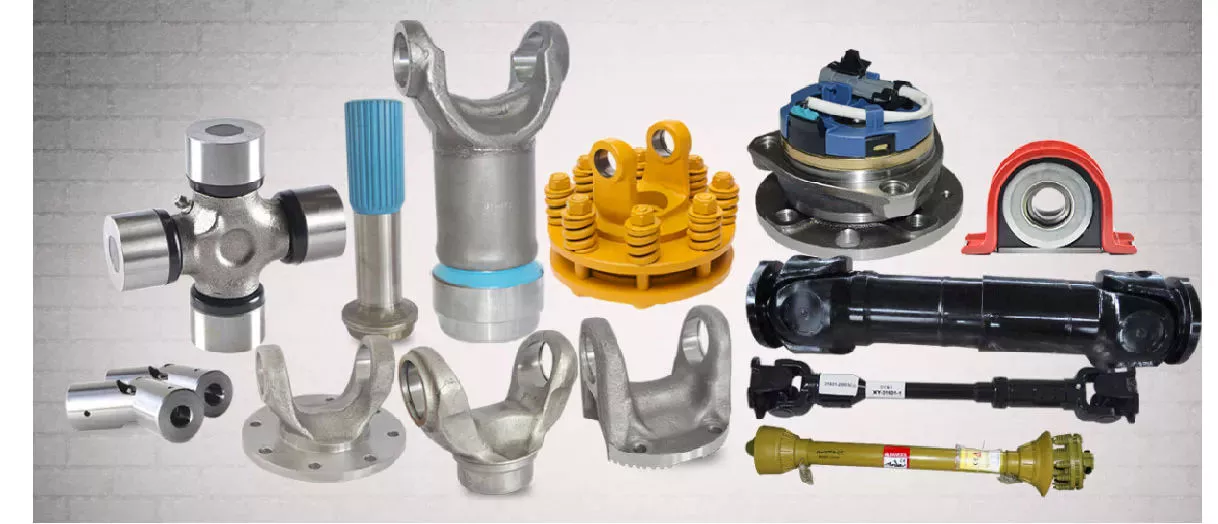
What factors should be considered when selecting the right drive shaft for an application?
When selecting the right drive shaft for an application, several factors need to be considered. The choice of drive shaft plays a crucial role in ensuring efficient and reliable power transmission. Here are the key factors to consider:
1. Power and Torque Requirements:
The power and torque requirements of the application are essential considerations. It is crucial to determine the maximum torque that the drive shaft will need to transmit without failure or excessive deflection. This includes evaluating the power output of the engine or power source, as well as the torque demands of the driven components. Selecting a drive shaft with the appropriate diameter, material strength, and design is essential to ensure it can handle the expected torque levels without compromising performance or safety.
2. Operating Speed:
The operating speed of the drive shaft is another critical factor. The rotational speed affects the dynamic behavior of the drive shaft, including the potential for vibration, resonance, and critical speed limitations. It is important to choose a drive shaft that can operate within the desired speed range without encountering excessive vibrations or compromising the structural integrity. Factors such as the material properties, balance, and critical speed analysis should be considered to ensure the drive shaft can handle the required operating speed effectively.
3. Length and Alignment:
The length and alignment requirements of the application must be considered when selecting a drive shaft. The distance between the engine or power source and the driven components determines the required length of the drive shaft. In situations where there are significant variations in length or operating angles, telescopic drive shafts or multiple drive shafts with appropriate couplings or universal joints may be necessary. Proper alignment of the drive shaft is crucial to minimize vibrations, reduce wear and tear, and ensure efficient power transmission.
4. Space Limitations:
The available space within the application is an important factor to consider. The drive shaft must fit within the allocated space without interfering with other components or structures. It is essential to consider the overall dimensions of the drive shaft, including length, diameter, and any additional components such as joints or couplings. In some cases, custom or compact drive shaft designs may be required to accommodate space limitations while maintaining adequate power transmission capabilities.
5. Environmental Conditions:
The environmental conditions in which the drive shaft will operate should be evaluated. Factors such as temperature, humidity, corrosive agents, and exposure to contaminants can impact the performance and lifespan of the drive shaft. It is important to select materials and coatings that can withstand the specific environmental conditions to prevent corrosion, degradation, or premature failure of the drive shaft. Special considerations may be necessary for applications exposed to extreme temperatures, water, chemicals, or abrasive substances.
6. Application Type and Industry:
The specific application type and industry requirements play a significant role in drive shaft selection. Different industries, such as automotive, aerospace, industrial machinery, agriculture, or marine, have unique demands that need to be addressed. Understanding the specific needs and operating conditions of the application is crucial in determining the appropriate drive shaft design, materials, and performance characteristics. Compliance with industry standards and regulations may also be a consideration in certain applications.
7. Maintenance and Serviceability:
The ease of maintenance and serviceability should be taken into account. Some drive shaft designs may require periodic inspection, lubrication, or replacement of components. Considering the accessibility of the drive shaft and associated maintenance requirements can help minimize downtime and ensure long-term reliability. Easy disassembly and reassembly of the drive shaft can also be beneficial for repair or component replacement.
By carefully considering these factors, one can select the right drive shaft for an application that meets the power transmission needs, operating conditions, and durability requirements, ultimately ensuring optimal performance and reliability.

Kako pogonske gredi prispevajo k učinkovitosti pogona vozila in prenosa moči?
Kardanske gredi igrajo ključno vlogo pri učinkovitosti pogona in prenosa moči vozila. Odgovorne so za prenos moči iz motorja ali vira energije na kolesa ali gnane komponente. Tukaj je podrobna razlaga, kako kardanske gredi prispevajo k učinkovitosti pogona vozila in prenosa moči:
1. Prenos moči:
Kardanske gredi prenašajo moč iz motorja ali vira energije na kolesa ali gnane komponente. Z učinkovitim prenosom rotacijske energije kardanske gredi omogočajo premikanje vozila naprej ali pogon strojev. Zasnova in konstrukcija kardanskih gredi zagotavljata minimalno izgubo moči med prenosom, kar maksimizira učinkovitost prenosa moči.
2. Pretvorba navora:
Kardanske gredi lahko pretvarjajo navor iz motorja ali vira energije na kolesa ali gnane komponente. Pretvorba navora je potrebna za uskladitev močnostnih značilnosti motorja z zahtevami vozila ali stroja. Kardanske gredi z ustreznimi zmogljivostmi pretvorbe navora zagotavljajo, da je moč, ki se prenaša na kolesa, optimizirana za učinkovit pogon in zmogljivost.
3. Zglobi s konstantno hitrostjo (CV):
Številne pogonske gredi imajo vgrajene zglobe s konstantno hitrostjo (CV), ki pomagajo ohranjati konstantno hitrost in učinkovit prenos moči, tudi ko sta pogonski in gnani deli pod različnimi koti. CV zglobi omogočajo nemoten prenos moči in zmanjšujejo vibracije ali izgube moči, ki se lahko pojavijo zaradi spreminjanja kotov delovanja. Z ohranjanjem konstantne hitrosti pogonske gredi prispevajo k učinkovitemu prenosu moči in izboljšani splošni zmogljivosti vozila.
4. Lahka konstrukcija:
Učinkovite pogonske gredi so pogosto zasnovane iz lahkih materialov, kot so aluminij ali kompozitni materiali. Lahka konstrukcija zmanjša rotacijsko maso pogonske gredi, kar ima za posledico manjšo vztrajnost in izboljšano učinkovitost. Zmanjšana rotacijska masa omogoča motorju hitrejše pospeševanje in zaviranje, kar omogoča boljšo porabo goriva in splošno zmogljivost vozila.
5. Zmanjšano trenje:
Učinkovite pogonske gredi so zasnovane tako, da zmanjšajo izgube zaradi trenja med prenosom moči. Vključujejo funkcije, kot so visokokakovostni ležaji, tesnila z nizkim trenjem in ustrezno mazanje za zmanjšanje izgub energije zaradi trenja. Z zmanjšanjem trenja pogonske gredi povečajo učinkovitost prenosa moči in maksimizirajo razpoložljivo moč za pogon ali delovanje drugih strojev.
6. Uravnoteženo delovanje brez vibracij:
Kardanske gredi so med proizvodnim procesom dinamično uravnotežene, da se zagotovi nemoteno delovanje brez vibracij. Neravnovesja v kardanski gredi lahko povzročijo izgube moči, povečano obrabo in vibracije, ki zmanjšajo splošno učinkovitost. Z uravnoteženjem kardanske gredi se lahko enakomerno vrti, kar zmanjša vibracije in optimizira učinkovitost prenosa moči.
7. Vzdrževanje in redni pregledi:
Pravilno vzdrževanje in redni pregledi pogonskih gredi so bistveni za ohranjanje njihove učinkovitosti. Redno mazanje, pregled spojev in komponent ter pravočasno popravilo ali zamenjava obrabljenih ali poškodovanih delov pomagajo zagotoviti optimalno učinkovitost prenosa moči. Dobro vzdrževane pogonske gredi delujejo z minimalnim trenjem, zmanjšanimi izgubami moči in izboljšano splošno učinkovitostjo.
8. Integracija z učinkovitimi prenosnimi sistemi:
Kardanske gredi delujejo v povezavi z učinkovitimi menjalniki, kot so ročni, avtomatski ali brezstopenjski menjalniki. Ti menjalniki pomagajo optimizirati prenos moči in prestavna razmerja glede na vozne pogoje in hitrost vozila. Z integracijo z učinkovitimi menjalniki kardanske gredi prispevajo k splošni učinkovitosti pogonskega sistema vozila in sistema za prenos moči.
9. Aerodinamični vidiki:
V nekaterih primerih so pogonske gredi zasnovane z upoštevanjem aerodinamičnih vidikov. Poenostavljene pogonske gredi, ki se pogosto uporabljajo v visokozmogljivih ali električnih vozilih, zmanjšujejo upor in zračni upor ter tako izboljšajo splošno učinkovitost vozila. Z zmanjšanjem aerodinamičnega upora pogonske gredi prispevajo k učinkovitemu pogonu in prenosu moči vozila.
10. Optimizirana dolžina in oblika:
Kardanske gredi so zasnovane tako, da imajo optimalne dolžine in zasnove, da se čim bolj zmanjšajo izgube energije. Prevelika dolžina kardanske gredi ali nepravilna zasnova lahko povzroči dodatno rotacijsko maso, poveča upogibne napetosti in povzroči izgube energije. Z optimizacijo dolžine in zasnove kardanske gredi povečajo učinkovitost prenosa moči in prispevajo k izboljšani splošni učinkovitosti vozila.
Na splošno kardanske gredi prispevajo k učinkovitosti pogona vozila in prenosa moči z učinkovitim prenosom moči, pretvorbo navora, izkoriščanjem homokinetičnih zglobov, lahko konstrukcijo, zmanjšanim trenjem, uravnoteženim delovanjem, rednim vzdrževanjem, integracijo z učinkovitimi prenosnimi sistemi, aerodinamičnimi vidiki ter optimizirano dolžino in zasnovo. Z zagotavljanjem učinkovitega prenosa moči in zmanjšanjem izgub energije imajo kardanske gredi pomembno vlogo pri izboljšanju splošne učinkovitosti in zmogljivosti vozil in strojev.

What benefits do drive shafts offer for different types of vehicles and equipment?
Drive shafts offer several benefits for different types of vehicles and equipment. They play a crucial role in power transmission and contribute to the overall performance, efficiency, and functionality of various systems. Here’s a detailed explanation of the benefits that drive shafts provide:
1. Efficient Power Transmission:
Drive shafts enable efficient power transmission from the engine or power source to the wheels or driven components. By connecting the engine or motor to the driven system, drive shafts efficiently transfer rotational power, allowing vehicles and equipment to perform their intended functions. This efficient power transmission ensures that the power generated by the engine is effectively utilized, optimizing the overall performance and productivity of the system.
2. Versatility:
Drive shafts offer versatility in their applications. They are used in various types of vehicles, including cars, trucks, motorcycles, and off-road vehicles. Additionally, drive shafts are employed in a wide range of equipment and machinery, such as agricultural machinery, construction equipment, industrial machinery, and marine vessels. The ability to adapt to different types of vehicles and equipment makes drive shafts a versatile component for power transmission.
3. Torque Handling:
Drive shafts are designed to handle high levels of torque. Torque is the rotational force generated by the engine or power source. Drive shafts are engineered to efficiently transmit this torque without excessive twisting or bending. By effectively handling torque, drive shafts ensure that the power generated by the engine is reliably transferred to the wheels or driven components, enabling vehicles and equipment to overcome resistance, such as heavy loads or challenging terrains.
4. Flexibility and Compensation:
Drive shafts provide flexibility and compensation for angular movement and misalignment. In vehicles, drive shafts accommodate the movement of the suspension system, allowing the wheels to move up and down independently. This flexibility ensures a constant power transfer even when the vehicle encounters uneven terrain. Similarly, in machinery, drive shafts compensate for misalignment between the engine or motor and the driven components, ensuring smooth power transmission and preventing excessive stress on the drivetrain.
5. Zmanjšanje telesne teže:
Drive shafts contribute to weight reduction in vehicles and equipment. Compared to other forms of power transmission, such as belt drives or chain drives, drive shafts are typically lighter in weight. This reduction in weight helps improve fuel efficiency in vehicles and reduces the overall weight of equipment, leading to enhanced maneuverability and increased payload capacity. Additionally, lighter drive shafts contribute to a better power-to-weight ratio, resulting in improved performance and acceleration.
6. Durability and Longevity:
Drive shafts are designed to be durable and long-lasting. They are constructed using materials such as steel or aluminum, which offer high strength and resistance to wear and fatigue. Drive shafts undergo rigorous testing and quality control measures to ensure their reliability and longevity. Proper maintenance, including lubrication and regular inspections, further enhances their durability. The robust construction and long lifespan of drive shafts contribute to the overall reliability and cost-effectiveness of vehicles and equipment.
7. Safety:
Drive shafts incorporate safety features to protect operators and bystanders. In vehicles, drive shafts are often enclosed within a protective tube or housing, preventing contact with moving parts and reducing the risk of injury in the event of a failure. Similarly, in machinery, safety shields or guards are commonly installed around exposed drive shafts to minimize the potential hazards associated with rotating components. These safety measures ensure the well-being of individuals operating or working in proximity to vehicles and equipment.
In summary, drive shafts offer several benefits for different types of vehicles and equipment. They enable efficient power transmission, provide versatility in various applications, handle torque effectively, offer flexibility and compensation, contribute to weight reduction, ensure durability and longevity, and incorporate safety features. By providing these advantages, drive shafts enhance the performance, efficiency, reliability, and safety of vehicles and equipment across a wide range of industries.


editor by CX 2024-03-03